
Last updated November 2, 2026
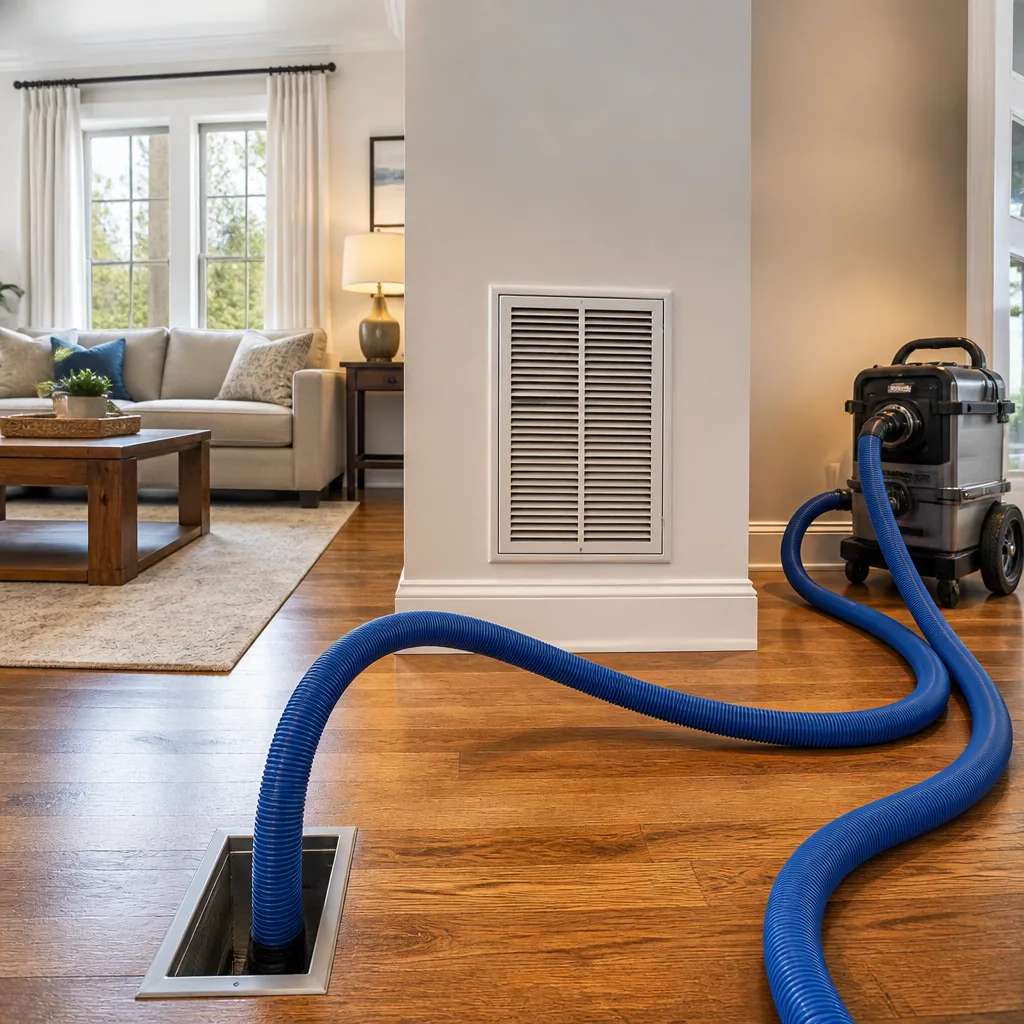 Whole-home duct cleaning
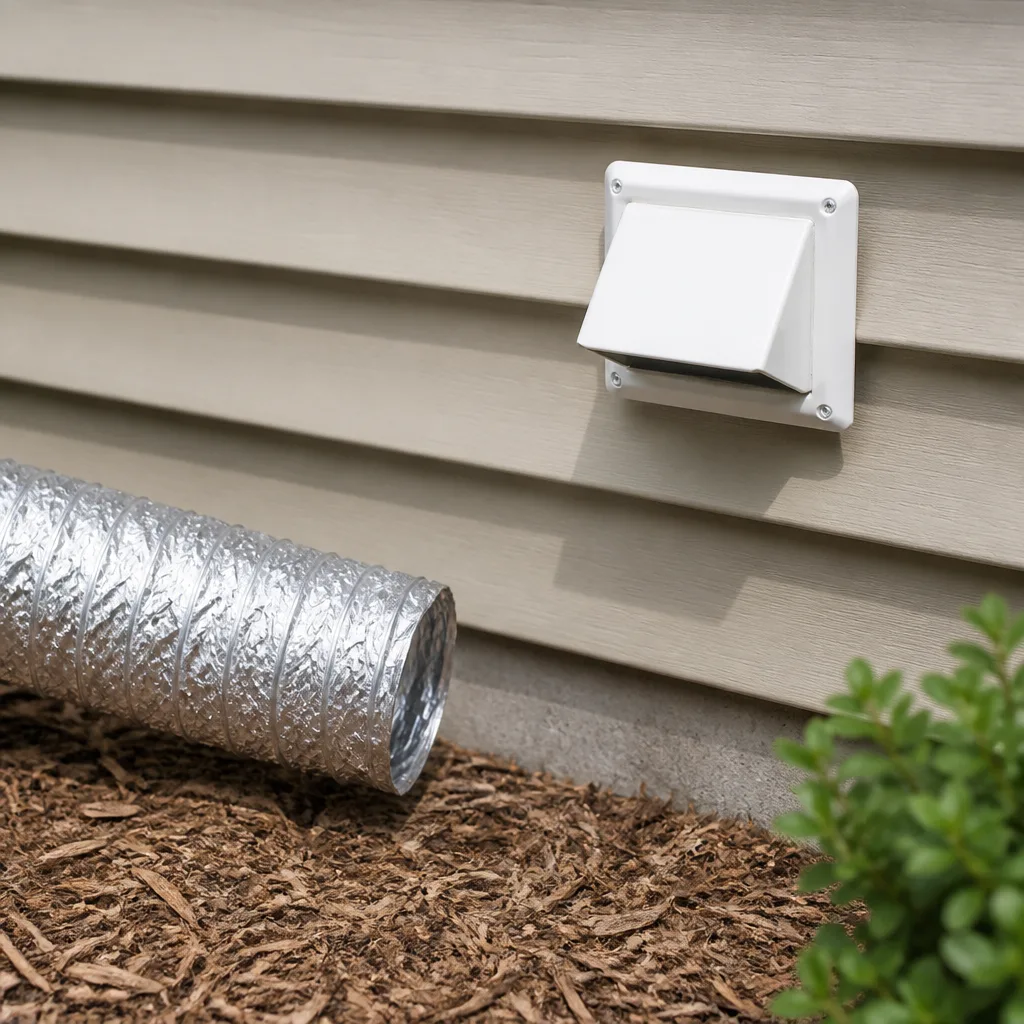 Dryer vent cleaning
 Camera inspection
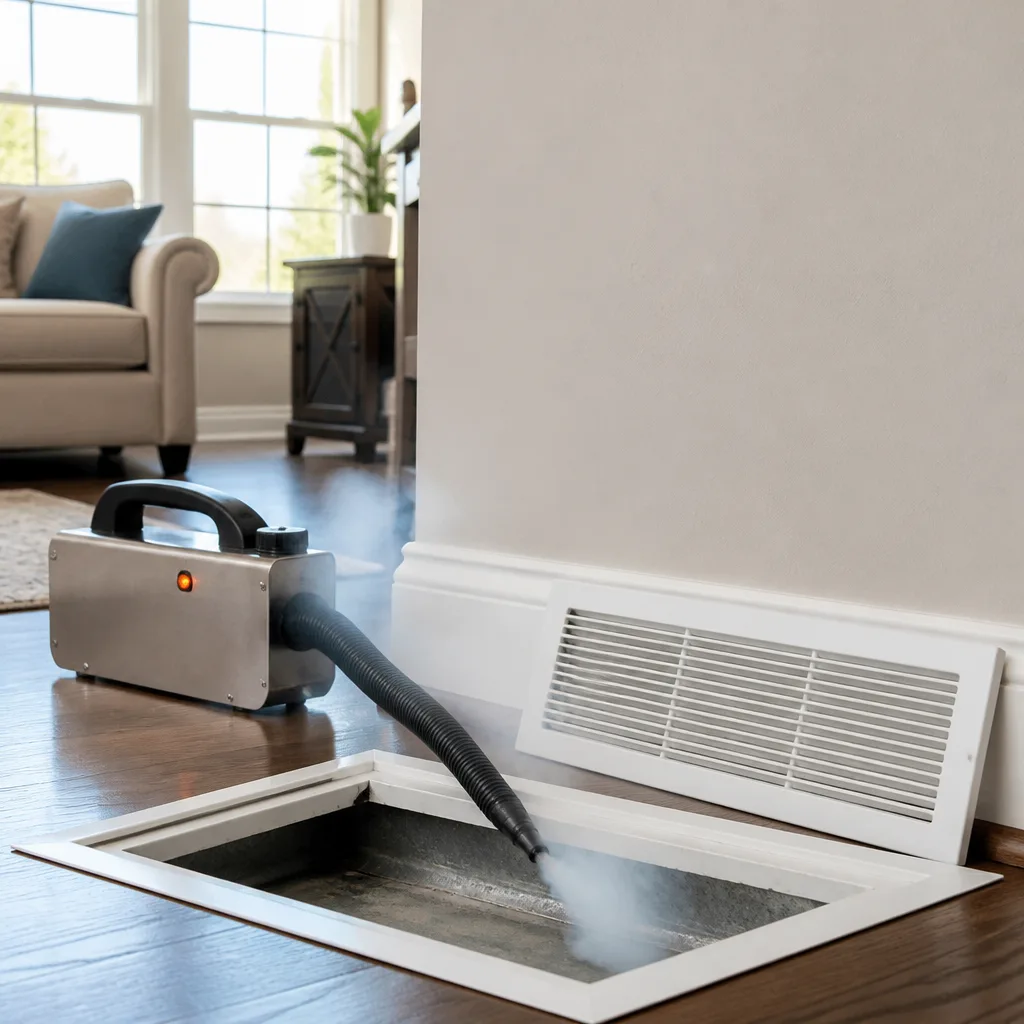 Sanitizing & deodorizing
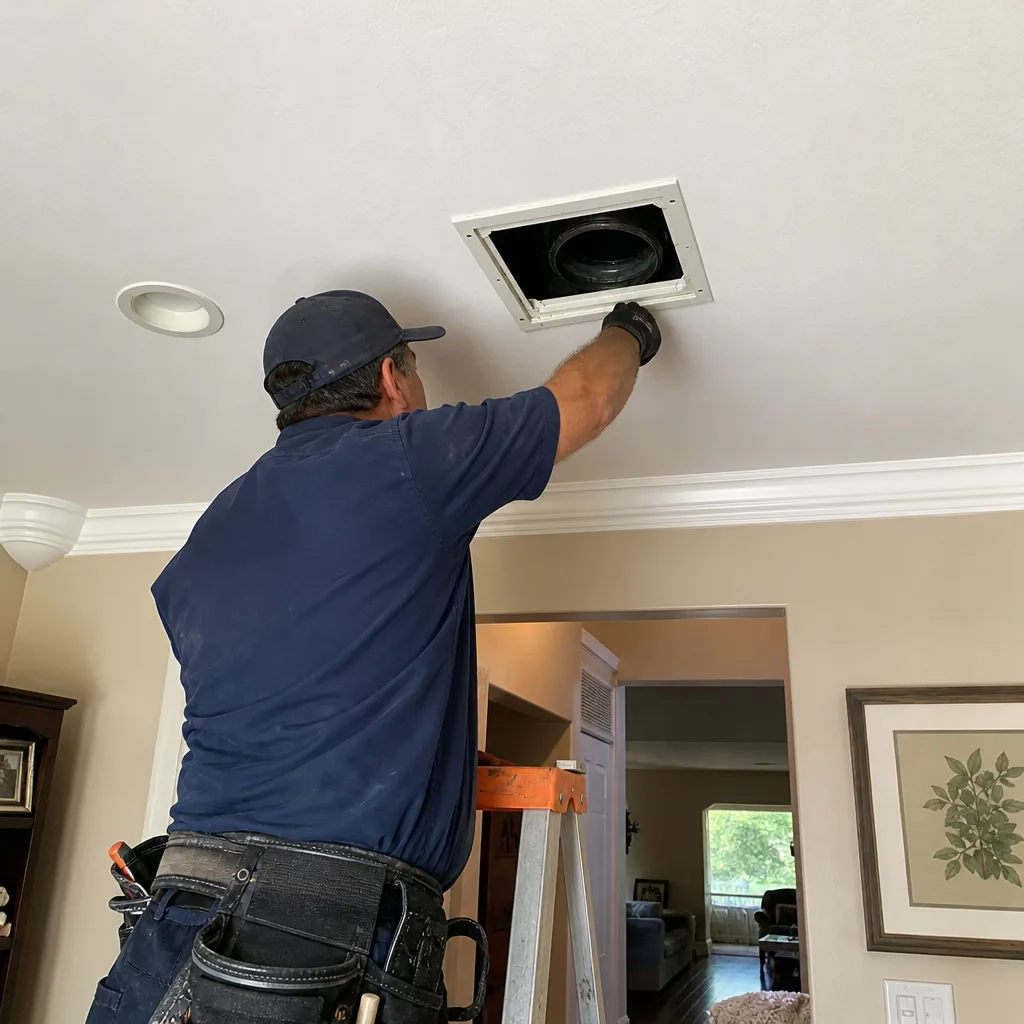
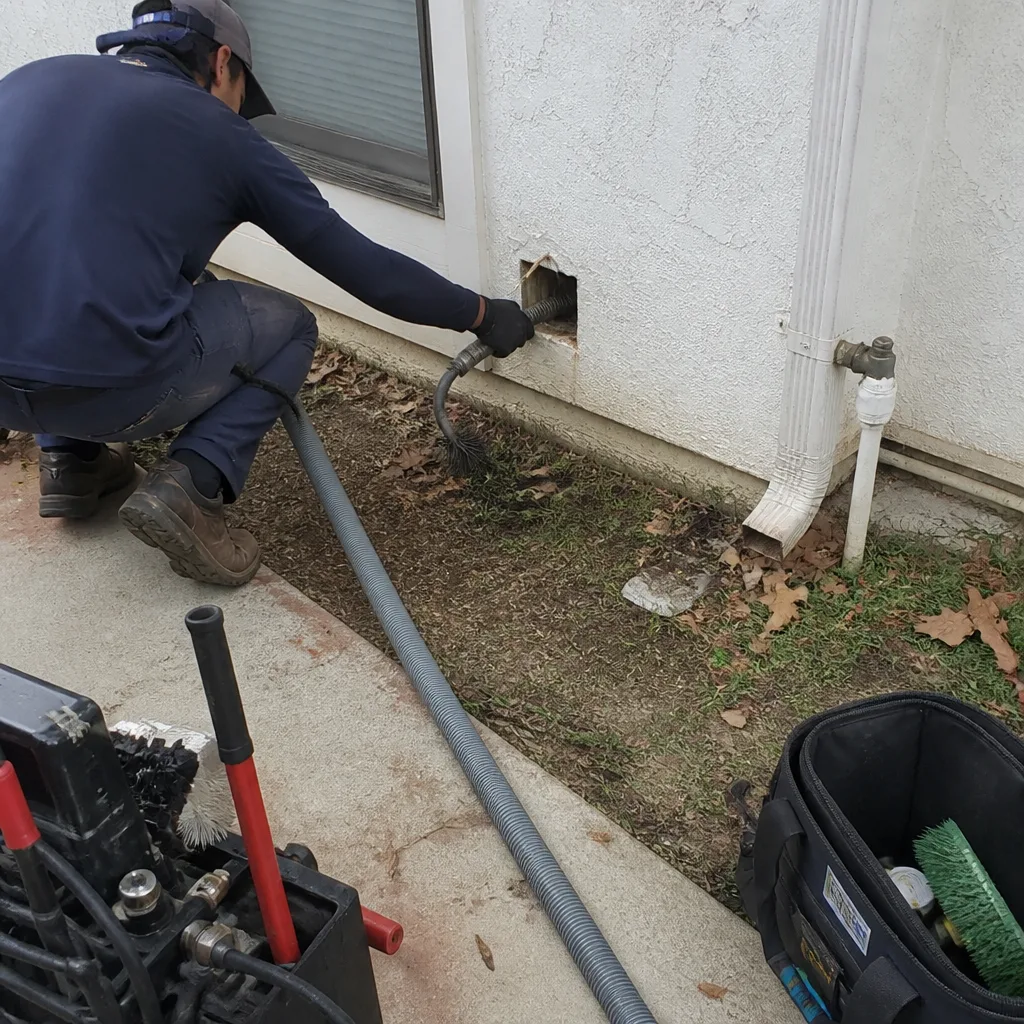
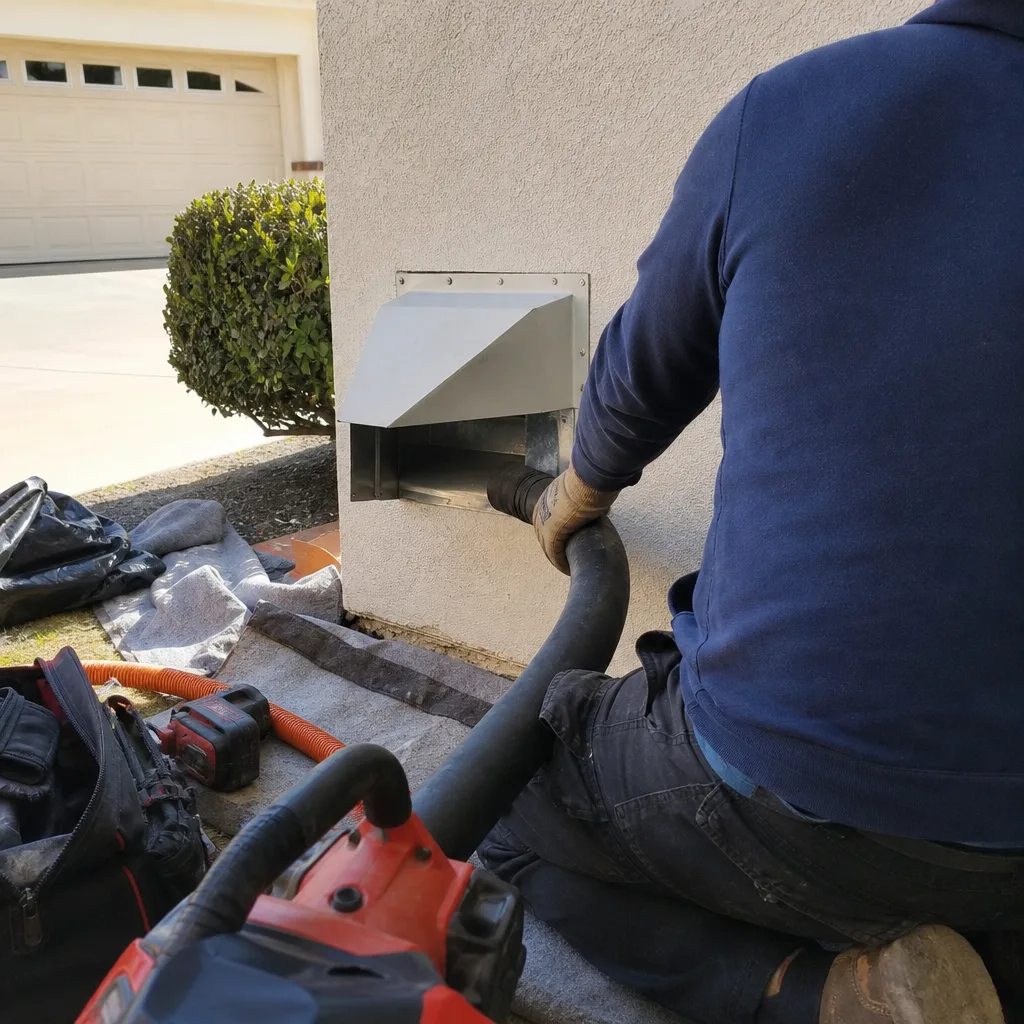
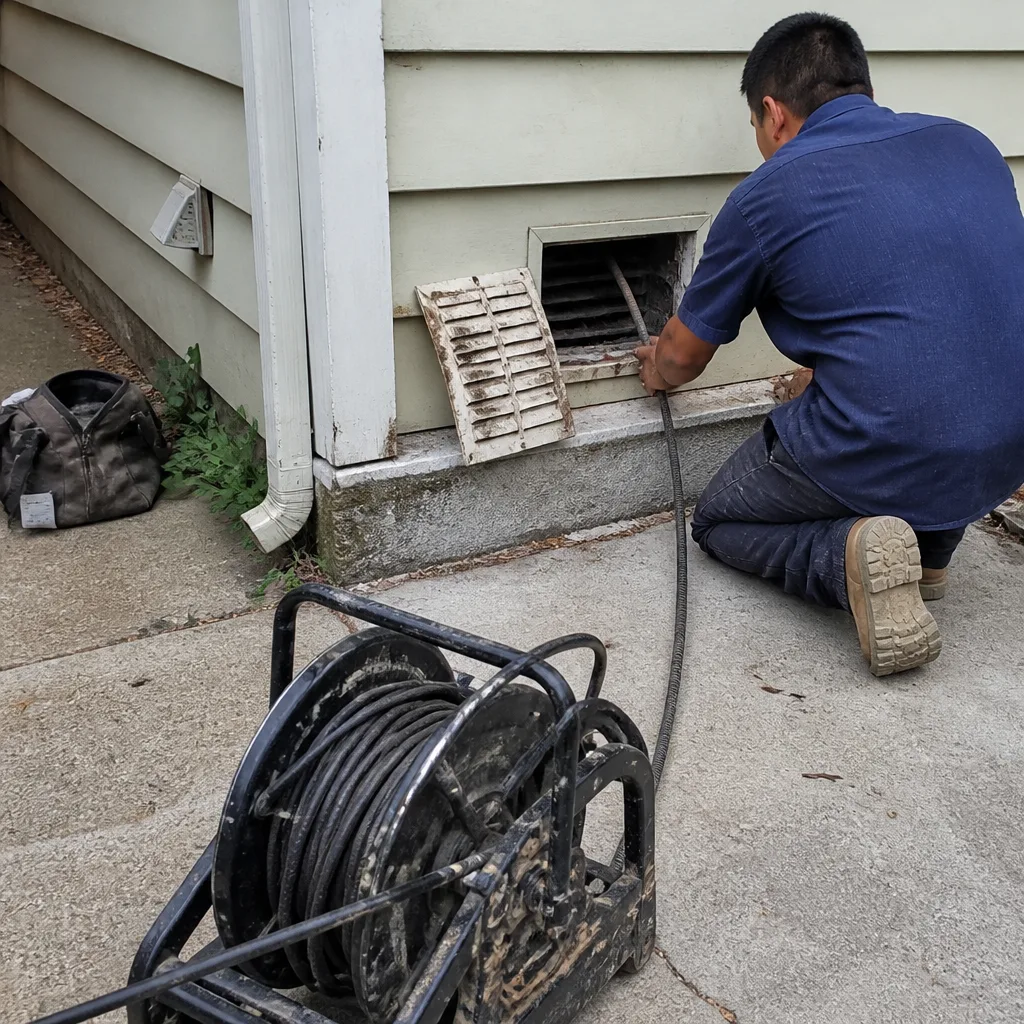
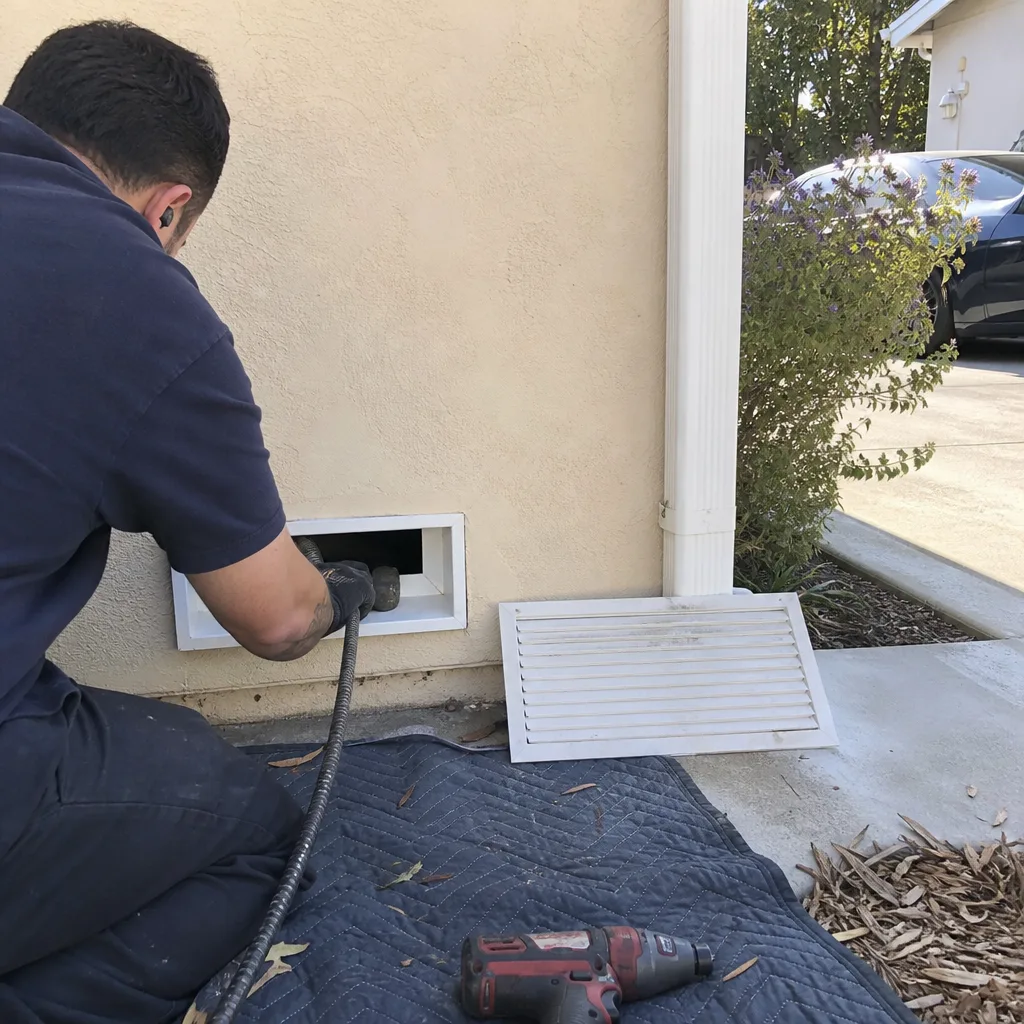
Whole-system duct and dryer vent check with before-and-after photos - you see exactly what came out of your vents
That "$99 whole-house special" is a bait ad - the real number appears once they are in your hallway, or the "clean" is a shop-vac at the register. We photograph the inside of your ducts before and after instead.
Air Duct Cleaning Permits, Codes & Inspections in CA: What You Need to Know
Here’s a scenario we see repeatedly in Ventura: a homeowner schedules routine Air Duct Cleaning services, the technician finds a disconnected duct in the crawlspace, and offers to “patch that up” while he’s down there. The homeowner says yes. The patch gets done. A year later, they’re selling the house and the buyer’s inspector flags unpermitted duct work. That five-minute favor now costs them a permit application, an inspection, and possibly a fine. No permit was needed to clean the ducts. The repair was a different matter entirely. This guide walks through exactly where California law draws that line, what triggers a permit in Ventura County, and how to document the work so a cleaning never quietly becomes an unpermitted modification.
Styles & brands we work with
- Whole-home duct cleaning
- Dryer vent cleaning
- Camera inspection
- Sanitizing & deodorizing
Quick Answer
Air duct cleaning itself does not require a permit anywhere in California. Cleaning is classified as maintenance, not construction. However, any duct repair, replacement, sealing with mastic, or air handler modification performed as part of the job typically requires a C-20 HVAC contractor license and often a building permit from the Ventura County Building and Safety Division, especially if the work touches the plenum or changes system airflow. The safest approach: get any repair scope in writing before the cleaning starts, and verify who pulls the permit. For background, see our Air Duct Cleaning Warning Signs: A Ventura Homeowner’s Reference Guide.
Table of Contents
- The Legal Line: Cleaning vs. Repair vs. Modification
- What Title 24 and the California Mechanical Code Actually Say
- Ventura County Building and Safety: When a Simple Job Triggers a Permit
- Duct Sealing: Mastic, Foil Tape, and Why Scope Changes Everything
- The Plenum Problem: Why Touching the Air Handler Changes the Conversation
- How to Document a Cleaning-Only Job So Nothing Comes Back on You
- Inspections, Home Sales, and the Unpermitted Work That Surfaces Later
- Common Mistakes to Avoid
- When to Call a Professional
- Frequently Asked Questions
- The Bottom Line
The Legal Line: Cleaning vs. Repair vs. Modification
California building law draws a hard distinction between maintaining a system and altering it. Air duct cleaning falls squarely under maintenance. You are removing accumulated debris from the interior surfaces of existing ducts with tools inserted through access points. Nothing is being built, nothing is being replaced, and the system’s physical configuration remains identical to what was there before. The California Mechanical Code (CMC) does not classify this as work requiring a permit.
Duct repair, on the other hand, is construction. Replacing a section of damaged flex duct, reconnecting a separated trunk line, fabricating a new branch, or patching a rusted return plenum all change the physical system. Once you are attaching things, you are working under the CMC’s requirements for mechanical work. In Ventura, that means the contractor performing the repair must hold a valid C-20 warm-air heating, ventilating and air-conditioning contractor license from the California Contractors State License Board, and the work may require a permit from the Ventura County Building and Safety Division depending on its scope.
The distinction matters because many air duct cleaning companies do not hold a C-20 license. They hold a general business license and operate legally as cleaning services. That’s fine, as long as all they do is clean. The moment they perform a repair, they are working outside their legal scope. Homeowners rarely think to ask. We do, because we see the aftermath: repairs done by unlicensed hands, sold without permits, and flagged years later by a buyer’s home inspector.
Here’s the information-gain insight most content misses: the legal classification depends not on what you intended to do, but what you physically did. If a technician removes a crushed section of duct and reattaches the remaining pieces, that is a repair under California law even if no parts were purchased. If he applies mastic sealant to a leaking seam, that is sealing work, which we’ll cover in a moment. If he installs a new access panel to reach deeper into the duct, that is a modification. Intention is irrelevant. The work itself is what the code sees.
What This Means for Ventura Homeowners Specifically
Ventura’s housing stock includes a substantial number of homes built between the 1950s and 1980s. Those homes have aging duct systems: galvanized steel trunks with failing taped seams, flex duct runs that have sagged and separated, and plenums showing rust. Cleaning an older system frequently uncovers problems that were not visible before a hundred pounds of dust came off the walls. A homeowner in the Pierpont area or College neighborhood who schedules a straightforward cleaning may end up hearing that three ducts have separated and need reconnecting. That is repair work, and it needs to be treated as such.
If you are looking at a full air duct cleaning in Ventura, expect the company to document any damage they find in writing and give you a separate repair scope with clear lines about permits and licensing. That separation is not red tape. It is the thing that keeps your cleaning legal and your home sale clean.
What Title 24 and the California Mechanical Code Actually Say
California’s Title 24, part of the California Code of Regulations, governs energy efficiency standards for buildings, including HVAC systems. The California Mechanical Code, which is Chapter 6 of the California Building Standards Code, governs how mechanical systems are installed, altered, and maintained. Both have direct relevance to duct work, and both draw the same fundamental line: cleaning requires nothing; altering requires compliance.
The CMC requires a permit for “the erection, installation, alteration, repair, relocation, replacement, addition to, use or maintenance of any mechanical system” with specific exemptions. Air duct cleaning, as a maintenance activity that does not involve equipment replacement or modification, falls under the category of work that does not require a permit from the authority having jurisdiction. The code’s definition of maintenance includes “the act of keeping a system in its original working order” and explicitly does not include “replacement, alteration, or repair.”
So what does Title 24 care about when it comes to ducts? Leakage. California has some of the strictest duct leakage standards in the country. Under the 2022 Energy Code, newly installed or substantially modified duct systems in climate zones like Ventura’s must be tested and verified to limit leakage to a specified percentage of system airflow. If a contractor replaces a significant section of duct or modifies the system enough to trigger the code, that work may require duct leakage testing through a HERS rater before the inspector signs off.
Here’s where the nuance lives: cleaning your ducts does not trigger Title 24 compliance requirements. But if the recommendation after cleaning includes extensive sealing or replacement work, the scope of that follow-up work may pull the project under the Energy Code’s duct sealing and testing requirements. That is not something a cleaning-only company is set up to handle. That is C-20 territory.
The Ventura Climate Angle
Ventura’s coastal climate means homes here often run their HVAC systems less than homes in the Central Valley or inland Southern California. That has an odd consequence: duct systems in Ventura age more by time than by use. Sealants dry out, tape adhesives fail, and flex ducts sag over a decade, even when the system only cycles a few hundred hours a year. When we inspect systems in East Ventura or the Saticoy area, we frequently find leaks that have nothing to do with heavy use. They are age failures. And age failures in a cleaning-only visit become repair decisions that intersect with code.
Ventura County Building and Safety: When a Simple Job Triggers a Permit
The Ventura County Building and Safety Division issues permits for unincorporated county areas. If you live within Ventura city limits, you are under the City of Ventura’s Building and Safety Division. The permit triggers are similar because both enforce the California Mechanical Code, but the local administrative details differ. Here is the breakdown that matters for this guide:
Work that does NOT require a permit in Ventura:
- Air duct cleaning using brushes, compressed air, or vacuum equipment inserted through existing access points
- Replacement of standard air filters
- Visual inspection of duct work, including camera inspection
- Minor tightening of existing clamps or hangers that have come loose, as long as no components are replaced
Work that typically DOES require a permit in Ventura:
- Replacement of any section of duct longer than a small patch (the threshold is typically anything that involves removing and replacing a duct section, not just taping over a pinhole)
- Installation of new duct runs, new supply registers, or new return air pathways
- Modification of the plenum, including cutting new openings or patching large areas
- Replacement or relocation of the air handler
- Any duct work associated with a system replacement, including the evaporator coil or condenser
The threshold language matters. A pinhole in a duct can generally be sealed without a permit. A separated flex duct that needs to be reconnected and re-supported is a repair, and in the view of most Ventura County inspectors, that is a permitted activity. Some contractors will argue otherwise. If an inspector sees it, they will win the argument.
What a Permit Actually Costs and Takes in Ventura
For a straightforward duct repair or sealing job, a Ventura County mechanical permit runs a few hundred dollars, depending on the valuation of the work. The process involves submitting a scope of work, paying the fee, scheduling an inspection, and having the inspector verify the work before the walls or insulation cover it. Total timeline is typically one to three weeks. It is not a heavy lift. It is also not something a homeowner wants to be surprised by after they already wrote a check to a cleaning company.
In our experience, the homeowners who get burned are not the ones who said yes to a permitted repair. They are the ones who never knew a repair happened until it surfaced later. A written scope of work, signed by both parties before any cleaning begins, eliminates that ambiguity entirely.
Duct Sealing: Mastic, Foil Tape, and Why Scope Changes Everything
Duct sealing is the grayest area in the cleaning-versus-repair conversation, and it is gray for a specific reason: the California Mechanical Code and Title 24 both take duct sealing seriously because leaking ducts waste energy. The question is never whether sealing is a good idea. It is whether the sealing work crosses the line from maintenance into a regulated activity.
Applying mastic sealant or UL-listed foil tape to a visible seam or joint is generally considered maintenance when the area is small and accessible. You are restoring the existing seal, not changing the system. No permit is required for this kind of spot sealing. Most Ventura building inspectors will confirm this if asked.
The situation changes when the sealing work is extensive. If a contractor proposes to seal every accessible duct joint in the attic, that is a system-wide air sealing project. Under California’s Energy Code, large-scale duct sealing on existing systems can trigger the requirement for duct leakage testing to verify the improvement actually reduced leakage to an acceptable level. That testing is performed by a certified HERS rater, not the contractor doing the sealing. A licensed HVAC contractor will know this. A cleaning company offering “full duct sealing” as an add-on may not.
Here is the practical line we advise Ventura homeowners to use: if the sealing work takes more than an hour and covers more than a few joints, ask whether a permit and leakage test are part of the quote. If the contractor says no and cannot explain why, get a second opinion. The California Energy Commission has been aggressive about enforcing duct sealing standards, and the enforcement mechanism is the permit.
What We Do Differently
When we clean ducts in Ventura, we use a Rotobrush contact-cleaning system paired with Nikro HEPA-rated vacuum equipment to agitate and extract debris without damaging the duct walls. That matters for the sealing conversation because damaged duct work is the number one reason sealing becomes necessary. Aggressive cleaning with brushes that are too large or vacuums that are too powerful can pull apart aged seams and create the very leaks the homeowner then has to pay to fix. That is a repair borne of the cleaning itself. We would rather clean carefully and document what we find than create a situation that requires a permit the homeowner never anticipated.
The Plenum Problem: Why Touching the Air Handler Changes the Conversation
The plenum is the box at the start of the duct system, connected directly to the air handler. It is the junction where the blower pushes air into the supply ducts or pulls it from the return ducts. It is the highest-velocity, highest-pressure point in the entire HVAC system, and it is the single component that shifts a duct project from routine to regulated faster than any other part of the system.
Under the California Mechanical Code, modifications to the plenum are mechanical alterations, not maintenance. Cutting a new access hole, patching a rusted section, replacing the plenum entirely, or moving the connection point for a duct run all change the system’s engineered airflow characteristics. Even if the work is done perfectly, the code treats it as construction. That means a C-20 license and, in most cases, a permit from Ventura County Building and Safety.
Why is the plenum so significant? Because the air handler’s performance is rated based on the pressure differential across the system. The plenum is where that differential is highest. A poorly executed plenum modification can increase static pressure, reduce airflow to distant rooms, strain the blower motor, and shorten the life of the entire system. California’s Title 24 energy standards have specific requirements for plenum insulation, sealing, and pressure ratings. A cleaning company that decides to “just cut a new access point” to reach a deep section of trunk line has technically modified the plenum without a permit. That is an unpermitted alteration the homeowner likely never asked for.
If your cleaning assessment recommends any work involving the plenum, treat it as a separate, permitted project. The only exception is a cleaning access point that is clearly temporary and sealed afterward, and even then, we advise getting the confirmation in writing that no permanent modification was made. Words matter here. “We cut a temporary access hole and sealed it with the same gauge metal” is a repair in the eyes of the code, regardless of the word “temporary.”
How to Document a Cleaning-Only Job So Nothing Comes Back on You
A written scope of work is the single best protection a homeowner has against unpermitted work they never authorized. The document does not need to be complicated. It needs to be specific about what will be done and, more importantly, what will not be done. Here is the step-by-step process we recommend to every Ventura homeowner before the first technician arrives:
- Get the scope in writing before work begins. The document should list: the date, the address, the exact services being performed (cleaning only, no repair), the equipment being used, and a statement that no modifications, repairs, or alterations will be performed without written approval.
- Ask for the contractor’s license classification. A cleaning company may not hold a C-20 HVAC license. That is legally fine for cleaning. It is legally disqualifying for repair. Ask directly: “If you find damage, are you licensed to repair it?” Get the answer on paper.
- Take before-and-after photos yourself. Photograph the accessible ducts, the registers, and any areas the technician will be working in. If a repair is later claimed or disputed, photos are evidence of the prior condition.
- Request a written post-service report that states what was done. It should include: the areas cleaned, the condition of the ducts as found, any damage observed, and an explicit statement that no repairs or modifications were performed unless separately authorized.
- If a repair is recommended, get a separate written quote. The quote should include the permit cost, the permit number once filed, and the inspection date. If no permit is mentioned, ask why.
This paperwork takes twenty minutes combined. It is the difference between a clean home sale in five years and a title company escrow hold while unpermitted duct work gets retroactively permitted. We have watched the second scenario unfold enough times in Ventura to know the twenty minutes is the best investment in the entire project.
Inspections, Home Sales, and the Unpermitted Work That Surfaces Later
Every home sale in Ventura involves a buyer’s home inspection, and modern inspectors are thorough. They carry moisture meters, thermal cameras, and the collective experience of thousands of inspections. They open hatch doors and shine lights into crawlspaces. When they see fresh mastic on a duct seam, a replaced flex duct with new zip ties, or a repaired plenum with different metal than the surrounding duct, they note it. And then the buyer’s agent asks the question the seller never wanted to hear: “Was this permitted?”
If the answer is no, the sale does not necessarily die. But it gets complicated. The seller can either obtain a permit retroactively, which means paying a fine on top of the permit fee and scheduling an inspection on the buyer’s timeline, or negotiate a credit so the buyer can handle it after closing. Either way, the cost is typically two to four times what the permit would have cost originally. In a Ventura market where competing offers and tight timelines are common, a title delay over unpermitted duct work can cost a seller far more than the permit fee.
This is the core reason the cleaning-versus-repair distinction matters so much. A cleaning-only job leaves no trace that a buyer’s inspector will flag. No one is looking for clean ducts. They are looking for modifications. When our team repairs air ducts in Ventura, we handle the permit conversation up front, before any work begins, so the homeowner’s five-year sale is as clean as the ducts.
The Written Record as a Selling Point
Here is something most homeowners never consider: a documented cleaning-only service, with a written report stating explicitly that no repairs or modifications were performed, is a positive selling point during a home sale. For more guides & resources on protecting your home’s value, see our blog. It tells the buyer’s inspector that the system was maintained by a company that understood the legal line and respected it. That is evidence of responsible ownership. It makes the home easier to sell, not harder.
Common Mistakes to Avoid
- Assuming because no permit was pulled, the work was legal. Many repairs are performed without permits, and the absence of paperwork does not mean the work did not need it. Always ask whether a permit was required, and get the answer in writing.
- Accepting “we can fix that while we’re in there” without asking about licensing. If the company is not a licensed C-20 contractor, any repair they perform is outside their legal scope. That can void homeowner’s insurance claims and complicate a future sale.
- Confusing duct cleaning with duct sealing. Cleaning removes debris. Sealing changes the system’s airtightness. One is maintenance. The other can be regulated. Do not accept sealing as a “standard part” of a cleaning package without understanding the scope.
- Forgetting that the plenum is not just another duct. Any work on the plenum is a system modification under California code. Treat it as a separate, permitted project, even if the cleaning company says it is simple.
- Not taking photos before the work. If a technician causes damage and then “repairs” it on the spot, you now have an unpermitted repair you cannot prove was unauthorized. Photos create the baseline.
- Paying a final invoice that itemizes “repairs” without a permit number. Once money changes hands and the work is listed as a completed repair, you have authorized it. If the permit was required and never pulled, the legal burden is on you.
- Skipping the written post-service report. A verbal summary has no evidentiary value in a home sale dispute. A written report does.
When to Call a Professional
Call a licensed professional if your duct inspection reveals any of these conditions: separated duct sections, crushed or sagging flex duct, visible rust on the plenum, disconnected branch lines, evidence of animal nesting in the ducts, or any problem that will require more than cleaning to resolve. These are repair scenarios. They require a C-20 licensed contractor who understands Ventura County permit requirements and is willing to pull the permit the work actually needs.
Air Duct Cleaning Ventura offers free estimates in Ventura. If you are unsure whether a problem in your duct system is a cleaning issue or a repair issue, call (855) 507-7508 and describe what you’re seeing. We will tell you honestly which category it falls into and what the permit picture looks like before anyone touches your system.
Frequently Asked Questions
No. Air duct cleaning is classified as maintenance under the California Mechanical Code and does not require a permit. The work involves removing debris from existing ducts without altering the system’s structure, which is outside the permit scope. Call (855) 507-7508 for a free estimate on a cleaning-only service that is fully documented.
Duct work requires a permit in Ventura when the work involves repair, replacement, sealing beyond minor spot work, or modification of the plenum or air handler. The Ventura County Building and Safety Division enforces the California Mechanical Code’s permit triggers, which classify any structural change to the duct system as regulated construction.
Only if the company holds a valid C-20 warm-air heating, ventilating and air-conditioning contractor license from the California Contractors State License Board. A company licensed only as a cleaning service cannot legally perform repairs, and any repair they make is unpermitted work that can surface during a home sale.
Minor spot sealing of small, accessible seams with mastic or UL-listed foil tape is generally considered maintenance and requires no permit. System-wide sealing of every accessible joint is a larger project that may trigger Title 24 duct leakage testing requirements and a permit. The scope determines the classification.
Request a written scope of work before service begins that explicitly states no repairs or modifications will be performed without separate written approval. After the job, request a written report confirming the work performed and stating that no repairs were made. Take your own before-and-after photos as additional documentation.
Buyer’s home inspectors commonly flag unpermitted duct work, which can delay the sale, trigger retroactive permit fees and fines, or force a seller credit at closing. The retroactive permit process typically costs two to four times the original permit fee. In a competitive market like Ventura, that delay can cost substantially more than the permit itself.
The Bottom Line
Air duct cleaning in California requires no permit, and that is where the confusion begins. Cleaning is maintenance, legally distinct from the repair and modification work that frequently follows it. The moment a technician reconnects a duct, patches a plenum, or seals a system-wide leak, the project crosses into C-20 licensed and potentially permitted territory. In Ventura, where aging homes and coastal humidity quietly degrade duct systems, the line between cleaning and repair gets crossed more often than homeowners realize. Document the scope before work begins, ask hard questions about licensing, and never let a cleaning become an unpermitted modification you did not authorize. Five years from now, when the home inspector opens the hatch, you will be glad you did.
Written by the team at Air Duct Cleaning Ventura, serving Ventura since 2017.
See the difference
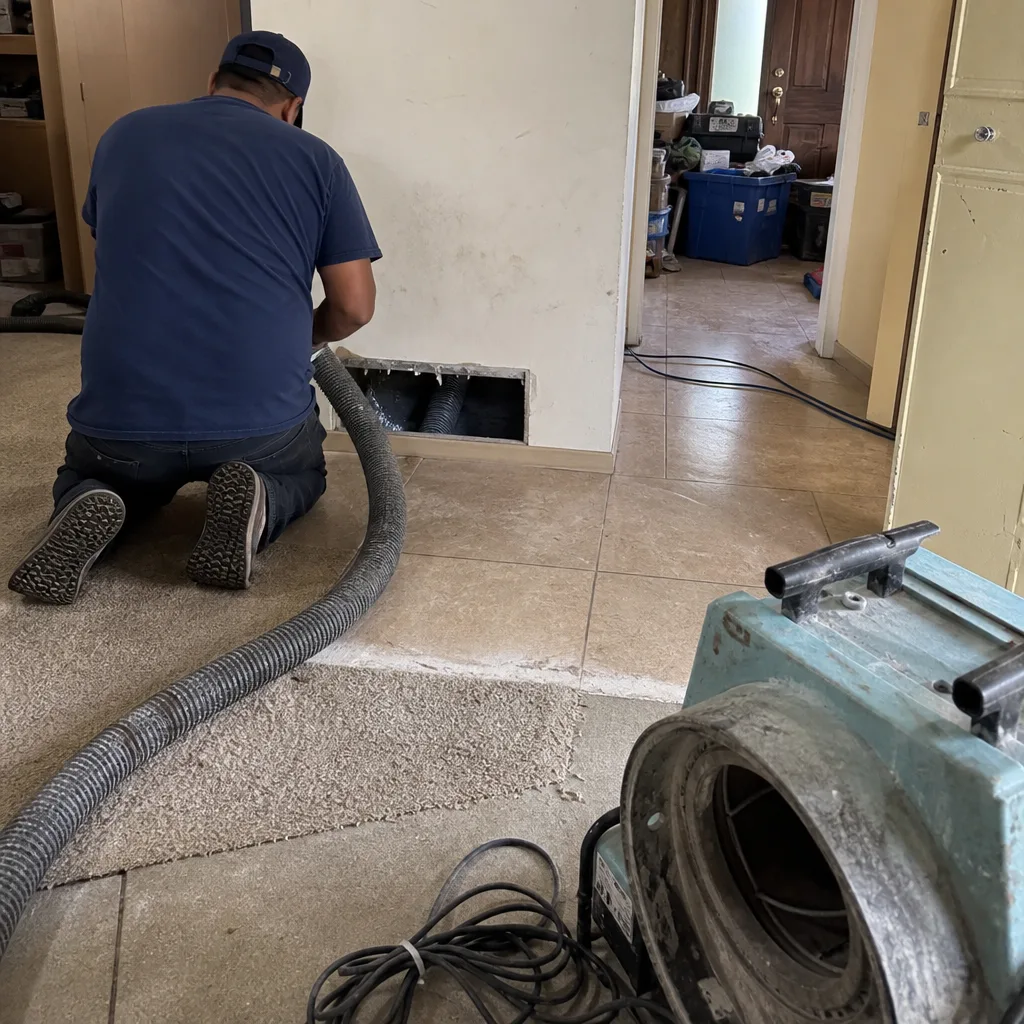 Before
 After
 Before
 After
 Before
 After