
Last updated November 2, 2026
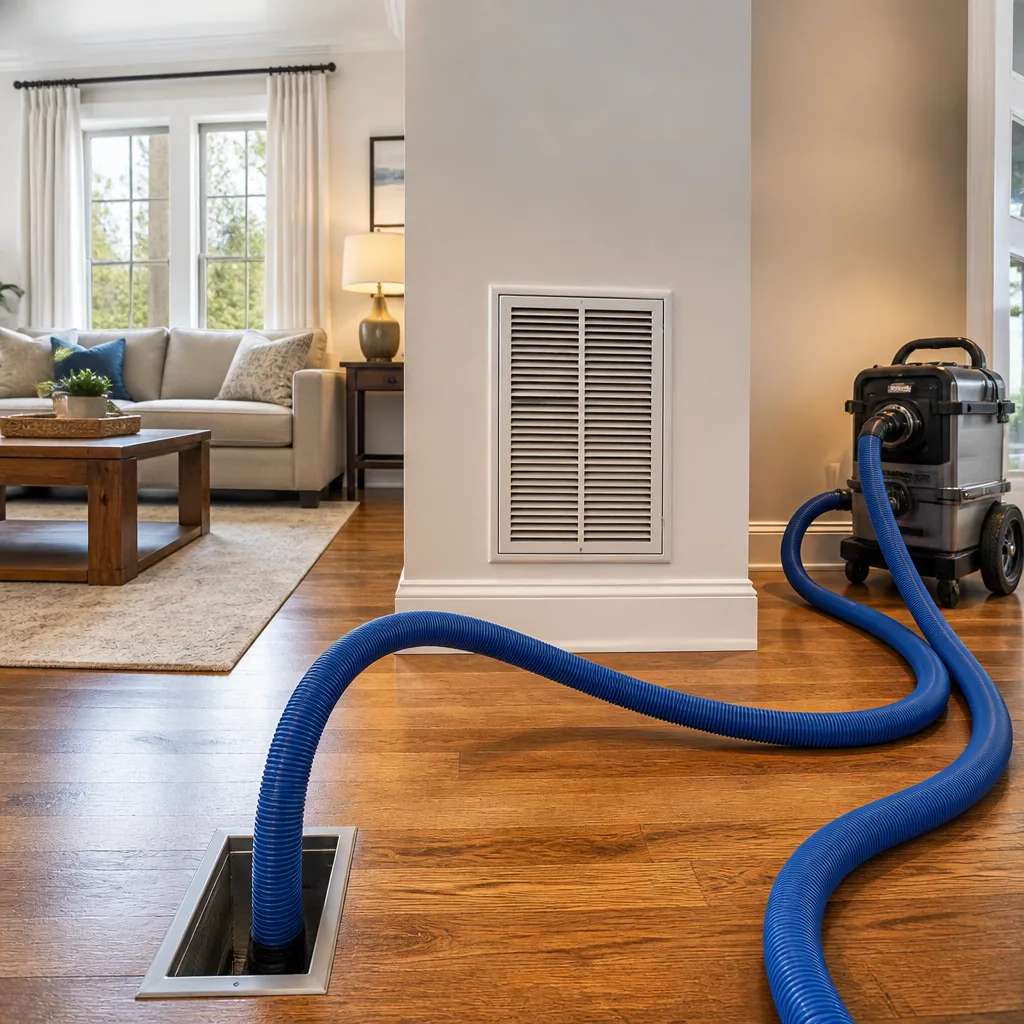 Whole-home duct cleaning
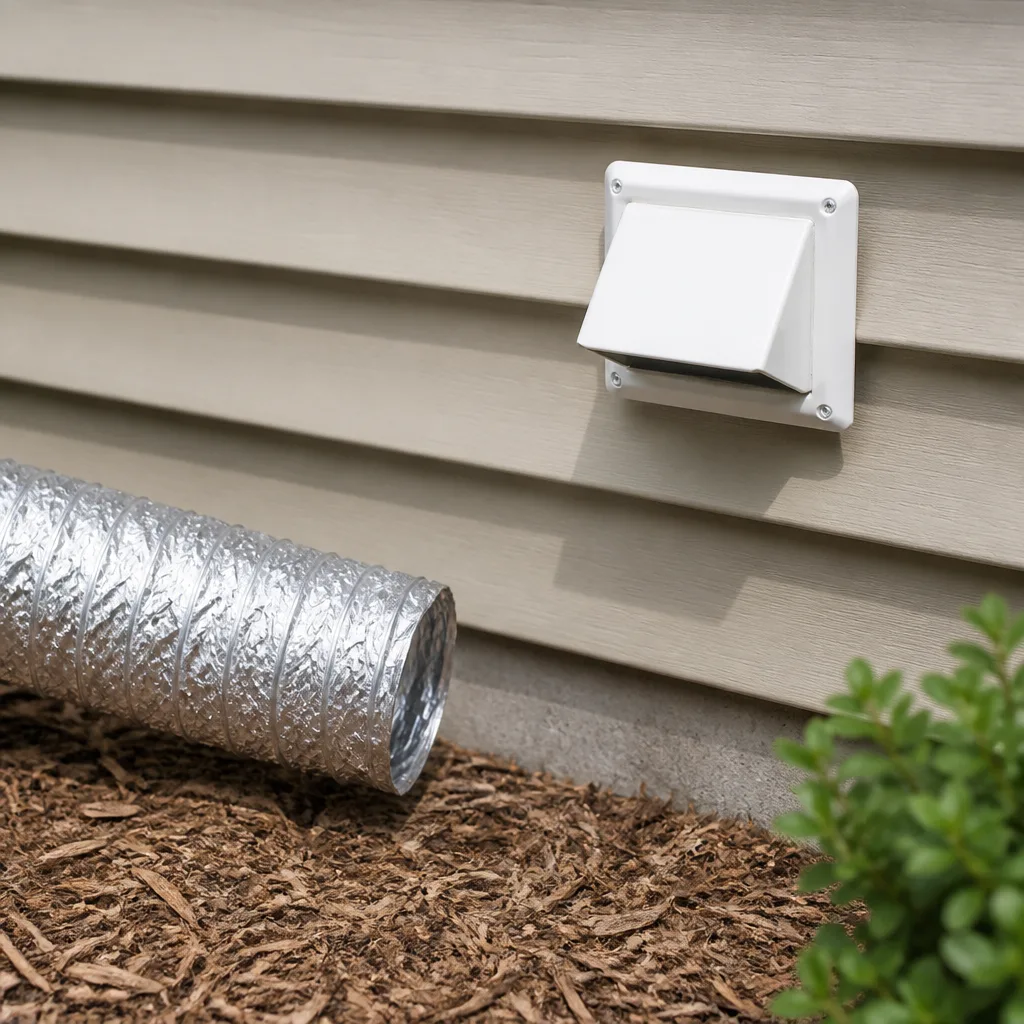 Dryer vent cleaning
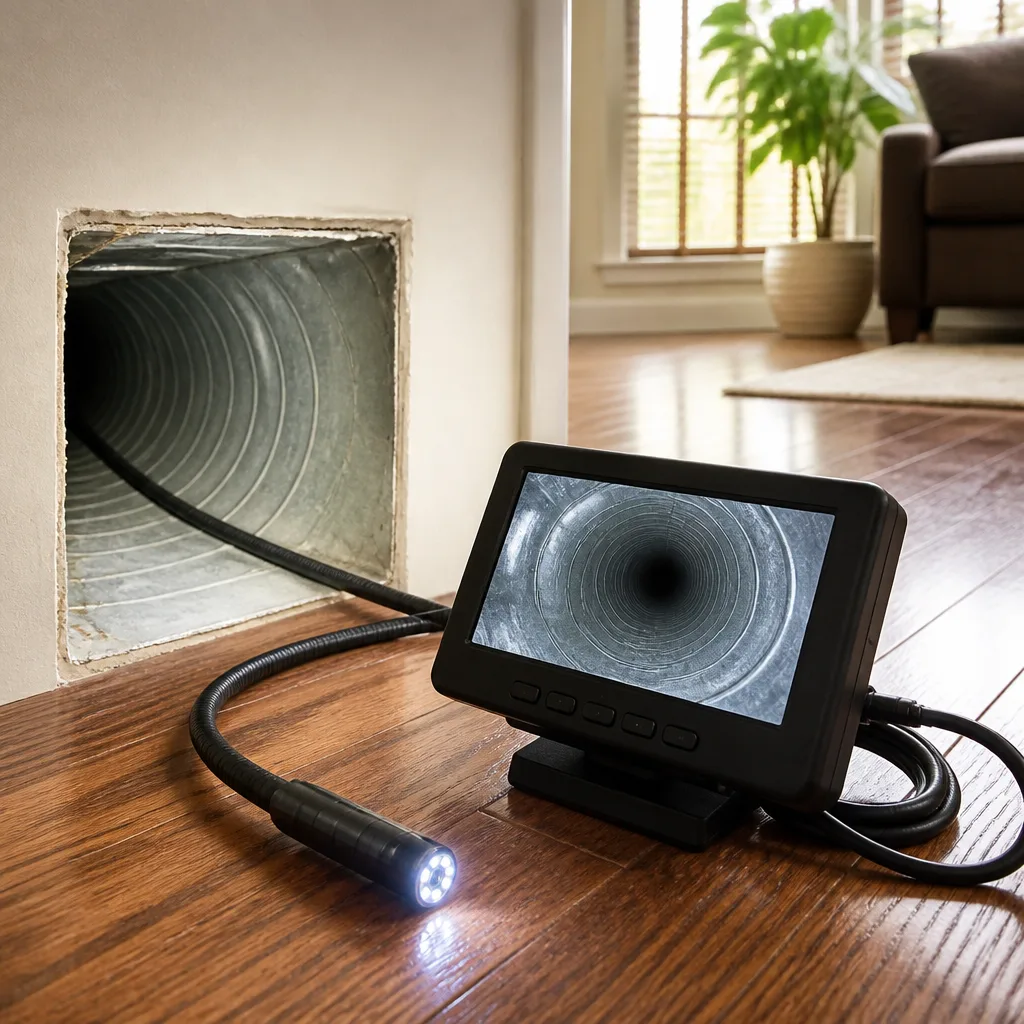 Camera inspection
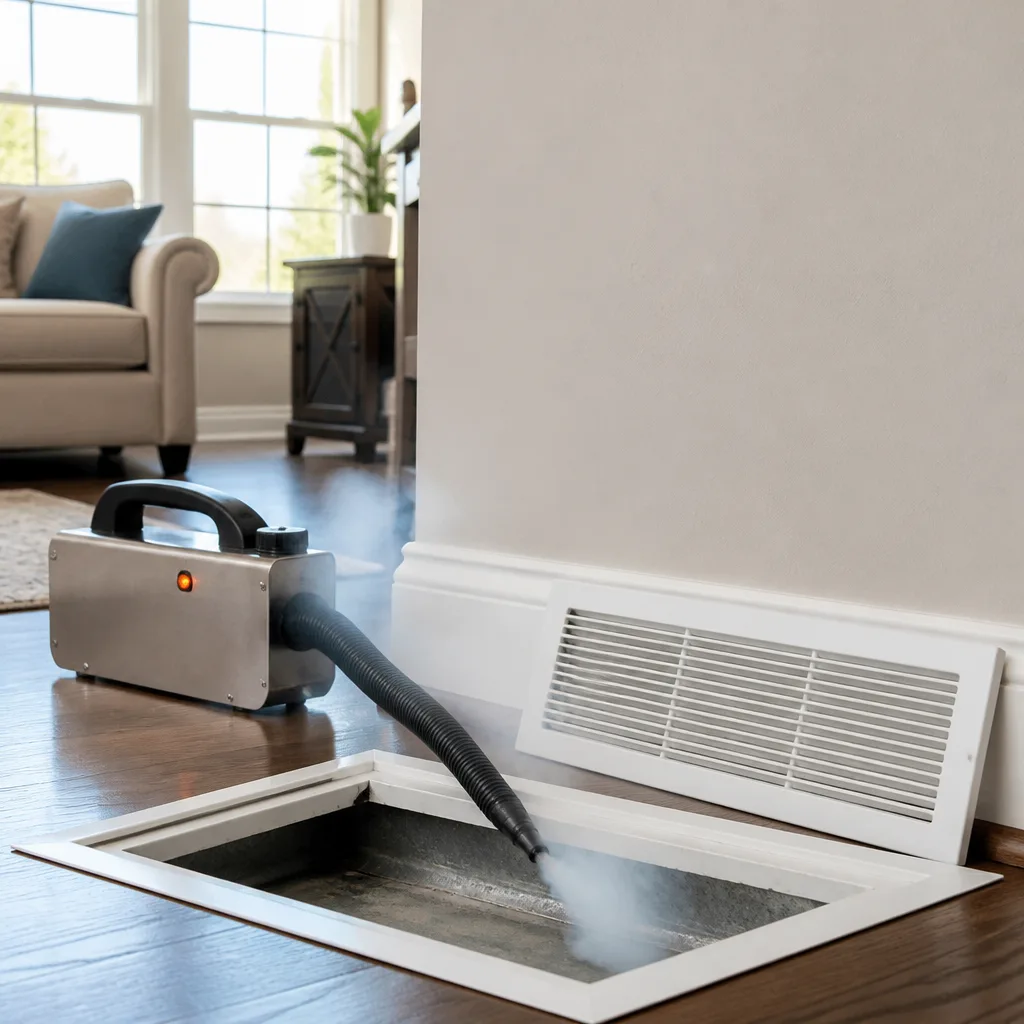 Sanitizing & deodorizing
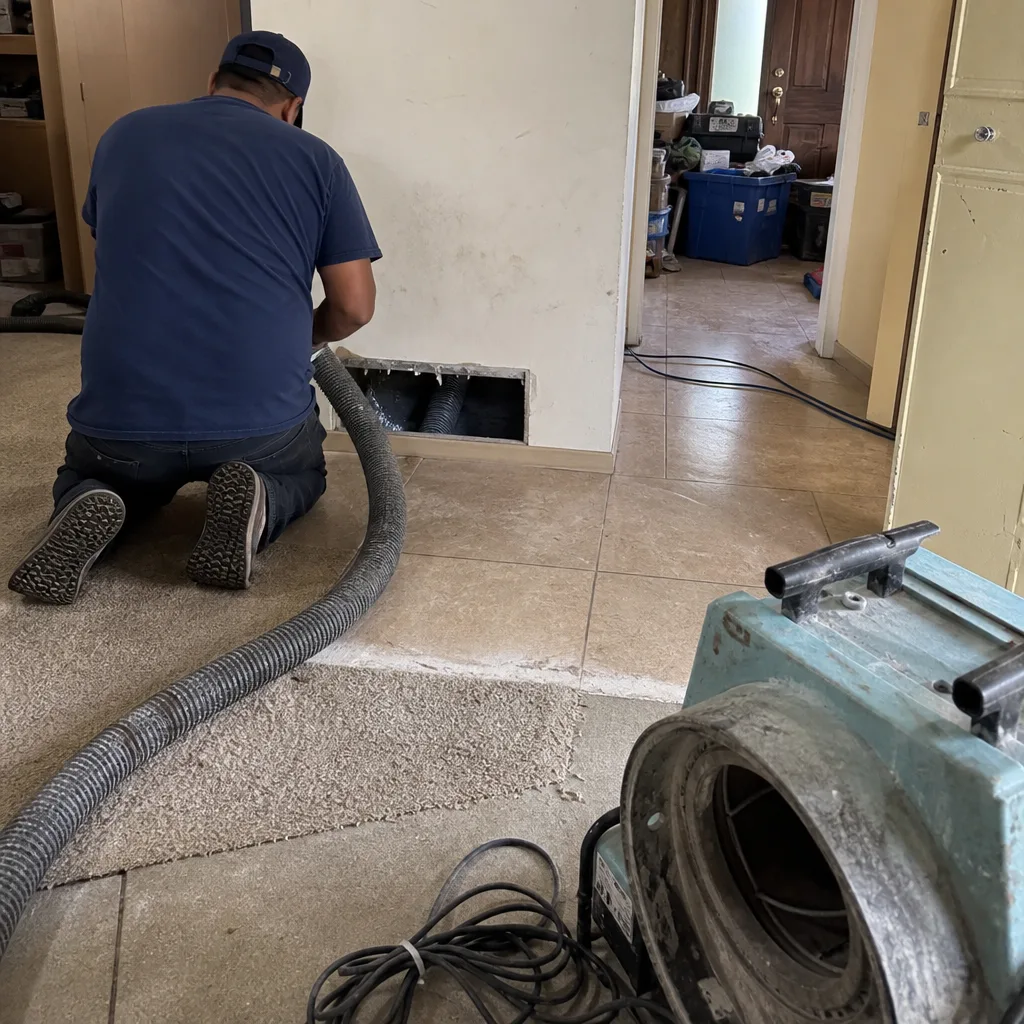
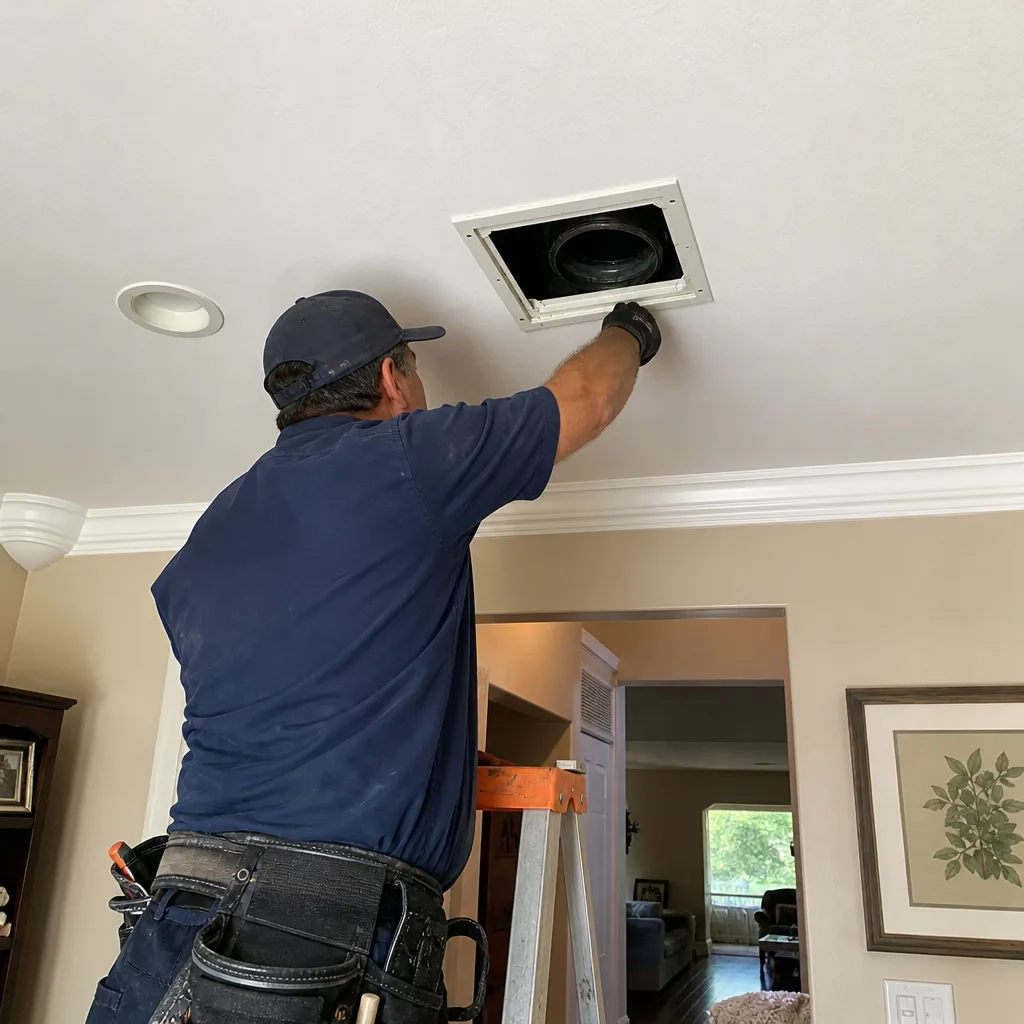
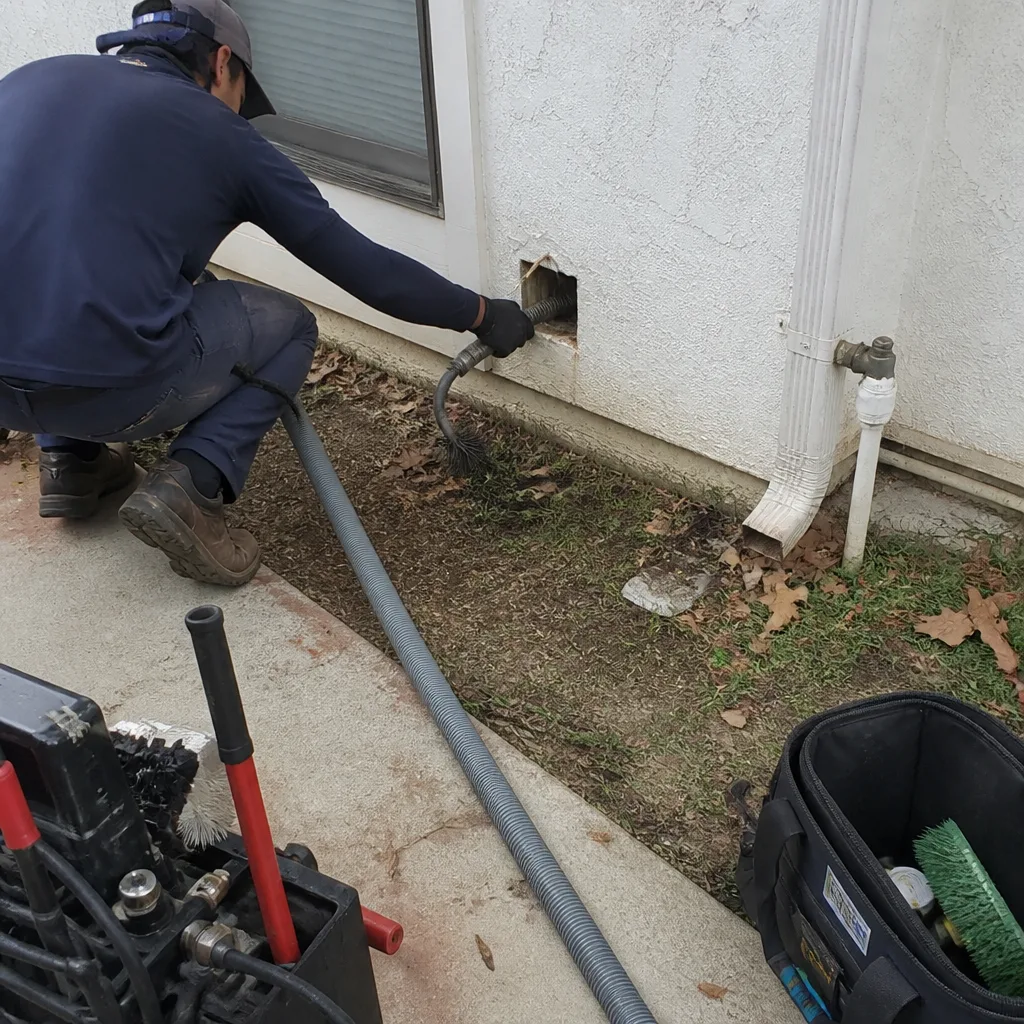
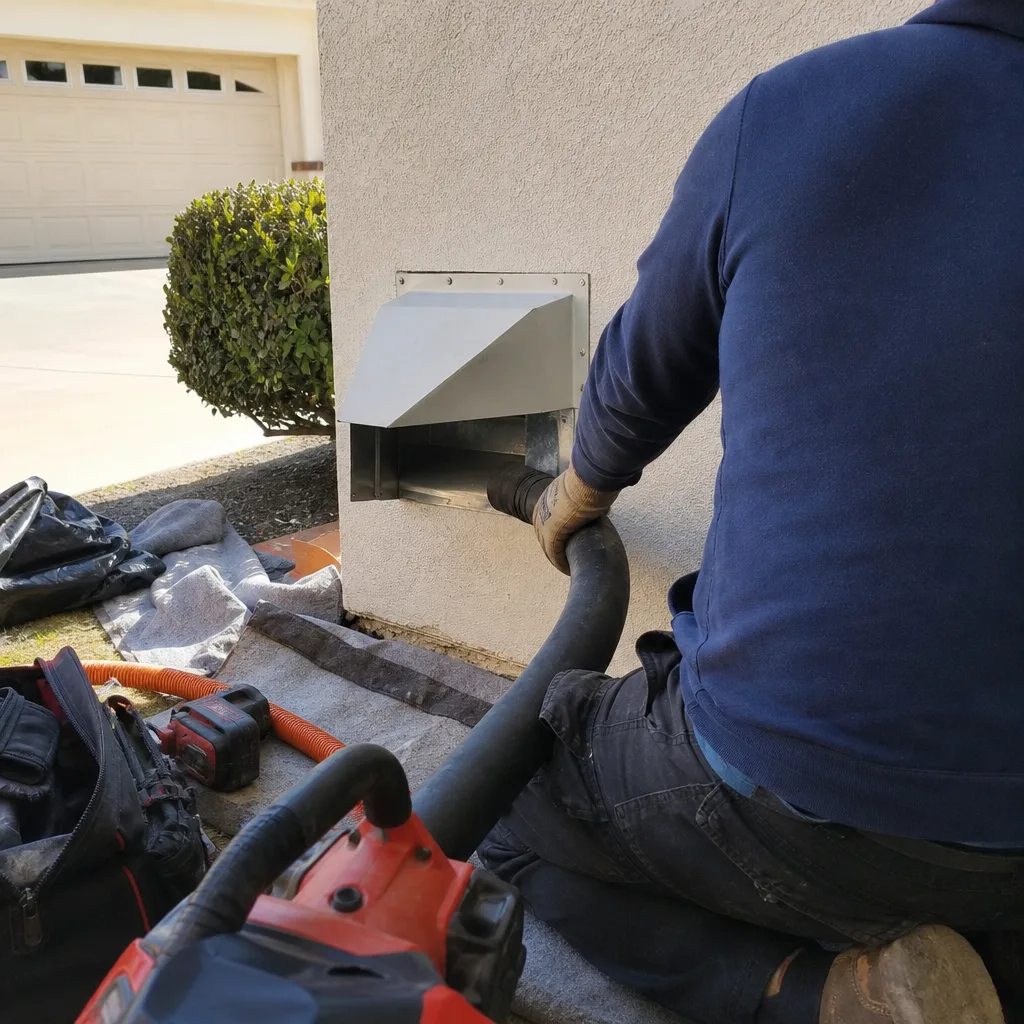
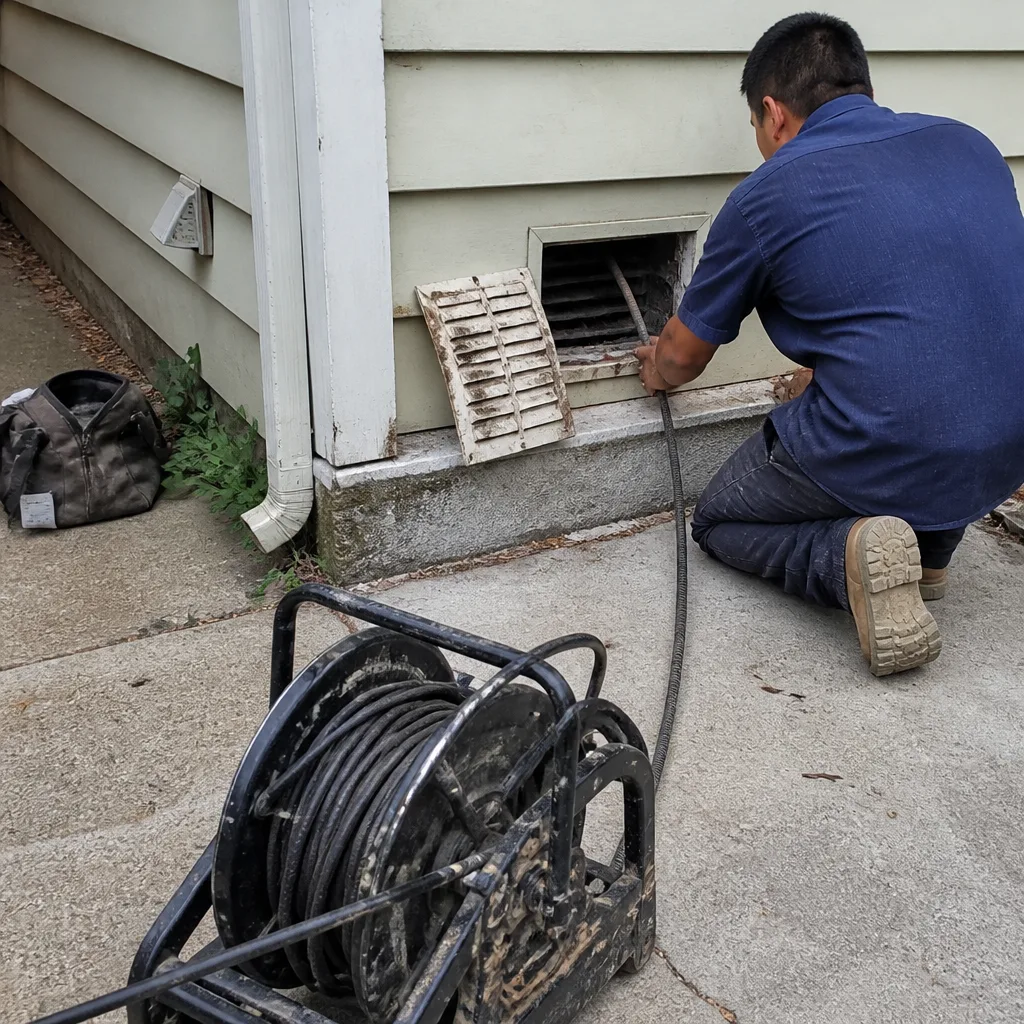
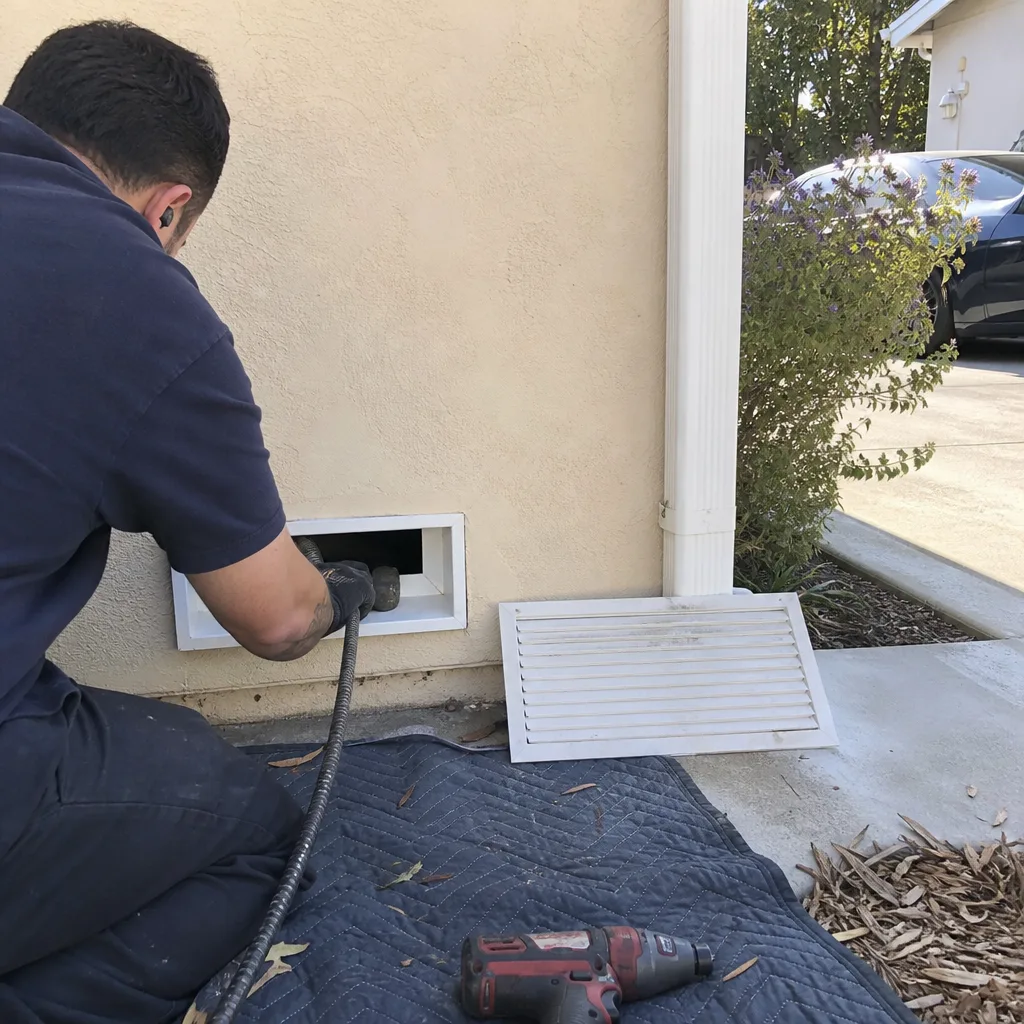
Whole-system duct and dryer vent check with before-and-after photos - you see exactly what came out of your vents
That "$99 whole-house special" is a bait ad - the real number appears once they are in your hallway, or the "clean" is a shop-vac at the register. We photograph the inside of your ducts before and after instead.
Air Duct Cleaning Warning Signs: A Ventura Homeowner’s Reference Guide
Most “warning sign” lists for air duct cleaning are vague enough to be useless. “Excess dust” means nothing when every home in Ventura County accumulates dust from coastal winds, dry hillsides, and daily life. This guide takes a different approach: each warning sign below is tied to specific, observable evidence you can verify in under five minutes with a flashlight and a screwdriver. We’ll cover what counts as a real signal, what doesn’t, and when a Ventura homeowner should act versus monitor. By the end, you’ll know more about your duct system than most technicians will expect you to know.
Styles & brands we work with
- Whole-home duct cleaning
- Dryer vent cleaning
- Camera inspection
- Sanitizing & deodorizing
Quick Answer
The clearest air duct cleaning warning signs in Ventura are dust that reappears within 48 hours of wiping registers, visible debris accumulation on duct interior surfaces when you remove a register and look inside, musty or stale odors that intensify when the HVAC runs, and measurable airflow reduction at multiple vents simultaneously. Any two of these together warrants a professional inspection. Call (855) 507-7508 for a free estimate if you see them.
| Warning Sign | What It Looks Like | Urgency Level |
|---|---|---|
| Dust returning within 48 hours of cleaning registers | Visible gray film on vent louvers two days after wiping | Moderate – schedule inspection |
| Visible debris inside duct at register opening | Gray or brown material, pet hair, or construction debris visible with flashlight | High – active contamination |
| Musty odor when HVAC runs | Damp, earthy smell from vents that fades when system is off | High – possible biological growth |
| Stale or dusty odor when HVAC runs | Dry, old-dust smell at startup, similar to an attic | Moderate – debris accumulation |
| Acrid or burning smell from vents | Electrical or scorched dust odor that does not fade | Immediate – shut system off, call HVAC technician |
| Airflow drop at multiple vents | Weak air output at several registers simultaneously | Moderate to high – possible blockage |
| Evidence of prior incomplete cleaning | Debris banding past first elbow, brush marks without suction evidence | Moderate – needs proper cleaning |
Table of Contents
- Dusty Registers Are Not the Warning Sign You Think
- The Five-Minute Register Flashlight Test
- Odor Diagnostics: Musty, Stale, and Acrid Smells Decoded
- Airflow Changes and What They Actually Tell You
- How to Spot an Incomplete Prior Cleaning
- When the Problem Is Beyond Cleaning: Leaks, Damage, Disconnects
- How Ventura’s Climate Accelerates Duct Contamination
- Common Mistakes to Avoid
- When to Call a Professional
- Frequently Asked Questions
- The Bottom Line
Dusty Registers Are Not the Warning Sign You Think
Every home has dusty registers. Ventura’s coastal air carries fine particulate from the ocean, from Highway 101 traffic, and from the dry hillsides that surround the city. This dust settles on horizontal surfaces, including vent louvers, and it tells you almost nothing about what’s inside your ducts. Wipe a register on Monday, and you’ll see dust again by Friday in most homes. That’s background accumulation, not a duct problem.
The actual warning sign is timing. Wipe a register thoroughly. If visible dust returns within 48 hours, and the HVAC has been running normally, that dust is being propelled from inside the duct system onto the register surface. It’s not falling from the room. It’s being pushed out. That distinction matters because it separates surface accumulation from active particle transport, and active transport means the duct interior has a debris load that’s breaking loose and circulating through your living space.
Here’s what to look for specifically:
- Dust color: Gray or brown dust returning quickly suggests fibrous debris from carpet, upholstery, and outdoor particulate that has settled inside ducts, or in some Ventura homes, fine sand and soil tracked in from beach trips or yard work.
- Dust pattern: Debris pushed from inside ducts tends to collect on the louvers themselves and the wall or ceiling directly adjacent to the register, rather than dispersing broadly across the room.
- Dust texture: Duct-sourced dust often feels grittier than room dust because it includes insulation fibers, drywall dust from construction, and other materials that entered the system during or after installation.
If you’ve lived in your Ventura home for more than three years and have never had the ducts cleaned, the system has been accumulating whatever your household generates: skin cells, pet dander, cooking aerosols, candle soot, and outdoor dust drawn in through the return. Some of that degrades inside the ducts. Some becomes a breeding medium. Dust returning within 48 hours is your cue to look deeper. Our Air Duct Cleaning in Ventura page covers what a full cleaning involves if you want to understand the process before deciding.
The Five-Minute Register Flashlight Test
You don’t need special tools or technical knowledge to assess your duct interior. You need a screwdriver, a flashlight, and about five minutes. This test works on any home in Ventura, from Midtown bungalows to East Ventura tract homes to hillside properties in Ondulando or Poinsettia Heights.
Follow these steps exactly:
- Turn off the HVAC system at the thermostat. You want no airflow while you’re looking.
- Remove a register cover. Most are held in place by two screws. Choose a register in a room you use daily, ideally one on the main floor or bedroom level. Use a Phillips or flathead screwdriver depending on the fastener.
- Shine the flashlight into the duct opening at a low angle rather than straight down. A low angle creates shadows that make debris visible. Straight-down lighting flattens what you’re seeing and hides texture.
- Look at the duct surface itself, not just the opening. You want to see the bottom of the duct, which is where debris settles. Look as far as the light will reach. Ideally, you’ll see bare sheet metal, flex duct interior, or insulation board that looks clean and dry.
- Photograph what you see with your phone. This gives you a baseline to compare after any cleaning, and a reference to show a technician. If someone tells you the ducts are dirty, you’ll know what they’re seeing.
- Repeat on one or two other registers in different parts of the house, then compare.
What you’re looking for:
- Fine gray dust coating the duct bottom: normal in small amounts, a warning sign if it’s thick enough to write in or if it clings to the top and side walls.
- Larger debris like pet hair balls, construction scraps, drywall chunks, or insect carcasses: a clear signal that the system needs attention.
- Dark staining or discoloration on duct surfaces: could indicate moisture history, especially in Ventura’s humid coastal summers. This warrants closer investigation.
- Visible mold growth: fuzzy, patchy, or colored growth on duct interior. Call a professional immediately. Keep in mind that only lab testing confirms mold, but visible growth is never normal. Our air duct cleaning service in Ventura addresses contamination with the same Nikro HEPA vacuum equipment used on remediation projects.
- Water staining or rust inside the duct: a sign of condensation issues or a leak that must be addressed separately from cleaning.
- Check the filter first. A dirty filter restricts airflow across the entire system. If you haven’t changed the filter in three months or more, do this before anything else. Use a MERV rating appropriate for your system, typically MERV 8 to 13 for residential HVAC. Homes using Honeywell or Aprilaire media filters can often go longer between changes, but monthly checks are still wise during high-use seasons.
- Compare airflow at different vents. Stand near each register with the system running. The airflow should feel roughly consistent room to room, accounting for normal design differences. If several rooms are weak while others are strong, suspect obstruction in the trunk line or branch ducts feeding those rooms.
- Feel the return air. Place a tissue near the return grille. It should be drawn toward the grille firmly. If return airflow is weak, the system is starved for air, which reduces supply airflow everywhere. Return ducts collect dust and debris at the same rate as supply ducts, sometimes faster because return air is unfiltered in many older Ventura homes.
- Note when the airflow changed. If airflow dropped suddenly, think about what happened around that time: remodeling, pest activity, roof work, plumbing work in walls or ceilings, or a prior cleaning that might have dislodged debris and pushed it deeper into the system. Debris that breaks loose during a cleaning and isn’t extracted properly can create new blockages downstream.
- Duct leakage: Gaps or holes at seams, joints, or connections allow conditioned air to escape into unconditioned spaces like attics and crawlspaces. You’re paying to heat or cool air that never reaches your rooms. Signs include unexplained high energy bills, rooms that never reach the thermostat setpoint, and dust or insulation particles in the air stream. In Ventura’s older housing stock, particularly homes built before the 1990s, duct sealing was often minimal or has degraded over time.
- Damaged insulation lining: Many ducts are lined inside with fiberglass insulation. Over years, this lining can break down, peel, or become water-damaged. Pieces of liner can enter the air stream. You might see fiberglass particles accumulating at registers, or feel a fine, itchy dust in the home.
- Disconnected sections: Flex duct can pull apart at connections, especially in attics where temperature swings cause materials to expand and contract. A disconnected section means a portion of your home gets no conditioned air at all, while the rest gets whatever that disconnected section is pulling from the attic. This is a repair issue, not a cleaning issue, though cleaning typically follows repair to remove whatever debris entered the open system.
- Crushed or kinked flex duct: Improper installation, storage boxes placed on duct runs, or wildlife activity in attics can crush flex duct. The airflow test described earlier often reveals this. The fix is replacement or re-supporting the crushed section.
- Treating dusty registers as a duct problem by themselves. As covered earlier, surface dust on registers is normal in Ventura. The signal is dust that returns within two days of wiping, which indicates dust being pushed from inside the ducts rather than settling from the room.
- Changing visibility without changing the underlying cause. Running the HVAC fan continuously to “flush out” dust can temporarily mask the problem while spreading more particulate through the home. It doesn’t remove the source, and in humid periods it can worsen moisture issues inside ducts.
- Hiring a company that uses a single vacuum at the register. Duct cleaning that relies solely on suction at the register cannot remove debris past the first elbow. The method physically cannot reach most of the system. Ask specifically whether agitation is used and what brand of equipment runs during the cleaning.
- Ignoring odor that only appears with the system running. A musty or stale smell that tracks with HVAC operation points inside the system. Waiting means the underlying issue gets worse and possibly more expensive to correct, especially if it involves moisture or growth.
- Assuming airflow problems are always the HVAC unit’s fault. Many Ventura homeowners replace or service equipment when the real restriction is in the ductwork. A duct assessment is less expensive than a compressor or blower replacement and often resolves the symptom.
- Skipping dryer vent cleaning while addressing the rest of the system. Ducts and dryer vents are separate systems with different failure modes. Dryer lint accumulation is a documented fire hazard, per NFPA data, and a leading cause of preventable home fires. Dryer Vent Cleaning in Ventura is a distinct service with its own inspection and cleaning protocol.
- Believing that duct cleaning fixes every IAQ issue. Cleaning removes accumulated debris. It doesn’t address ventilation rates, filtration quality, humidity control, or outdoor air intrusion. A complete IAQ improvement plan may include filtration upgrades from Honeywell or Aprilaire, source control, and HVAC adjustments alongside cleaning.
When we inspect ducts in Ventura homes, we find the most significant debris accumulation in systems that are 10 years old or older, or in homes that have undergone remodeling without proper duct sealing. Drywall dust, sawdust, and paint overspray enter the system during construction and remain there for years. The flashlight test reveals it immediately.
Odor Diagnostics: Musty, Stale, and Acrid Smells Decoded
Odors from vents fall into three broad categories, and each points to a different underlying condition. Knowing the difference saves you from pursuing the wrong fix. Here’s how to distinguish them.
Musty Odor: Biological Activity
A musty smell from your vents is described by most people as “earthy,” “damp,” “like a basement,” or “like old wet cardboard.” It’s the smell of biological activity, and it typically intensifies when the HVAC fan runs because air movement draws volatile organic compounds from the growth source into your living space. In Ventura’s climate, with its June Gloom humidity and mild winter dampness, condensation inside ducts can occur when warm indoor air meets cooler duct surfaces, especially in unconditioned attic spaces.
Musty means moisture, and moisture means conditions exist for growth. The source might be a condensation problem in the HVAC system itself, a leak around the evaporator coil, a clogged condensate drain, or outside moisture intrusion. Cleaning the ducts without addressing the moisture source means the problem will return. If you smell mustiness that fades when the system is off and returns when it runs, you’re smelling something inside the duct system or air handler, not in the room itself.
Stale Odor: Debris Accumulation
A stale smell, described as “like an attic” or “old dust” or “a room that hasn’t been opened in years,” usually means one thing: accumulated debris inside the ducts that has been there long enough to break down and off-gas. It’s dry, not damp. It often appears when the system first starts after sitting idle, especially at the beginning of Ventura’s cooling season when HVAC systems in this area run frequently in late summer and early fall.
Stale smells are the classic sign of a duct system that has never been cleaned or was poorly cleaned. Dust, skin cells, pet dander, and insect matter degrade over time and release odor compounds. A proper cleaning removes this material at the source using contact agitation, not just vacuum, which is why we run Rotobrush contact-cleaning equipment through every duct rather than simply sucking at the register opening.
Acrid Odor: Electrical or Pest Issue
An acrid smell, described as “burning,” “electrical,” “chemical,” or “like hot plastic,” is different. This smell is not a cleaning issue. It indicates something that requires immediate investigation: overheated motor windings, failing capacitor, melting insulation on wiring, or pest activity like rodents that have chewed into wiring or died inside the system. Turn the HVAC off at the thermostat and at the breaker if the smell is strong, and call an HVAC technician before using the system again. Duct cleaning is not the appropriate response to an acrid smell, though it may be part of the remediation after the underlying problem is identified and fixed.
One more Ventura-specific note: homes near the ocean can develop a slightly briny or marine odor in ducts due to salt air drawn into the system. This is normal and distinct from musty or stale. It’s caused by the same coastal environment that rusts bicycles left outside. A marine smell alone does not indicate a duct problem.
Airflow Changes and What They Actually Tell You
Reduced airflow at a single vent usually means something local: a damper issue, a crushed flex duct section, or a vent that was closed manually. Reduced airflow at multiple vents simultaneously tells a different story. It suggests a systemic issue, and that’s when duct condition enters the picture.
Here’s a simple diagnostic sequence to determine whether your airflow problem is duct-related:
Restricted airflow, whatever its cause, has real costs beyond comfort. Your HVAC works harder to move air through a constricted path, which increases energy consumption, shortens equipment life, and can cause the evaporator coil to freeze or overheat in extreme cases. If you’ve ruled out the filter and the problem persists across multiple vents, the ducts are a prime suspect. A professional inspection of the duct interior, not just the equipment, is the next step. If the assessment reveals damaged sections, we also handle Air Duct Repair in Ventura as part of the same service visit.
How to Spot an Incomplete Prior Cleaning
Not all duct cleanings are equal. The industry varies widely in method and thoroughness, and Ventura homeowners sometimes discover they’ve paid for a service that barely touched the system. Here’s how to assess whether a prior cleaning actually reached the ducts you paid to have cleaned.
Debris Banding Past the First Elbow
Duct systems have turns. The first elbow or bend after the register or after the plenum is where a cleaning method that relies solely on a vacuum at the register will lose effectiveness. A powerful vacuum can pull debris from the straight run near the register, but without mechanical agitation deeper in the system, packed debris past the first elbow stays where it is. If you look into a duct with your flashlight and see a clear section near the register followed by visible debris accumulation deeper in, that’s the signature of a shallow cleaning. The debris wasn’t removed. It was just beyond the reach of whatever method the previous company used.
Brush Scoring Without Suction Evidence
Rotary brush systems physically agitate duct walls to break debris loose. But agitation without adequate extraction just creates airborne dust that settles elsewhere or gets pushed into the home. If you see brush marks, scoring, or cleaning trails on duct surfaces along with excessive dust that returned quickly after the cleaning, the extraction side was inadequate. Proper cleaning pairs agitation with negative-pressure extraction. That’s why our duct cleaning service uses Rotobrush contact-cleaning combined with Nikro HEPA vacuum equipment to pull loosened debris out of the system rather than stirring it up and leaving half of it in place. We also run Abatement Technologies equipment on jobs where containment matters, a brand built for negative-pressure air control in remediation settings.
No Documentation of Prior Cleaning
A professional cleaning should produce documentation: photos of duct interiors before and after, a record of what was done, and an honest description of what was found. If you’re told the ducts were cleaned and you have no photos, no report, and no evidence beyond an invoice, you have no way to verify the work. This matters for warranty discussions, for future resale, and for your own peace of mind. Before-and-after photos are the industry’s best proof of work. Ask for them. If a company won’t provide or can’t produce photos of your actual duct interiors, consider that a red flag for the next time you hire someone.
When the Problem Is Beyond Cleaning: Leaks, Damage, Disconnects
Duct cleaning removes debris. It does not repair structural problems. During a typical inspection in a Ventura home, we sometimes find conditions that cleaning alone cannot solve, and it’s important for homeowners to understand the difference. These are the most common issues we see that require Air Duct Repair in Ventura:
Here’s the practical takeaway: if your warning signs include weak airflow, fiberglass particles at registers, or rooms that never reach temperature, you may have a structural duct problem, not merely a dirty system. A proper assessment starts with visual inspection and airflow testing. Cleaning may be part of the solution, but repair comes first or concurrently. Working with a company that handles both, as we do in Ventura, means one diagnosis and one fix rather than two vendors and two trips.
How Ventura’s Climate Accelerates Duct Contamination
Ventura’s specific climate shapes how quickly ducts get dirty and what kind of contamination homeowners face. Understanding this helps you calibrate maintenance intervals and recognize normal from abnormal.
The city sits in a Mediterranean climate zone with mild, wet winters and dry, warm-to-hot summers. But what makes Ventura’s location unique for duct systems is the combination of coastal humidity, marine layer influence, and seasonal Santa Ana wind events. Each affects ducts differently.
Marine Layer and Humidity
June Gloom and the broader marine layer season bring mornings of high humidity, often 85 to 95 percent relative humidity near the coast and through the Ventura Avenue and Midtown areas. When humid outdoor air is drawn into return ducts and encounters cooler duct surfaces in crawlspaces or attics, condensation can form inside the ductwork. This is especially common in homes where ducts run through unconditioned spaces and where the HVAC system short-cycles rather than running long enough to dry the system. Moisture inside ducts is the prerequisite for biological growth, dust adhesion, and duct lining deterioration. Homes within a mile or two of the ocean experience this more than inland properties in East Ventura or the Saticoy area.
Santa Ana Winds and Particulate Load
Santa Ana events, typically in fall, bring dry, dusty air from the interior. Fine particulate from the Los Padres National Forest, from agricultural land surrounding Ventura County, and from construction sites across the region gets pulled into homes through any opening, including HVAC returns. Homes with older, leaky duct systems in attic spaces draw in this outside air more readily than homes with sealed ducts. The result is a seasonal surge in dust load that settles inside ducts and circulates through the home for months afterward. If you notice dust returning within 48 hours more in October and November than in other months, Santa Anas are probably a contributing factor, and your ducts are holding that material rather than passing it through cleanly.
The Replacement Cycle for Ventura Homes
Given these conditions, most Ventura homes benefit from duct inspection every three to five years and cleaning when evidence warrants it, regardless of a fixed schedule. Homes with pets, recent remodeling, or occupants with respiratory sensitivities may need attention more frequently. Homes near the beach with persistent humidity issues may also need more frequent monitoring. The flashlight test described earlier is a good annual habit, particularly in October, to check what the previous year has deposited in the system.
When you do clean, equipment matters. Rotobrush contact-cleaning removes debris bonded to duct walls that a simple vacuum cannot, and Nikro HEPA filtration ensures what’s removed stays removed, not redistributed through the home. For Ventura homeowners who want to go further, filtration upgrades from Honeywell or Aprilaire, properly integrated, reduce the load that enters the system in the first place.
Common Mistakes to Avoid
When to Call a Professional
Some conditions are clear calls for professional assessment rather than continued observation. You should call if you see visible debris accumulating inside ducts at the register opening, if dust returns within 48 hours of wiping registers in multiple rooms, if musty odor intensifies with the HVAC running, if airflow has dropped at several vents simultaneously after ruling out the filter, or if you find evidence that a prior cleaning was incomplete. Also call if anyone in the home has unexplained respiratory symptoms that improve away from the house. Air Duct Cleaning Ventura offers free estimates in Ventura – call (855) 507-7508 to schedule an inspection. We’ll tell you straight whether cleaning is warranted or whether the real issue is filtration, repair, or something else entirely. No one benefits from cleaning ducts that don’t need it.
Frequently Asked Questions
Air duct cleaning for a typical single-family Ventura home runs from about $350 to $800 depending on the number of registers, the accessibility of the duct system, the level of contamination, and whether additional services like dryer vent cleaning or duct repair are needed. Homes with multiple HVAC systems or extensive contamination fall above that range. Call (855) 507-7508 for a specific quote – we provide free estimates and one flat price per system before any work begins.
You need cleaning if you see visible debris inside the ducts when removing a register cover, dust returns within 48 hours of wiping registers, musty or stale odors come from vents when the HVAC runs, or airflow has dropped at multiple vents with a clean filter in place. Any single sign warrants a closer look; two or more together warrant a professional inspection.
You can wipe register covers, replace filters, and keep return grilles free of obstruction. You cannot effectively clean the interior surfaces of a residential duct system without professional equipment designed to agitate debris and extract it under negative pressure. Consumer rental equipment and improvised methods typically make the situation worse by dislodging debris without adequately removing it, which redistributes the material through your home. Rotobrush contact-cleaning and Nikro HEPA extraction are the professional standard for a reason.
Most Ventura homes benefit from visual inspection every three to five years, with cleaning performed when evidence supports it rather than on a fixed schedule. Coastal homes with humidity issues, homes with pets, and homes that have undergone remodeling may need attention more frequently. The flashlight test described in this guide is the most direct way to monitor your system between professional evaluations.
Duct cleaning addresses the HVAC distribution system: the metal and flex ducts that carry conditioned air to your rooms and return air back to the equipment. Dryer vent cleaning addresses the separate exhaust tube that carries hot, lint-laden air from your clothes dryer to the outside. Dryer vents accumulate flammable lint and are a leading cause of household fires per NFPA documentation. The two systems require different tools and procedures. We handle both, plus dryer vent cleaning in Ventura as a dedicated service.
Quotes vary because methods, equipment, and scope differ dramatically. A company that spends 45 minutes vacuuming at register openings with a portable shop-style vacuum can quote a low price and leave most of the debris in place. A company that agitates each duct with contact-cleaning equipment and extracts under HEPA-filtered negative pressure spends more time per duct and charges accordingly. If a quote seems too low to be true, it almost certainly represents a method that cannot deliver a thorough result. Ask about equipment brands and method before comparing prices. Call (855) 507-7508 and we’ll walk you through exactly what we do and why.
The Bottom Line
Duct cleaning warning signs are specific and observable, not vague and subjective. Dust that returns within two days of wiping registers indicates active particle transport from inside the ducts. Visible debris at the register opening, accessed with a simple flashlight test, confirms accumulation. Musty odors point to moisture and biological activity; stale odors point to long-accumulated debris; acrid odors point to equipment or pest issues outside cleaning scope. Airflow changes across multiple vents suggest systemic constraints, often in the ductwork rather than the equipment. Ventura’s climate, with its marine layer humidity and Santa Ana particulate surges, creates conditions that reward regular inspection and honest assessment. When evidence says the system needs work, choose equipment and process you can verify. We use Rotobrush contact-cleaning and Nikro HEPA extraction, and we document before-and-after results you can see. Call (855) 507-7508 for a free estimate, and you’ll get a straight answer about what your ducts need and what they don’t.
Written by the team at Air Duct Cleaning Ventura, serving Ventura since 2017.
See the difference
 Before
 After
 Before
 After
 Before
 After