
Last updated November 2, 2026
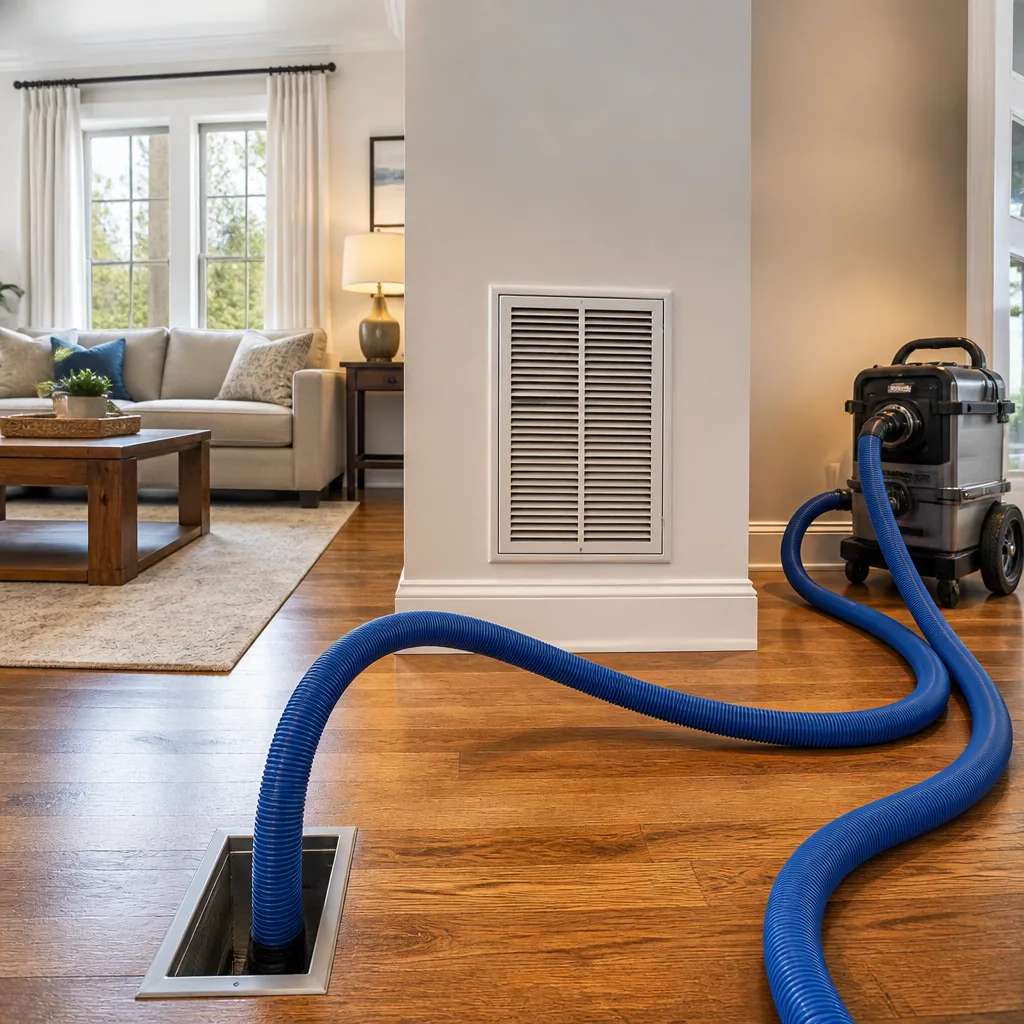 Whole-home duct cleaning
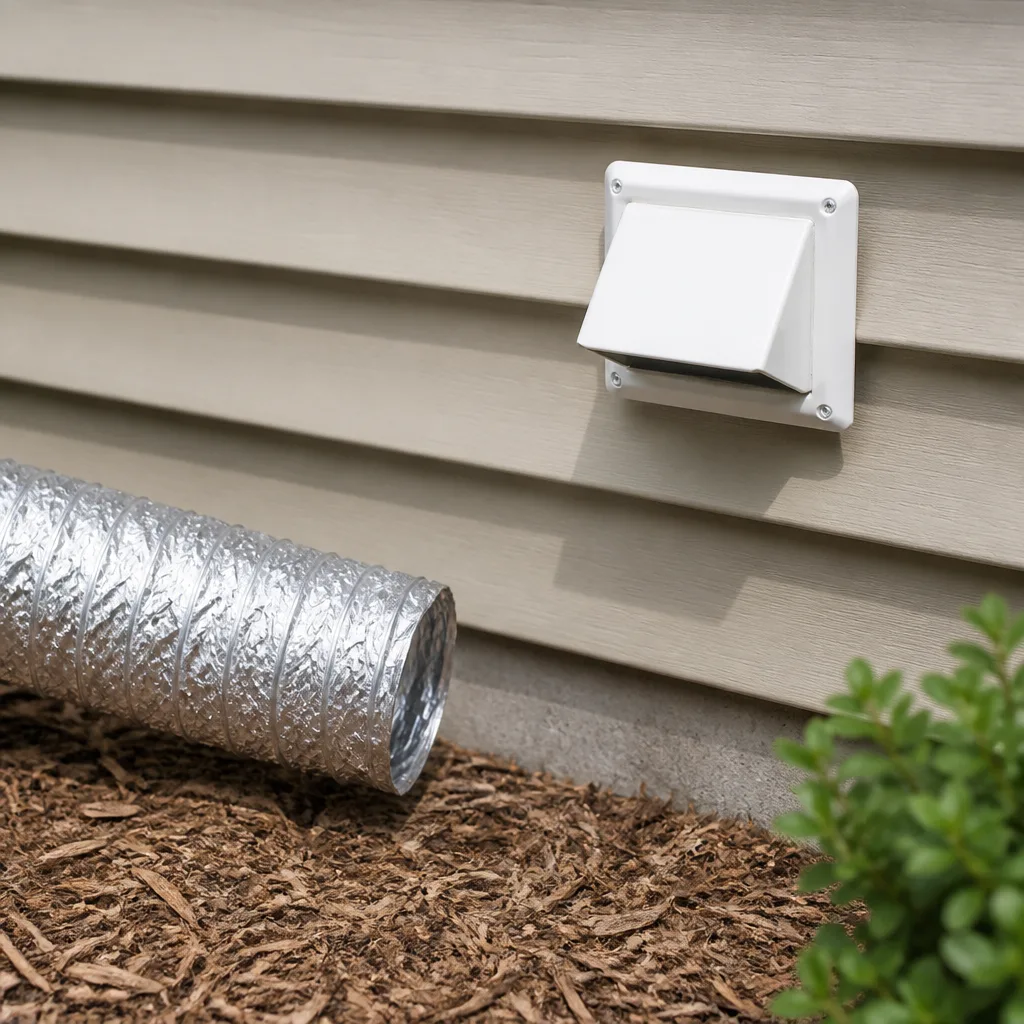 Dryer vent cleaning
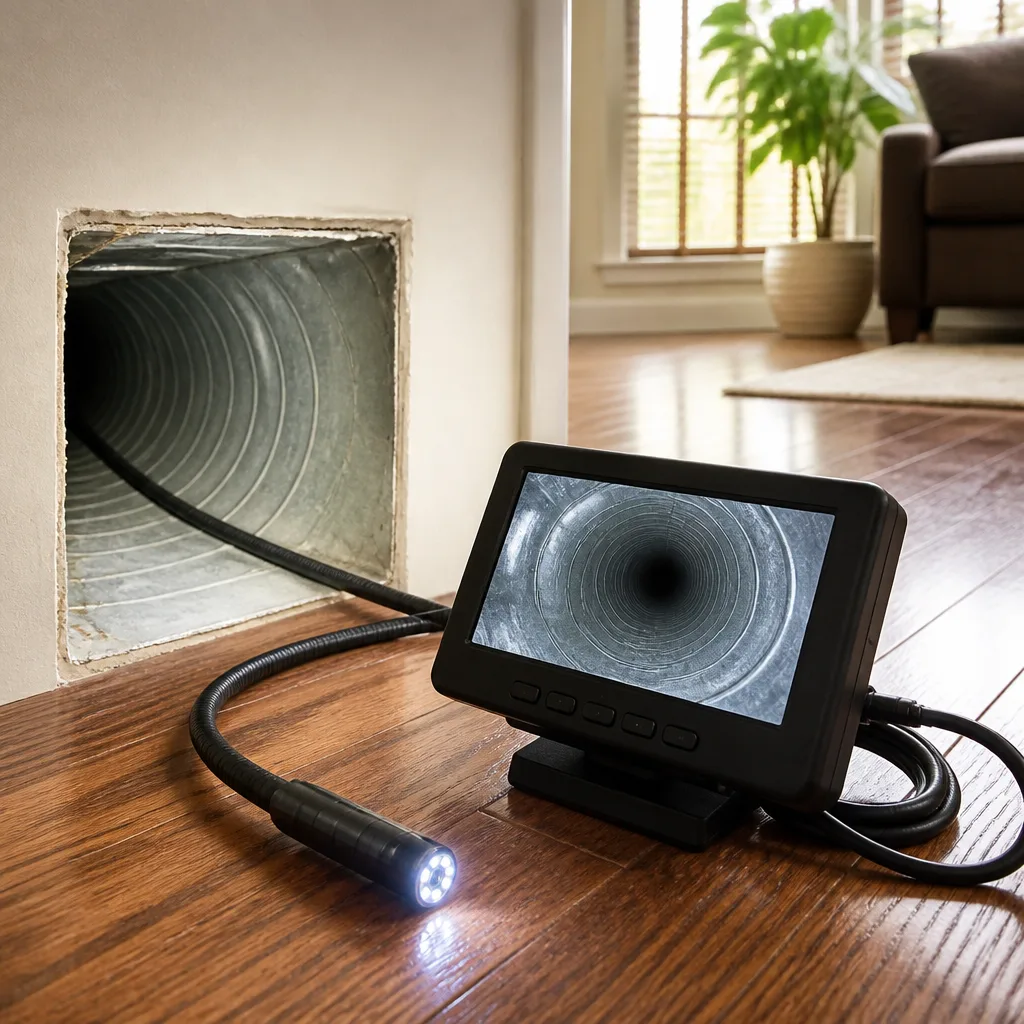 Camera inspection
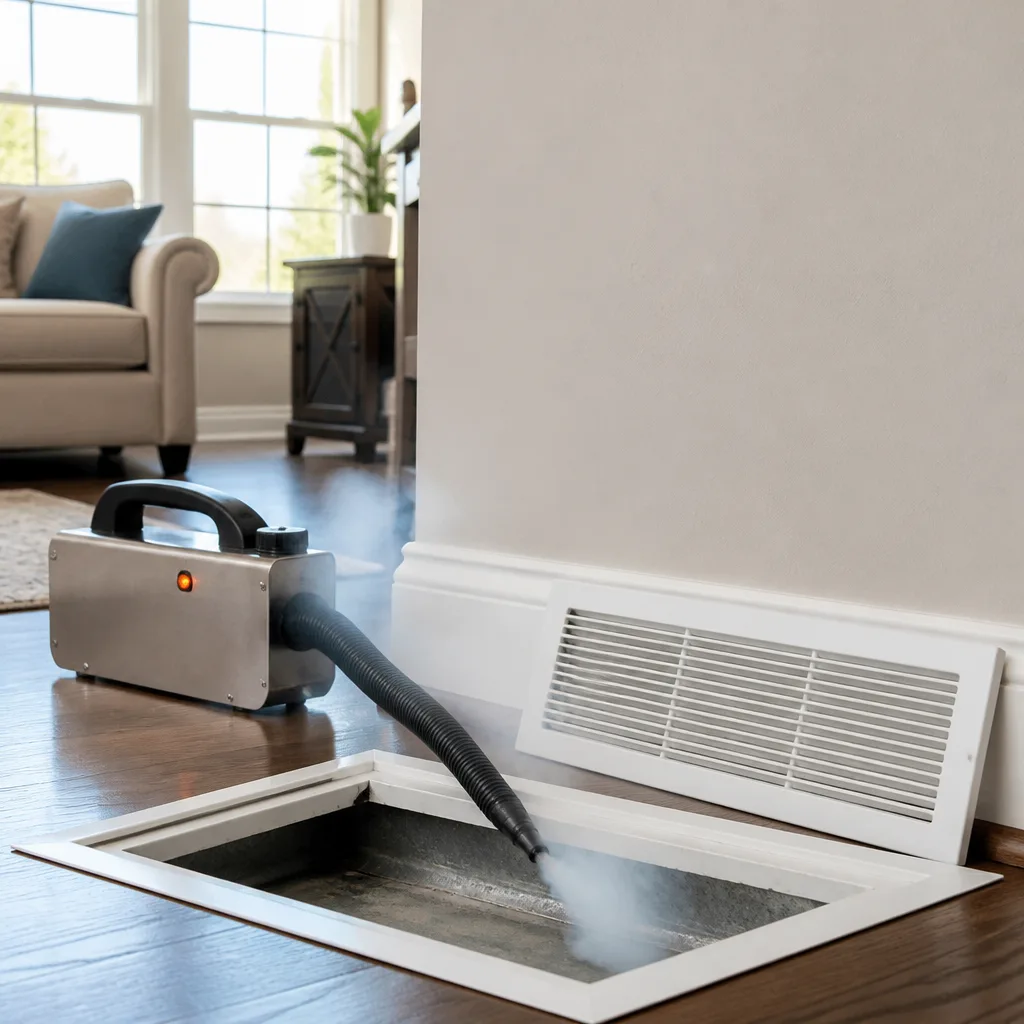 Sanitizing & deodorizing
Whole-system duct and dryer vent check with before-and-after photos - you see exactly what came out of your vents
That "$99 whole-house special" is a bait ad - the real number appears once they are in your hallway, or the "clean" is a shop-vac at the register. We photograph the inside of your ducts before and after instead.
Air Duct Cleaning Maintenance Checklist for Ventura Homeowners
The 3-to-5-year duct cleaning rule was never built for Ventura. It’s a national average that collapses under local reality. A home in midtown Ventura, five blocks from the marine layer, accumulates different contamination than a hillside property above Foothill Road that caught ash drift during fire season. And a household with two retrievers sleeping beside the return vent in their East Ventura living room has a completely different timeline than a retired couple in a Keys condo with no pets and a MERV 13 filter. This guide replaces the generic interval with a condition-based framework. You’ll learn what to check monthly, what to inspect annually, and exactly which findings mean it’s time to stop looking and start calling.
Quick Answer
An honest air duct cleaning maintenance checklist for Ventura homeowners has three tiers: monthly filter checks, annual visual inspections at accessible registers, and professional cleaning triggered by specific findings – not a calendar. Trigger points include visible dust accumulation on register grilles within weeks of cleaning, musty odors when the system cycles on, reduced airflow from multiple vents, or known exposure events like nearby wildfire smoke or renovation dust. Most Ventura homes need professional cleaning every 2 to 4 years, but the range stretches from 18 months to 6+ years depending on filter quality, pets, and proximity to the coast or fire corridors.
Styles & brands we work with
- Whole-home duct cleaning
- Dryer vent cleaning
- Camera inspection
- Sanitizing & deodorizing
Table of Contents
- Why Condition-Based Beats Calendar-Based in Ventura
- Monthly Checklist: The 10-Minute Filter and Register Walk
- Annual Inspection: Documenting Duct Condition at the Register
- Ventura-Specific Contamination Factors Most Guides Ignore
- How Filter MERV Ratings Actually Affect Cleaning Intervals
- Red-Flag Findings That Escalate to Professional Intervention
- What You Can Check Yourself vs. What Requires Equipment
- After a Professional Cleaning: Verification and Maintenance Reset
Why Condition-Based Beats Calendar-Based in Ventura
The “every 3 to 5 years” guidance you see on most contractor websites traces back to industry trade association recommendations that were written for a national audience. They had to be broad enough to cover a Phoenix tract home and a Seattle craftsman. Ventura doesn’t fit neatly into that envelope, and here’s the problem: if you clean too early, you spend money on a system that didn’t need it yet. If you clean too late, you’re circulating whatever accumulated through every cycle, and your blower motor is working against resistance it shouldn’t have to fight.
Ventura’s coastal climate creates a specific contamination profile. The marine layer that rolls through the avenues between October and June keeps humidity levels elevated enough for dust to adhere to duct walls rather than blow through as dry particulate. Dust that sticks becomes a substrate. Add pet dander, candle soot, cooking aerosols, and the fine particulates that drift over from the 101 corridor, and you get a coating that builds faster than it would in a dry inland climate like Santa Clarita or Palmdale. This is one reason we approach Air Duct Cleaning in Ventura as a condition-driven service rather than a fixed schedule.
A smarter framework asks three questions: What is your filter actually capturing? What is entering the system from inside your home? And what is entering from outside? Answer those honestly, and your cleaning interval reveals itself. The checklists below give you the tools to answer them.
Three Variables That Determine Your Actual Interval
- Filter effectiveness: A fiberglass panel filter catches large debris but lets fine dust pass into the ductwork. A MERV 11 or higher pleated filter captures far more, reducing what reaches the ducts in the first place.
- Interior particulate load: Pets, candles, incense, frequent cooking with oil, smoking, and even high-traffic carpet all generate particles that get pulled into return air.
- Exterior exposure: Proximity to the coast, wildfire smoke events, construction activity in your neighborhood, and whether windows are routinely left open during Santa Ana winds all matter.
The practical result: a midtown Ventura bungalow with original 1960s ductwork, two cats, and a MERV 4 filter may genuinely need service every 18 to 24 months. A newer home in the Ventura hills with sealed supply runs, no pets, and a MERV 13 filter might go 5 or 6 years between professional cleanings. Both are correct. Both are Ventura. Only condition tells you which one you are.
Monthly Checklist: The 10-Minute Filter and Register Walk
This is the tier that every homeowner can do without tools, without training, and without disrupting anything. The goal is not to clean anything. The goal is to establish a baseline and notice changes early. Ten minutes, once a month, ideally on the same day you pay your utility bill so it becomes a habit.
Step-by-Step Monthly Inspection
- Check the filter: Remove it and hold it up to a light source. If you can’t see light through it, it’s past due. For 1-inch pleated filters, replace every 1 to 3 months depending on household load. Write the install date on the filter frame with a permanent marker so there’s no guessing.
- Look at the filter’s dirty side: Is the accumulated material gray and powdery? That’s mostly dust and dander. Is it dark, greasy, or sticky? That points to cooking aerosols or candle soot, which coat duct walls differently and accelerate buildup.
- Wipe one supply register in the most-used room: Use a damp white cloth. Let it dry. Look at what came off. This is a snapshot of what’s been blowing into your living space recently.
- Check return registers for visible accumulation: Returns pull room air into the system, so they show you what the duct interior is receiving. Visible dust or pet hair accumulating on the grille within a month of cleaning it is a meaningful signal.
- Note any new odors: Turn the system on and stand near a supply vent. Musty, stale, or “sock-like” smells that appear when the air moves, then fade, often indicate microbial growth on the coil or in the duct lining, fed by Ventura’s coastal humidity.
The monthly walk is about data collection. Keep a simple note on your phone. One line is enough: “March 14 – filter replaced, returns dusty again, no odor.” Over six months, that log tells you more than any national guideline ever will. It also gives any professional you eventually call a baseline that shortens diagnosis. When we arrive at an Air Duct Cleaning Ventura home and the homeowner can tell us their filter history and register observations, we can target the service instead of guessing at it.
Monthly Log Template
- Date: [Month/Day]
- Filter replaced or cleaned: Yes / No / Not due
- Filter appearance: Light / Moderate / Heavy / Greasy
- Register dust in living area: None / Light / Visible within 2 weeks
- Odors when system runs: None / Musty / Burnt dust / Other
- Any changes since last month: [One sentence or less]
Annual Inspection: Documenting Duct Condition at the Register
Once a year, go deeper. This is a 30-to-45-minute inspection that gives you a photographic record of what’s happening inside your system. The habit costs nothing, and it does something most Ventura homeowners never get: a visual timeline of duct condition that can settle disputes, justify service, or confirm that your current maintenance routine is working.
Equipment You Need
- A smartphone with a flash
- A Phillips or flathead screwdriver to remove register covers
- A damp white cloth
- A flashlight or headlamp
- A small handheld mirror (optional but useful)
Annual Inspection Protocol
- Photograph every register before touching anything: Remove the cover and take two photos: one straight down the duct run, one angled to show the duct wall. Store them in a folder named with the date. This is your baseline.
- Examine the first 12 to 18 inches of duct visible from each register: This is not the whole system, but it’s an honest sample. Look for dust accumulation, debris, or visible growth. Duct walls should look like sheet metal. If they look fuzzy or coated, that’s contamination.
- Compare photos year over year: The difference between images tells you whether buildup is happening slowly or quickly. A barely-visible change over 12 months suggests your interval is fine. A dramatic change means your filter isn’t doing its job or something else is loading the system.
- Check supply boots for gaps: The metal collar where the duct meets the register should sit flush. Gaps pull attic or crawlspace air into the airstream, which bypasses your filter entirely. In Ventura’s older housing stock – much of midtown and the Avenue district dates to the 1940s through 1970s – boot gaps are extremely common.
- Document anything that looks wet or stained: Water staining on duct exteriors or register surrounds can point to condensation problems driven by the marine layer. Moisture plus dust equals the conditions for microbial growth.
The photo log is not busywork. It’s the same principle a mechanic uses when they show you the brake pads they removed. When you can see the difference between year one and year three, the decision to clean – or to wait – becomes evidence-based instead of salesman-based. And if you ever need Air Duct Repair in Ventura, documentation of boot gaps or damaged sections lets a technician quote accurately before opening walls or crawling the attic.
Ventura-Specific Contamination Factors Most Guides Ignore
Generic duct cleaning guides treat every home as if it sits in a climate-controlled vacuum. They don’t. Your home’s location within Ventura shapes what accumulates in your ducts, how fast it accumulates, and what it consists of. Here are the factors that actually matter here.
Marine Layer Humidity
Ventura gets roughly 220 to 260 days of coastal overcast per year, concentrated between May and August and again through the winter. The marine layer doesn’t just make June gloomy – it keeps ambient humidity levels in the 60 to 80 percent range for long stretches. Inside unconditioned duct runs in attics and crawlspaces, that humidity causes fine dust to adhere to metal surfaces. Once adhered, the dust layer holds moisture itself. Then more dust sticks to that. The result is a coated duct wall that wouldn’t form in a dry climate. This is why identical homes in Ventura and Santa Clarita, with identical occupants, develop completely different duct conditions in the same timeframe.
Wildfire Ash and Smoke Particulates
The Thomas Fire burned through Ventura County in December 2017 and dumped ash across the city. Since then, every fire season brings at least one smoke event where outdoor air quality degrades for days or weeks. During these events, your HVAC system pulls outdoor air through fresh-air intakes, and whatever the filter doesn’t catch moves into the supply side. Ash is fine, abrasive, and chemically distinct from household dust. It also carries odor compounds that linger. Homes that ran their systems heavily during the Thomas Fire or subsequent smoke days – and that’s most Ventura homes – processed particulate loads that a normal maintenance schedule never accounted for.
Older Stucco and Plaster Construction Dust
A significant portion of Ventura’s housing stock was built between the 1940s and 1970s. Stucco exteriors and plaster interior walls were standard. Both materials shed fine particulate as they age – especially in homes that have settled and developed micro-cracks. Add in the routine patching and repair that stucco requires, and the indoor dust load in these homes runs higher than in newer properties. Remodel work amplifies this dramatically: cutting into plaster walls, sanding, and demo work produces dust that exits the room and enters the return system almost immediately.
Proximity to the 101 and Agricultural Dust
The 101 corridor runs directly through Ventura, and prevailing winds carry freeway particulate – tire dust, brake dust, exhaust residue – into neighborhoods east of the freeway more than those to the west. Homes near agricultural operations in the Saticoy area or east toward Santa Paula also see seasonal dust from field work. This exterior particulate finds its way in through open windows, door gaps, and fresh-air intakes. Once inside, the return system pulls it into the ductwork.
The point is not that Ventura is uniquely contaminated. The point is that your home’s exposure profile is specific, and a maintenance checklist that ignores it is not a checklist at all. It’s a guess.
How Filter MERV Ratings Actually Affect Cleaning Intervals
Most homeowners assume a higher MERV rating means less duct contamination and therefore longer cleaning intervals. That’s half true. The other half is that higher MERV ratings create their own maintenance demands, and ignoring those demands shortens equipment life and can actually increase contamination in certain failure modes.
MERV Basics That Matter for Duct Maintenance
- MERV 1-4 (fiberglass panel): Catches insects, dust bunnies, large debris. Allows fine dust, pollen, dander, and smoke particles to pass through and deposit in the ductwork. Ducts with this filter type accumulate contamination quickly.
- MERV 5-8 (basic pleated): Captures pollen, dust mites, and some dander. A meaningful step up, but still allows finer particulates through. This is the most common range in Ventura homes.
- MERV 9-12 (higher-efficiency pleated): Captures most dust, dander, and some smoke particulates. Noticeably reduces what reaches the ducts. Requires more frequent filter changes because it loads faster.
- MERV 13-16 (high-efficiency): Captures smoke, fine particulates, bacteria, and virus carriers. This is the range where health-oriented Ventura homeowners with allergies or respiratory conditions often land. High airflow resistance requires a system designed for it.
The Critical Interaction: Static Pressure and Filter Replacement
A higher-MERV filter is denser. Denser filters increase static pressure – the resistance air meets as it moves through the system. If you ignore a loaded MERV 11 or 13 filter for too long, the airflow restriction rises, and the system responds in ways that damage both equipment and ducts. Blower motors work harder. Air velocity drops. And in a Ventura summer, when the system runs constantly through August heat, a neglected high-MERV filter can cause the coil to freeze or the blower to overheat.
Here’s the counterintuitive part: a high-MERV filter that’s changed on schedule genuinely does reduce duct contamination, and can extend the interval between professional cleanings. But a high-MERV filter that’s neglected creates a different problem – the system pulls air through gaps in the filter rack or around duct joints because the filter path is too restrictive. That unfiltered air bypasses entirely and deposits whatever it carries straight into the supply side. So the golden rule for Ventura homeowners: higher MERV is better only if you commit to the replacement schedule. If you’re not going to change a MERV 13 every 60 to 90 days, drop to a MERV 8 and change it reliably. The ductwork will be cleaner either way.
Families considering upgrade options often ask about whole-home filtration. Products like Aprilaire media filters and Honeywell electronic air cleaners are designed to work as system-level filtration, not just a 1-inch slot filter, and they change the calculus on both static pressure and particulate capture. The right fit depends on your specific furnace or air handler, but the principle holds: better filtration, properly maintained, means less contamination reaching the ducts. If you want to pair a duct cleaning with a filtration upgrade, talk to a contractor who actually carries those lines and can size them correctly rather than dropping a universal filter into an existing slot.
Red-Flag Findings That Escalate to Professional Intervention
Most maintenance is about waiting and watching. But some findings should end the observation period immediately. These are conditions where waiting makes the problem worse, not just dirtier.
Escalation Triggers: What Professionals Actually Worry About
- Visible microbial growth: If you see anything that looks like mold – dark staining, fuzzy texture, speckled discoloration – on duct surfaces, register interiors, or insulation, stop investigating. Disturbing it spreads spores. This requires professional assessment with containment protocols. Abatement Technologies equipment, standard in remediation work, exists specifically for this scenario: negative air pressure and containment keep whatever is in the ducts from entering living space.
- Water in ducts or water staining on ceiling registers: Water enters ducts through roof leaks, condensation from uninsulated runs, or plumbing issues. Wet duct interiors accelerate biological growth and can compromise duct insulation. If you see staining, find the source.
- Disconnected or collapsed duct sections: Visible sagging in flex duct, gaps at boots, or a register that suddenly blows weakly suggests a section has disconnected or collapsed in the attic or crawlspace. This isn’t a cleaning issue – it’s a repair issue, and airflow isn’t reaching rooms until it’s fixed.
- Pest evidence inside ductwork: Rodent droppings, nesting material, or dead insects in register boots mean the system has been breached. This is a health issue, not a maintenance issue. The ducts need cleaning and the entry point needs sealing.
- Persistent burning or ozone odor when heat runs: First time heating season starts, a burnt-dust smell for a few hours is normal. If it persists, or if you smell something electrical or acrid, shut the system down and have it checked.
These findings don’t mean the sky is falling. They mean the maintenance phase is over and the intervention phase has begun. The good news is Ventura has local professionals who can address all of them – and the best ones show up with the right equipment, not a shop vac and a coupon. When a crew arrives with Rotobrush contact-cleaning systems and Nikro HEPA-rated vacuums, you know they’re set up to physically agitate and extract debris from duct walls, not just blow it around. That distinction matters when you’re dealing with anything beyond routine dust.
What You Can Check Yourself vs. What Requires Equipment
There’s a clean line between homeowner inspection and professional cleaning, and it’s drawn by reach and equipment. You can inspect the first foot of ductwork from each register. You cannot inspect the interior of a 30-foot supply run that snakes through an attic. You can replace a filter. You cannot clean the blower wheel, evaporator coil, or the interior surfaces of duct runs without professional tools.
Homeowner-Appropriate Tasks
- Monthly filter checks and replacement
- Register face cleaning with a damp cloth
- Visual inspection of the first 12 to 18 inches of visible duct at each register
- Annual photo documentation
- Checking for boot gaps, loose register covers, and obvious damage
- Monitoring airflow feel and noting changes room to room
- Checking the condensate drain line for clogs (a wet/dry vac on the exterior drain point works)
Professional-Only Tasks
- Interior duct surface cleaning along full runs
- Contact agitation of duct walls to dislodge adhered debris
- HEPA-filtered vacuum collection of dislodged material
- Evaporator coil and blower wheel cleaning
- Duct sanitization or antimicrobial treatment
- Containment of microbial contamination during remediation
- Section replacement or boot sealing and repair
The reason professional equipment matters is straightforward: a vacuum that doesn’t filter what it exhausts just redistributes fine particles. Consumer-grade shop vacuums with standard filters exhaust particles right back into the air. Nikro HEPA units are specified for mold and remediation projects because they capture 99.97 percent of particles at 0.3 microns. That’s the standard, not the exception, for serious duct work. And contact-cleaning with a Rotobrush system physically scrubs duct walls – unlike negative-air-only methods that pull loose material but leave adhered coatings in place. In Ventura’s humid coastal environment, where dust adheres rather than blows loose, that physical agitation is the difference between a clean duct and a courtesy vacuum of what was already loose.
There’s also a safety dimension. Dryer vent cleaning, for example, is one of the most effective fire-prevention services a Ventura homeowner can schedule – the NFPA documents thousands of dryer fires annually, and lint accumulation is the leading cause. But it’s also a task that requires the right tools to do properly. A homeowner with a leaf blower and good intentions can push the accessible lint out, but they can’t verify the run, reach mid-run blockages, or confirm the termination damper is functioning. That’s why we treat Dryer Vent Cleaning in Ventura as part of the same full-system approach: ducts, vents, and filtration work together, and so should the maintenance plan.
After a Professional Cleaning: Verification and Maintenance Reset
A professional duct cleaning should change your baseline. If the job was done correctly, the system starts from a known condition, and your monthly and annual checklists become simpler because you’re tracking changes from zero instead of from an unknown starting point.
What You Should Be Able to Verify After a Professional Cleaning
- Visual confirmation: The technician should be able to show you before and after photos from inside your actual duct runs – not stock images, not a generic “looks good to me.” Professional equipment with camera inspection capability makes this standard.
- Register condition: Supply and return registers should be visibly clean. Wipe one with a white cloth the day after service. There should be nothing meaningful on it.
- Airflow feel: Room-by-room airflow should feel consistent and possibly stronger than before, especially in rooms that were weakest.
- Filter start date: A cleaning should include a new filter, and the clock starts that day. Write the date on it.
- Documentation of any recommended repairs: If the technician found boot gaps, damaged sections, or other issues, you should receive that in writing with photos. That documentation feeds directly into any air duct repair decisions.
Reset Your Maintenance Calendar
The cleaning date becomes your new “evidence baseline.” Take photos of clean registers the day after service. In six months, compare. In twelve months, run the full annual protocol. If the system was properly cleaned and your filter maintenance is consistent, you should see minimal accumulation for at least 18 to 24 months. If you see significant dust at six months, something is wrong: either the cleaning was superficial, the filter is inadequate, or there’s an unfiltered air leak pulling contamination in. The photo log tells you which.
One more note on verification: a proper duct cleaning in a Ventura home does not remove the need for dryer vent cleaning, and vice versa. They’re separate systems with separate contamination profiles. A company that does both under one roof makes the scheduling easier, but don’t assume one service covers the other.
Common Mistakes to Avoid
- Following the 3-to-5-year rule without checking condition: You’ll either clean a system that didn’t need it or wait too long on one that did. Let register evidence, filter history, and exposure events set your interval.
- Using a MERV 13 filter and replacing it once a year: A fine filter loaded past its service life restricts airflow and forces air around the filter. You’d be better served by a MERV 8 changed every 90 days if you can’t commit to the schedule.
- Cleaning registers and calling it duct cleaning: Wiping the grille does nothing for the 30 feet of duct behind it. If a company quotes you a price based on “register count” without explaining their process for cleaning duct interiors, keep dialing.
- Running the system during wildfire smoke with windows open: You’re pulling the worst possible particulate load through the filter and into the supply side. Close windows, run the fan, and check the filter after the event passes.
- Ignoring boot gaps because they’re “probably fine”: A gap between the duct and the register boot draws unfiltered attic or crawlspace air directly into the airstream. In older Ventura homes, these gaps are common and they undermine everything else you’re doing.
- Treating a musty odor as “old house smell”: Persistent mustiness when the system cycles points to moisture interacting with accumulated material in the ducts or on the coil. In a marine-layer climate like Ventura’s, that’s a call for assessment, not a candle.
- Skipping dryer vent cleaning because “the dryer still works”: Lint accumulation reduces efficiency long before it becomes an outright blockage. The NFPA documents thousands of dryer fires annually – this is a fire-risk service, not a performance nicety.
See the difference
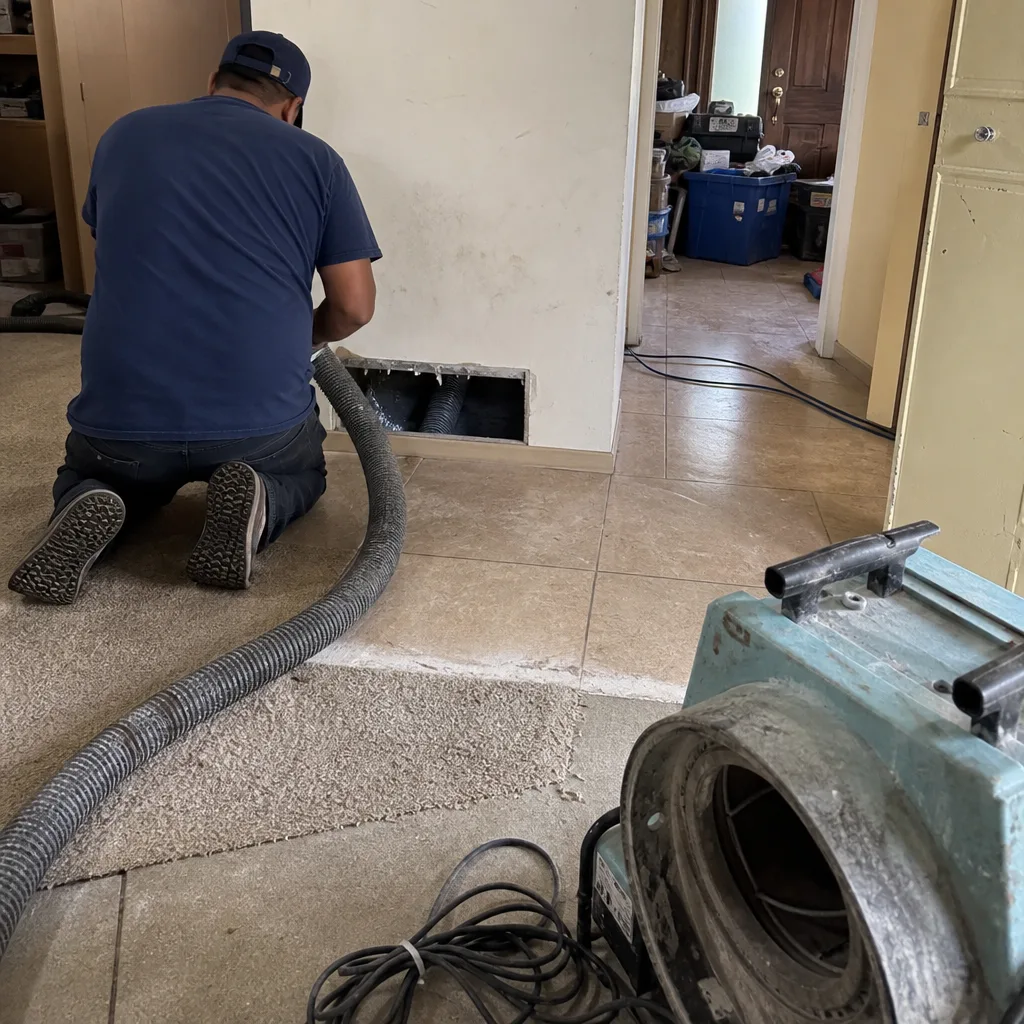 Before
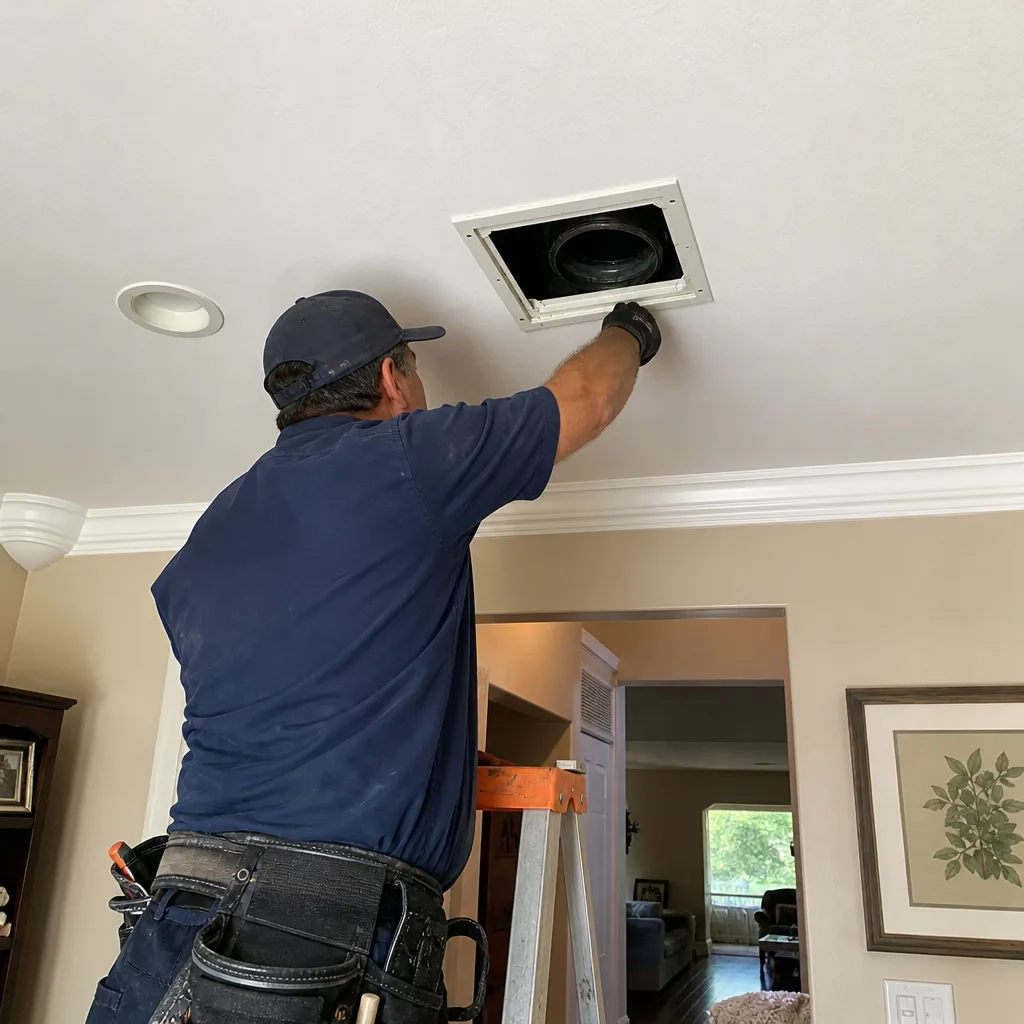 After
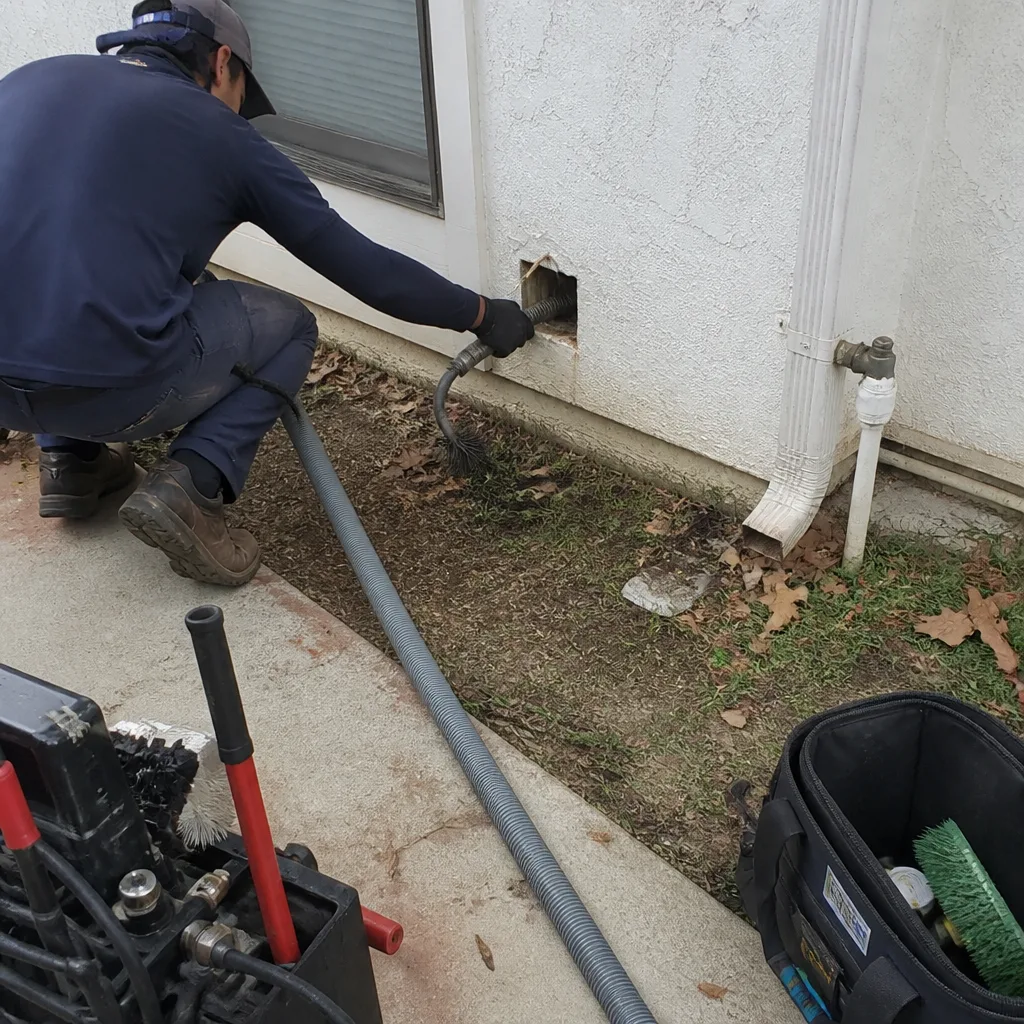 Before
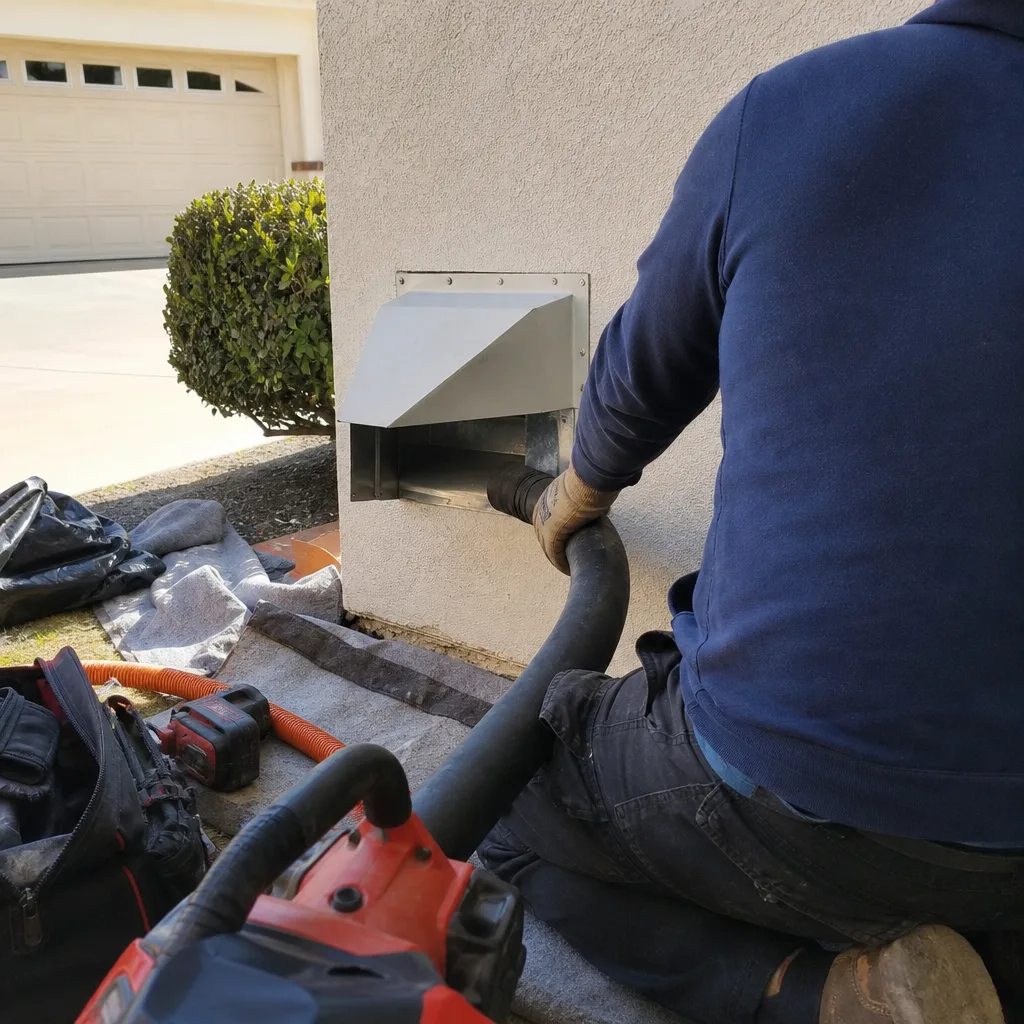 After
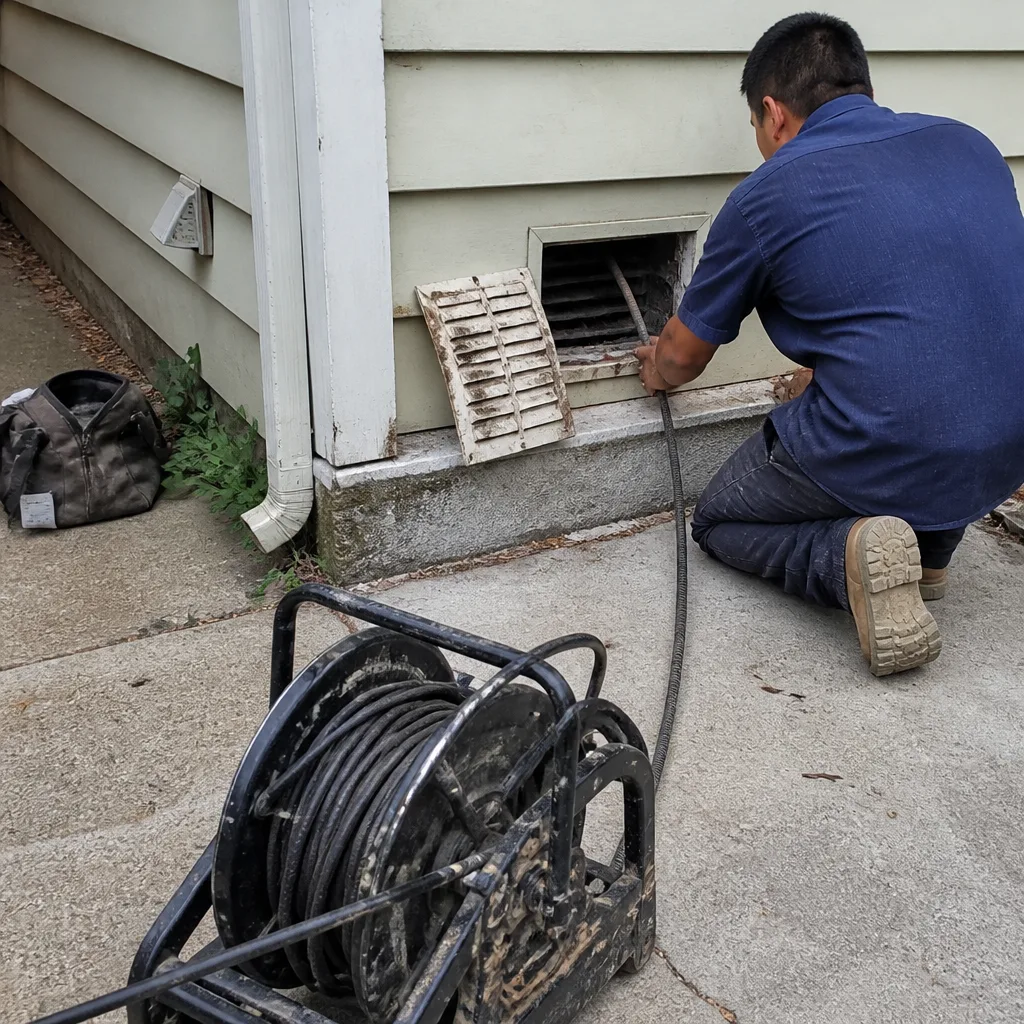 Before
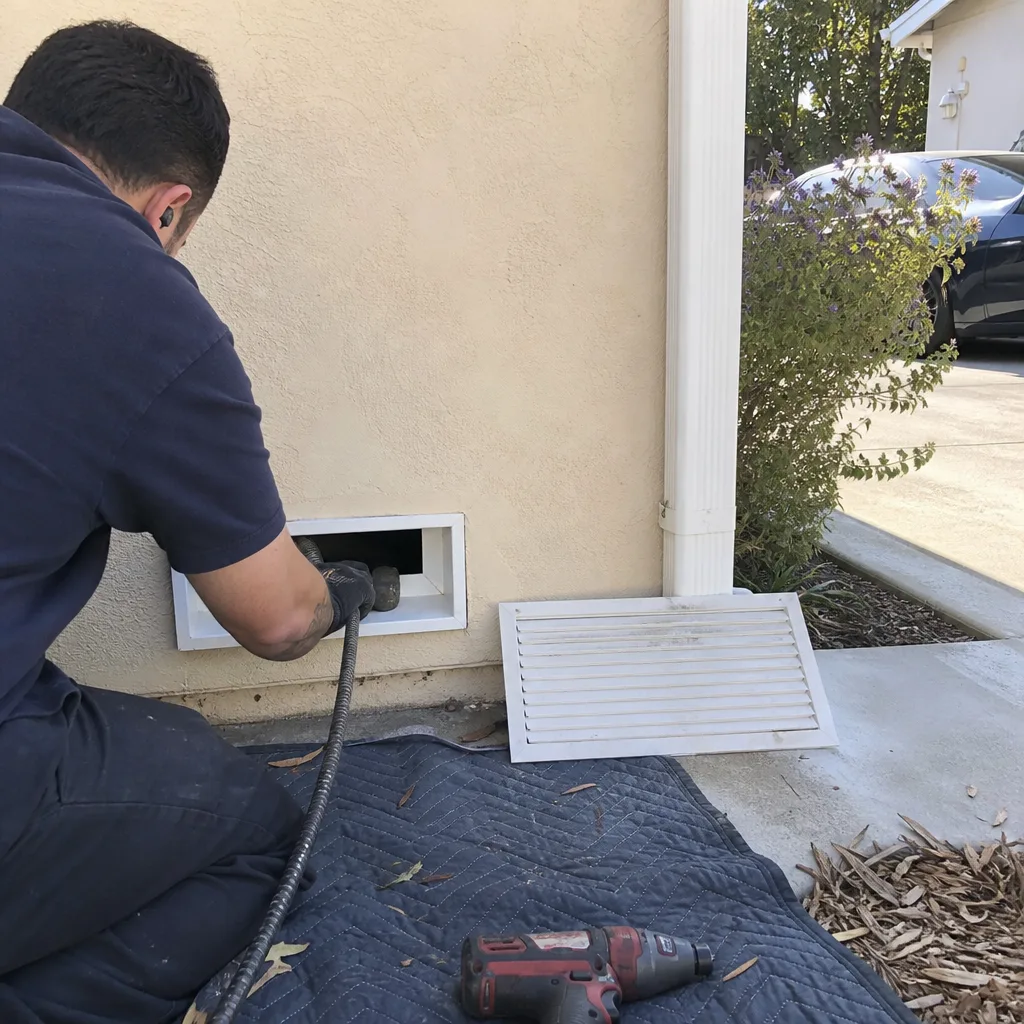 After
When to Call a Professional
Call when the evidence says call. That means visible dust building on registers within weeks of cleaning, musty odors that appear only when the system runs, airflow that’s dropped in specific rooms, or any history of significant exposure: wildfire smoke, renovation dust, pest intrusion, or water in the system. Also call if your photo log shows meaningful year-over-year change despite consistent filter maintenance – that points to something upstream of the filter. Air Duct Cleaning Ventura offers free estimates in Ventura – call (855) 507-7508 and have a technician assess what you’re seeing. No per-vent pricing, no bait-and-switch. One flat price per system, agreed before work starts.
Frequently Asked Questions
Most Ventura homes need professional air duct cleaning every 2 to 4 years, but the honest answer is that your interval depends on filter quality, pets, coastal exposure, and whether your home has seen wildfire smoke or renovation dust. A home with a MERV 11+ filter changed regularly and no pets may go 5+ years. A home with original ductwork, two dogs, and a fiberglass filter may need service every 18 to 24 months. Your photo log and filter history will tell you more than any national guideline. Call (855) 507-7508 for an assessment if you’re not sure.
You can inspect the first foot of visible duct at each register and clean register faces, but you cannot clean the interior of full duct runs, the blower wheel, or the evaporator coil without professional equipment. Consumer vacuums exhaust fine particles back into your living space, and you can’t physically agitate adhered debris from duct walls. In Ventura’s humid climate, dust adheres – it doesn’t just settle – and removing it requires contact-cleaning tools and HEPA-filtered collection.
Professional duct cleaning in Ventura typically runs from $400 to $900 for a standard single-system home, depending on system size, number of returns, accessibility, and condition. Homes with heavy contamination, pest intrusion, or microbial concerns will exceed that. Avoid per-vent pricing – it’s designed to balloon. A reputable company quotes a flat price per system, agreed before work starts. Call (855) 507-7508 for a free estimate on your specific system.
Fast dust accumulation usually points to one of three issues: a low-efficiency filter that lets fine particulate pass into the supply side, unfiltered air leaks at duct boots or return plenums pulling attic or crawlspace air into the airstream, or an exterior source like proximity to the 101 corridor or agricultural dust. In older Ventura homes, boot gaps are common and often the culprit. A professional inspection with photographic documentation identifies which one you’re dealing with.
Yes, if you change it on schedule. A MERV 11 or 13 filter that’s replaced every 60 to 90 days captures far more particulate before it reaches the ducts. But a high-MERV filter that’s neglected creates airflow resistance that forces air around the filter through any available gap, bypassing filtration entirely. If you can’t commit to the replacement schedule, a MERV 8 changed reliably beats a MERV 13 that sits for a year.
Yes. Lint accumulates inside the vent run long before airflow drops enough to be noticeable, and that accumulation is combustible. The NFPA documents thousands of dryer fires annually in the United States, and lint buildup is the leading cause. This is a fire-prevention service, not a convenience. If you can’t remember when your dryer vent was last cleaned, it’s overdue. Call (855) 507-7508 to schedule a check.
The Bottom Line
Your ducts don’t follow a national average. They follow the air you live in. In Ventura, that air carries marine humidity, seasonal wildfire smoke, 101 corridor particulate, and whatever your home itself generates – pets, cooking, candles, and old stucco. The right maintenance checklist has three tiers: monthly filter and register checks, annual photographic inspection, and professional cleaning triggered by evidence rather than a calendar. Document what you see. Replace filters on time. Know which findings mean “keep watching” and which mean “call now.” A condition-based approach might mean you clean less often than the generic recommendation – or more. Either way, you’ll be making the call from data instead of a guess.
Written by the team at Air Duct Cleaning Ventura, serving Ventura since 2017.