
Last updated November 2, 2026
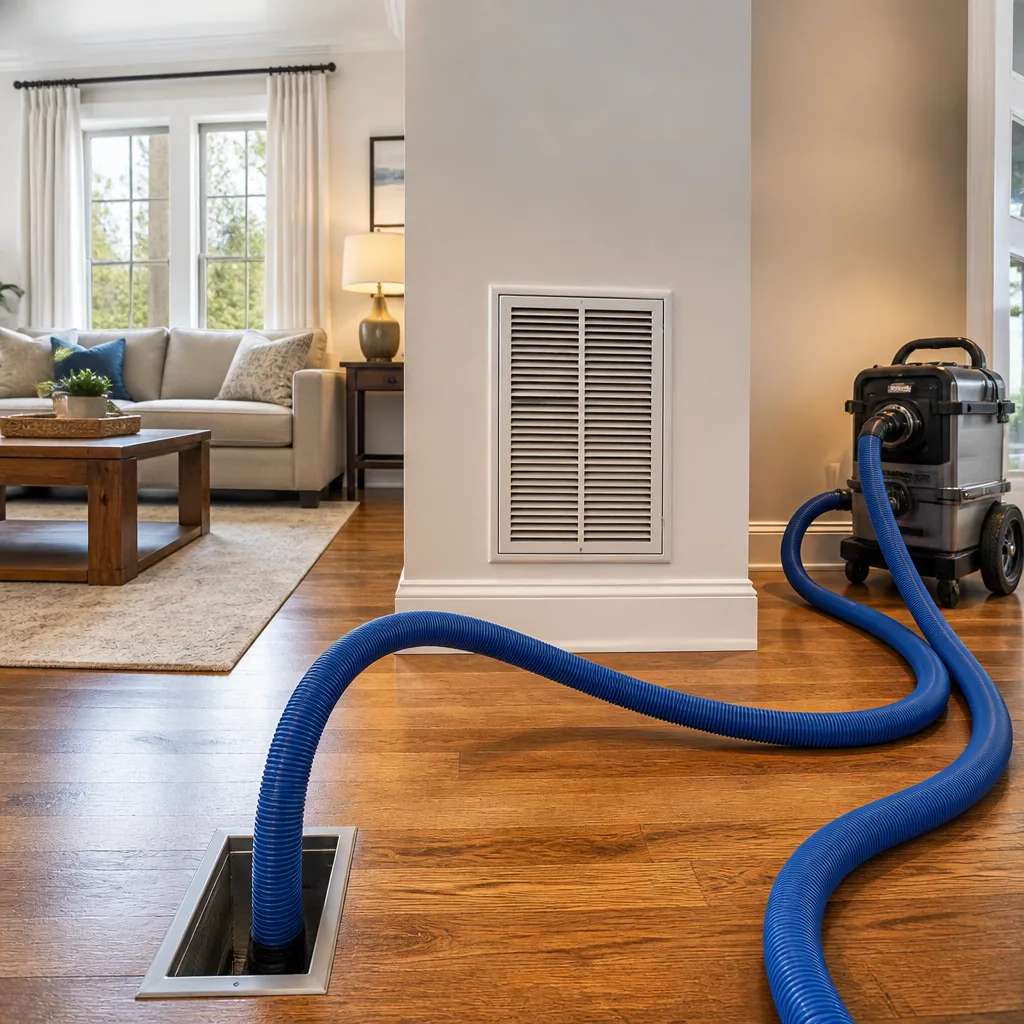 Whole-home duct cleaning
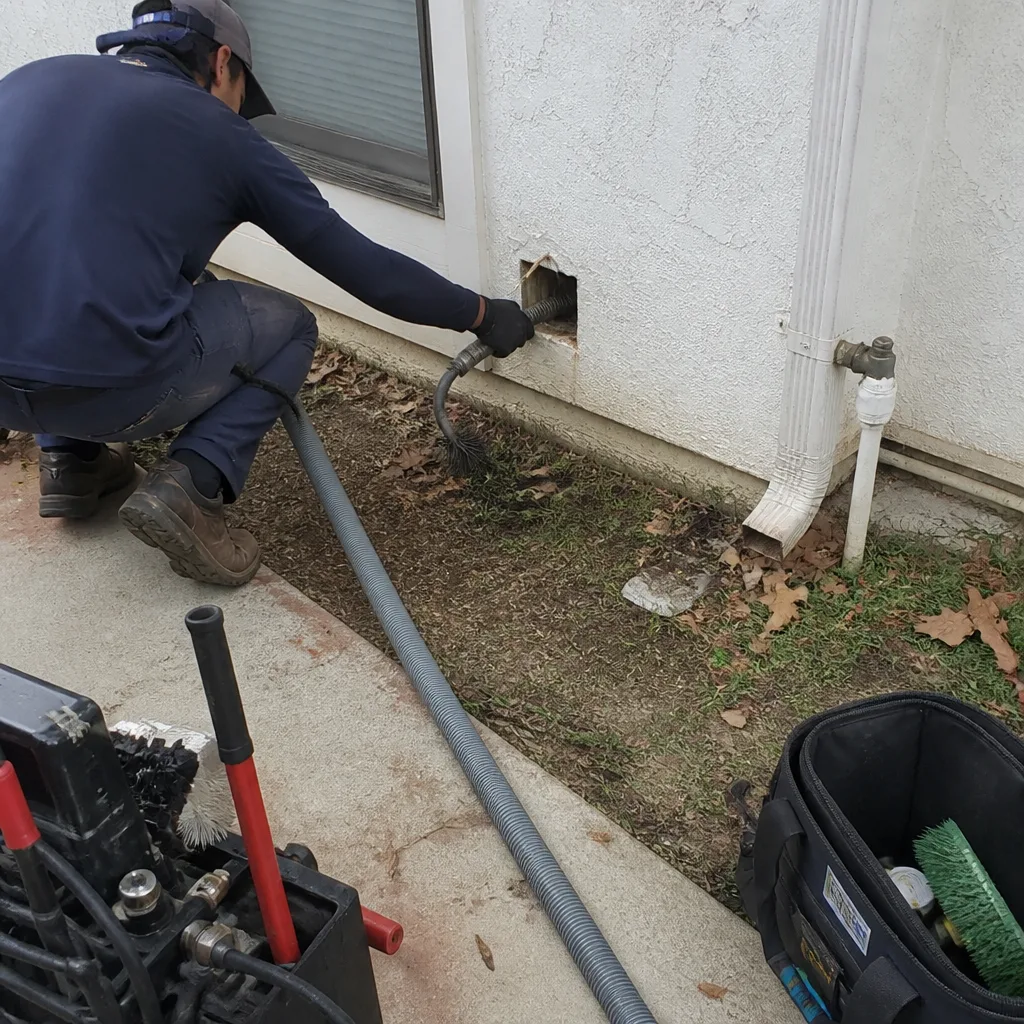
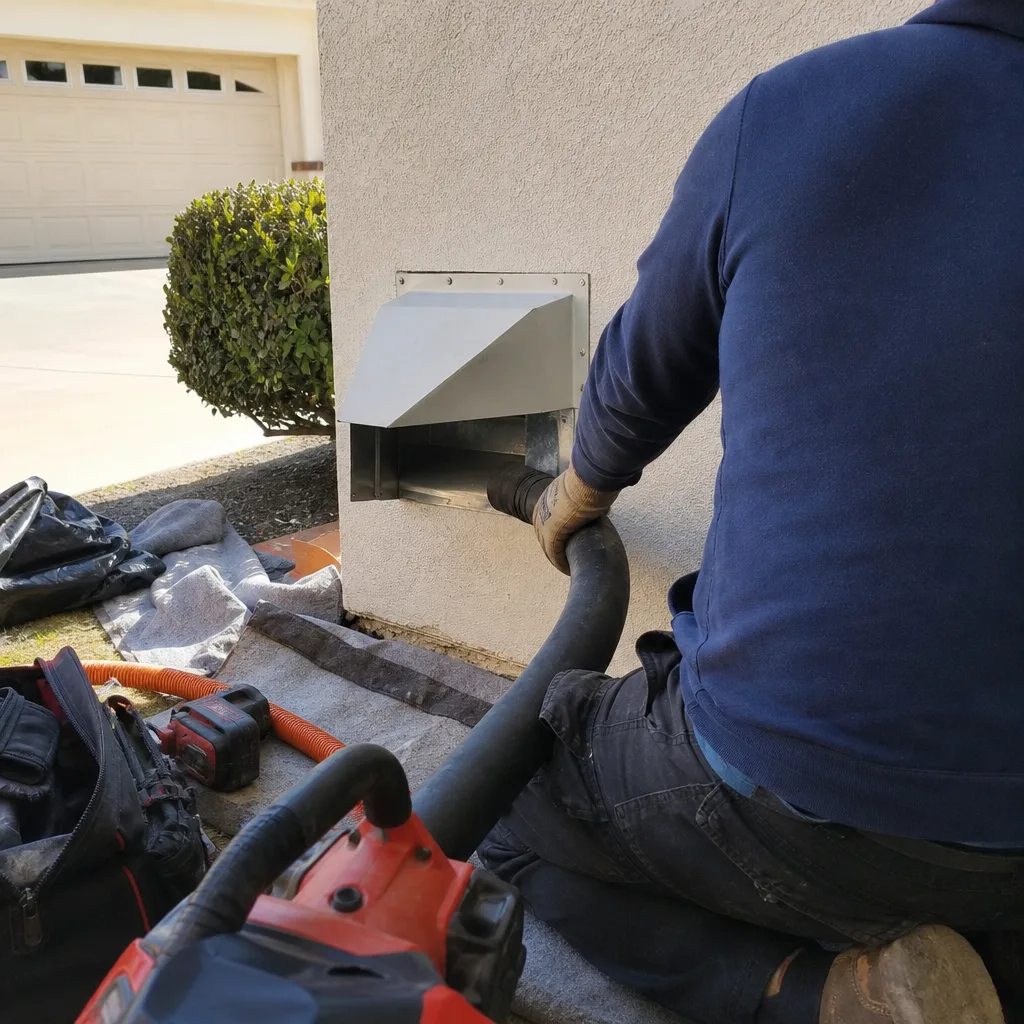
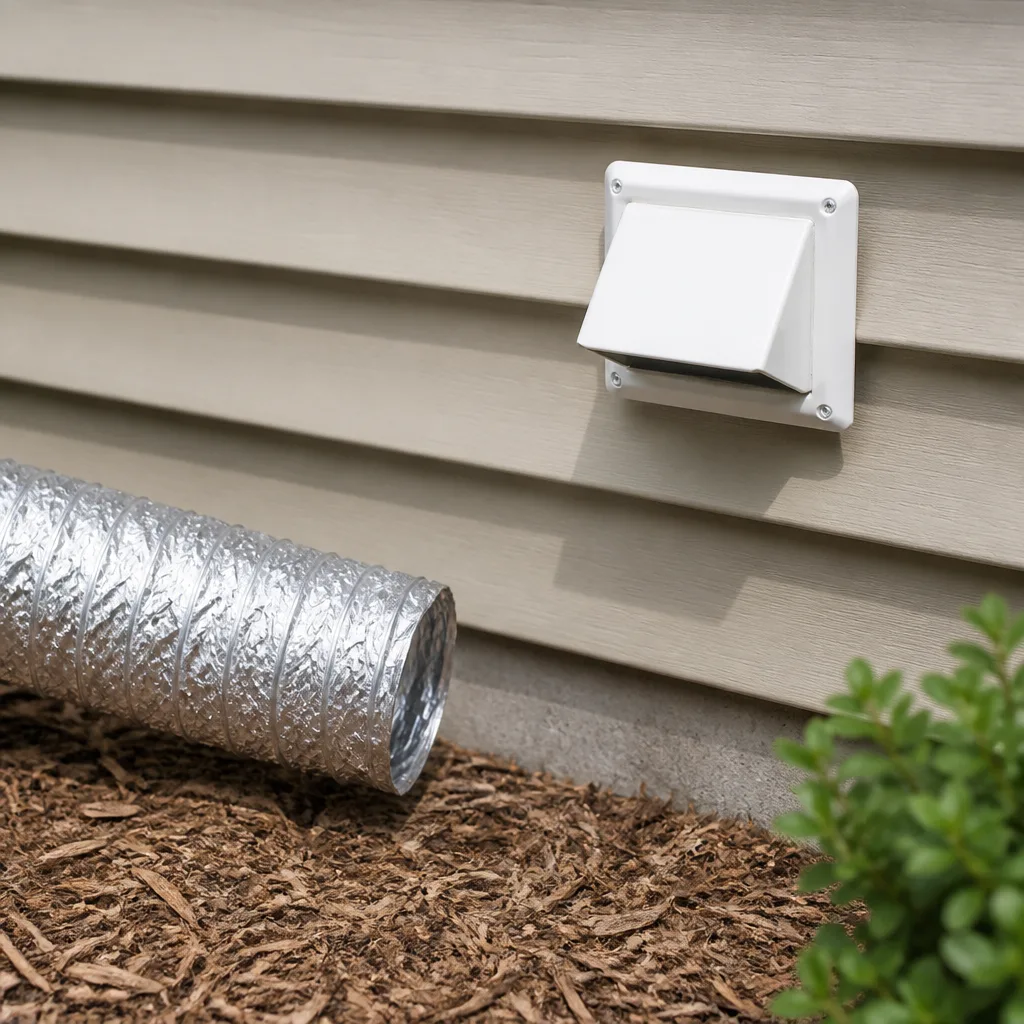 Dryer vent cleaning
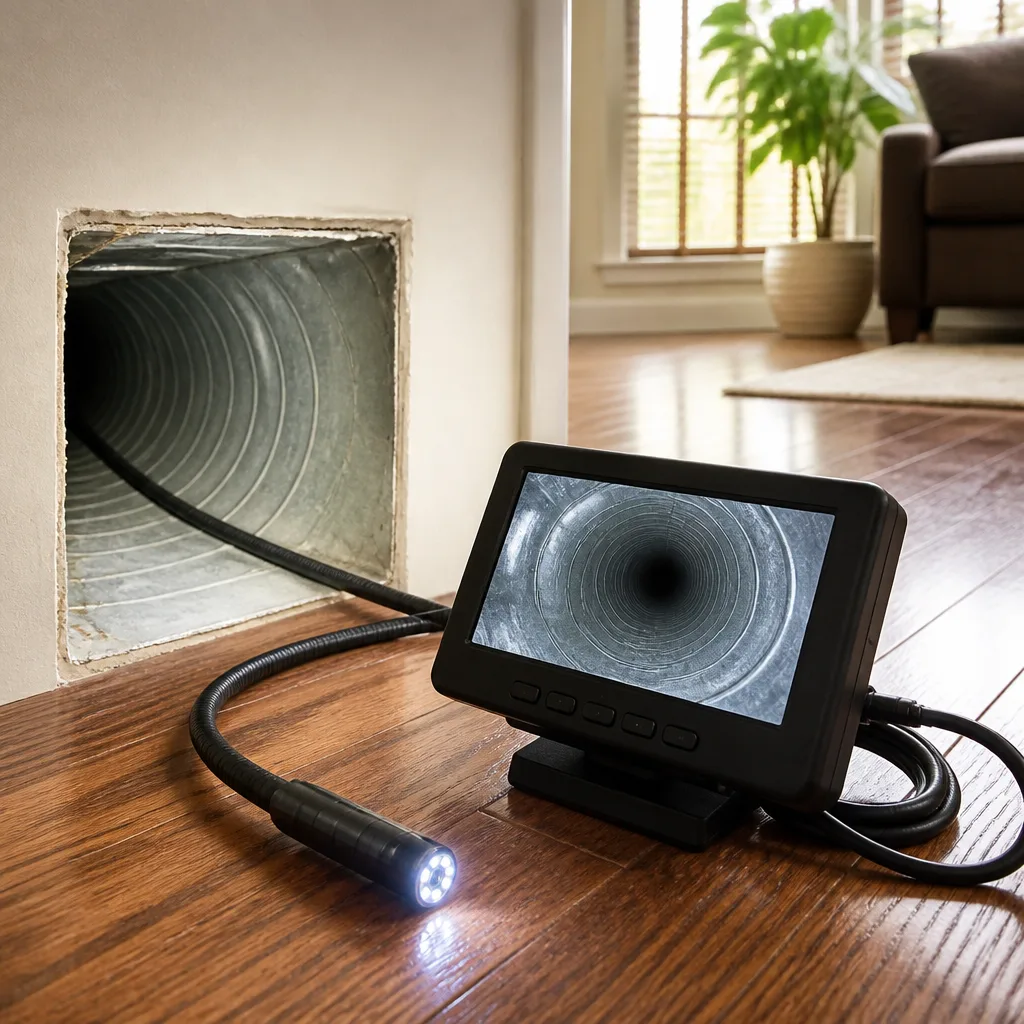 Camera inspection
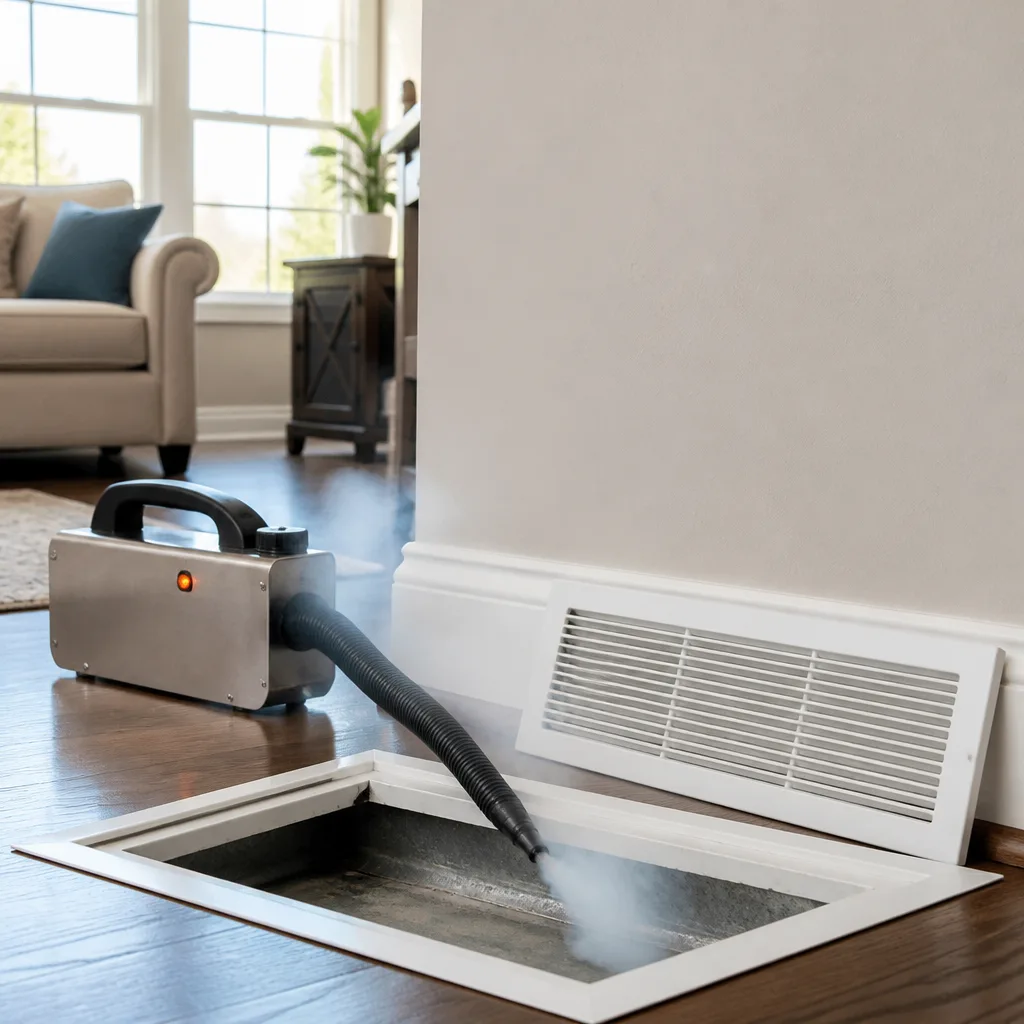 Sanitizing & deodorizing
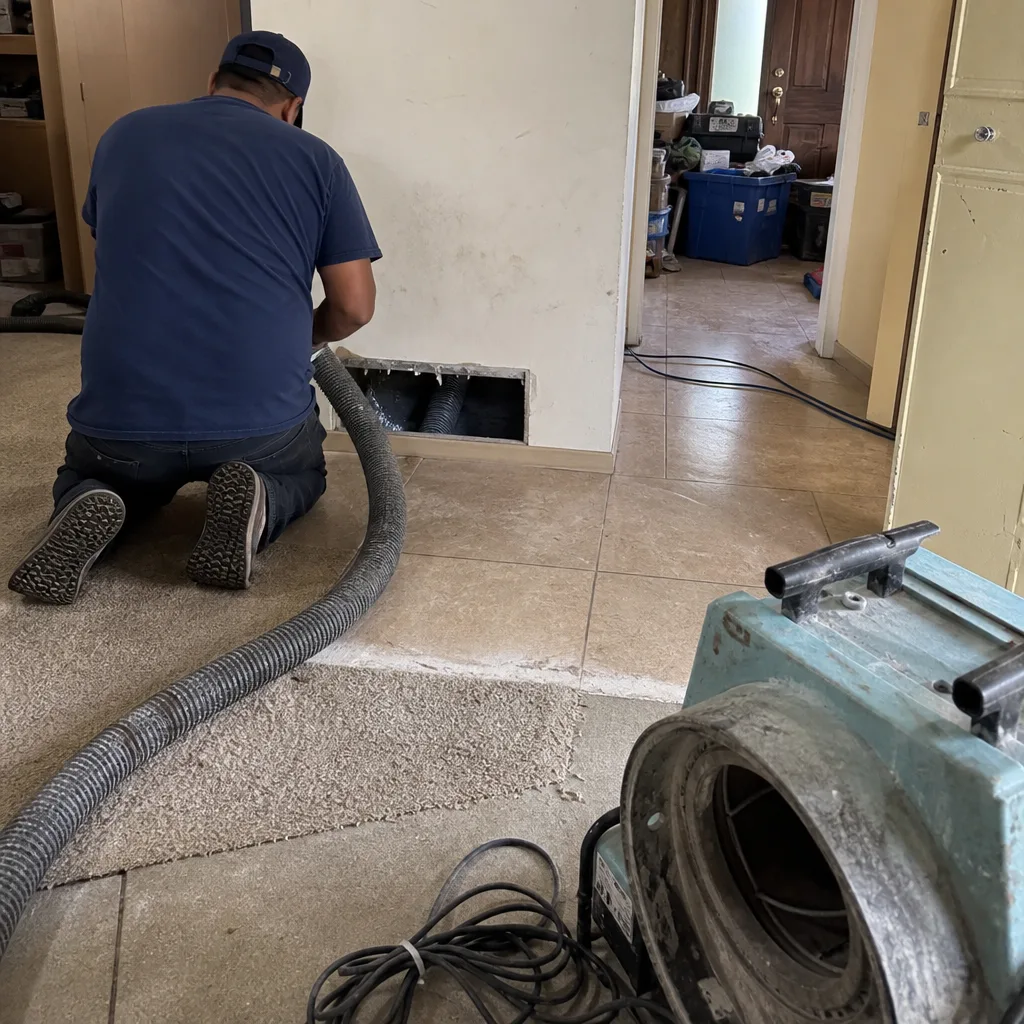
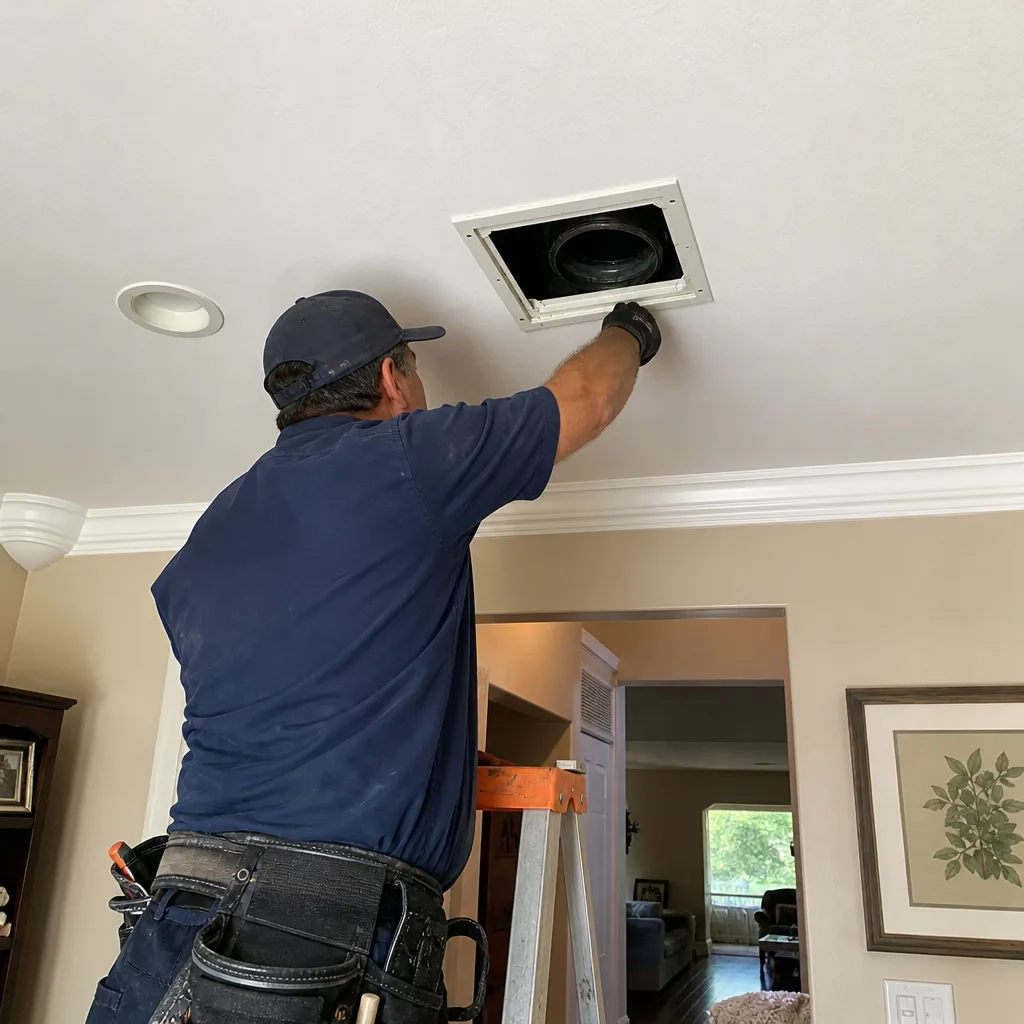
Whole-system duct and dryer vent check with before-and-after photos - you see exactly what came out of your vents
That "$99 whole-house special" is a bait ad - the real number appears once they are in your hallway, or the "clean" is a shop-vac at the register. We photograph the inside of your ducts before and after instead.
Air Duct Cleaning Cost Breakdown: The Ventura Homeowner’s Reference for 2026
A $199 duct cleaning and a $700 duct cleaning are not the same service with a different profit margin. They are physically different procedures performed with different equipment, by different crews, in different amounts of time. That gap, which confuses Ventura homeowners every week, is the single most important thing to understand before you schedule a job or compare quotes. In this guide, we’ll walk through the actual cost drivers, what each price tier buys you, the Ventura-specific factors that affect your system, and the questions that separate a legitimate quote from a bait-and-switch. For Air Duct Cleaning Emergency Preparedness Guide for Ventura Homes and other resources, see our blog. You’ll finish with the knowledge to evaluate any invoice like a technician would.
Styles & brands we work with
- Whole-home duct cleaning
- Dryer vent cleaning
- Camera inspection
- Sanitizing & deodorizing
Quick Answer
Air duct cleaning in Ventura typically costs between $450 and $900 for a complete residential system in 2026, with smaller homes or partial cleanings starting around $300 and larger or heavily contaminated systems exceeding $1,200. The price difference comes down to equipment type, time on site, and verification standards, not arbitrary markup. A legitimate whole-system cleaning that uses contact agitation and HEPA collection cannot be done properly for $199.
Table of Contents
- What Actually Drives Air Duct Cleaning Costs
- The Three Price Tiers: What $199 Buys vs. What $600 – $800 Buys
- Ventura-Specific Cost Factors: Climate, Housing Stock, and Duct Access
- Legitimate Add-Ons vs. Fabricated Upsells
- How to Benchmark a Quote: 8 Questions That Reveal Scope
- Hidden Costs and What They Signal
- Common Mistakes to Avoid
- When to Call a Professional
- Frequently Asked Questions
- The Bottom Line
What Actually Drives Air Duct Cleaning Costs
The honest answer is that legitimate pricing is a function of four measurable inputs: linear footage of ductwork, number of supply and return vents, access difficulty, and the equipment required to do the job correctly. When a contractor skips over these details and quotes a flat rate without asking about your home, that’s a signal the number is a hook, not an estimate.
Linear duct footage is the biggest lever. A 1,200-square-foot Ventura ranch with a single return and short trunk lines might have 80 to 120 linear feet of ductwork. A two-story home near the college with zoned heating and long runs to a converted attic bedroom could have 250 feet or more. More duct equals more surface area equals more time with the cleaning equipment actually in contact with the duct walls.
Vent count matters because each register represents an access point that has to be opened, cleaned, and re-sealed. In our experience, the typical Ventura home has 8 to 14 supply vents and 2 to 3 returns. That’s 10 to 17 openings, each requiring several minutes of direct work. A crew doing it properly doesn’t just wave a vacuum hose near the opening; they remove the register, clean the boot and the first several feet of branch duct, and inspect for damage.
Access difficulty is the quiet cost inflator. Crawlspaces under beach-adjacent homes in the Pierpont district are often tight, sandy, and damp. Attics in older Midtown bungalows have low clearance and limited room to maneuver equipment. Newer construction east of the 101 typically has the easiest access: wide attic trusses, generous mechanical closets, and duct runs that follow predictable paths. The same cleaning job costs more when the tech has to spend 45 minutes just getting equipment positioned.
Equipment operating time is the fourth input, and it’s the one most homeowners never see. A professional-grade HEPA vacuum with a contact-cleaning head consumes electricity, filter capacity, and labor. Running a Nikro HEPA unit continuously for three hours is not the same as running a consumer shop vac for one. That cost is real, and it’s why companies that own better equipment charge more, not because they’re padding the invoice, but because the work itself is physically different.
The Three Price Tiers: What $199 Buys vs. What $600 – $800 Buys
Let’s be direct about what happens at each price point. This is the breakdown most air duct cleaning articles avoid, because it makes the low-price providers look bad. That’s exactly the point.
The $149 – $250 Tier: A Visual Inspection With Suction
At this price, you are getting a technician with a small portable vacuum, usually 5 to 8 horsepower, connected to a 4-inch hose. The hose goes into the register opening, a brush on the end spins, and loose dust within arm’s reach gets pulled out. Wall-to-wall, from the register to the trunk line? No. The equipment cannot reach more than a few feet into the branch duct. The trunk line and return plenum are not touched. Time on site is typically 45 to 90 minutes. This is not a whole-system cleaning. It’s a partial surface cleaning of visible duct openings, and it leaves the majority of your duct surface untouched.
The $450 – $700 Tier: Legitimate Whole-System Cleaning
This is where a real cleaning happens. The crew arrives with a truck-mounted or professional portable HEPA system, such as the Nikro units used in commercial and remediation settings. They cut an access point into the supply and return plenums, seal the system under negative pressure, and run a contact-cleaning tool, like the Rotobrush system, through every linear foot of duct. The brush physically agitates debris off the duct walls while the vacuum extracts it into a HEPA-filtered collection chamber. Every register is removed, cleaned, and inspected. The blower housing and evaporator coil area are checked for visible contamination. Time on site for a typical Ventura home is three to five hours. When the crew finishes, you should be able to see the results: registers that were coated in gray fuzz are clean, airflow at the vent is noticeably stronger, and the access holes are properly patched and sealed.
The $800 – $1,400 Tier: Whole-System Plus Verification or Remediation-Level Work
This tier exists for homes with confirmed contamination or systems that have never been cleaned in 20-plus years. Think pest intrusion in the ductwork, visible mold growth on the register boots, or construction debris from a renovation. At this level, the cleaning still happens, but the scope widens: sanitizing agents applied only where biological growth is confirmed, additional access points cut and sealed, longer equipment run times, and documentation that includes before-and-after photos. This is also the tier where legitimate companies bring in Abatement Technologies containment equipment to maintain negative pressure and prevent cross-contamination during the job. If a quote in this range does not include verification steps, photos, or a clear explanation of why the job warrants the price, that’s a red flag.
Ventura-Specific Cost Factors: Climate, Housing Stock, and Duct Access
Ventura’s housing stock shapes what air duct cleaning actually costs here, and it’s different from what you’d find in Santa Clarita or Thousand Oaks. The city’s building boom happened in distinct waves, and each wave created different duct configurations that affect labor time.
The coastal marine layer means Ventura air carries more moisture and salt than inland communities, particularly west of the 101. That moisture condenses on cool duct surfaces in unconditioned attics and crawls under homes. When duct interiors stay damp for months at a stretch, dust doesn’t just accumulate; it cakes. A system that’s been absorbing coastal air for a decade often needs longer contact-cleaning time because the debris has adhered to the duct walls rather than sitting loose. Salt-laden dust also settles into the blower housing and coil fins, which means a proper cleaning in Ventura often includes more time on the air handler than the same job in a drier climate.
Older ranch-style homes, the kind you see throughout College Park and around Buena High School, were mostly built in the 1950s and 60s. Their ductwork runs through unconditioned attics or under the house in crawlspaces. Access hatches are small. Ducts are often wrapped in degraded insulation. None of this is fatal, but it means a tech needs more time to reach the system, more care navigating tight framing, and sometimes additional sealing work because 60-year-old ducts develop leaks. The cleaning itself may be straightforward, but the access labor pushes the final number up.
Newer construction east of the 101, in the hills above Kimball Road or along Foothill, tends to have more modern duct design: accessible attic trusses, trunk lines that run in roughly straight paths, and mechanical closets with enough room to set up equipment. Jobs in these homes typically run on the lower end of the price range because the system cooperates with the equipment. That’s not a reflection of lesser quality; it’s simply less time and effort to achieve the same result.
There’s also the home-age wildcard: mid-century ductwork sometimes contains asbestos tape at the joints. If your home was built before 1980 and the ducts have never been touched, a professional crew will identify and flag this before cleaning starts. Abatement is outside the scope of a standard cleaning, and any company that ignores visible asbestos tape to rush a job is not a company you want inside your home. This is exactly why Air Duct Cleaning in Ventura done by a trained crew starts with an inspection, not a vacuum hose.
Legitimate Add-Ons vs. Fabricated Upsells
The distinction between a useful add-on and a fabricated upsell comes down to whether the service addresses something that was actually found during the job. Legitimate add-ons are triggered by inspection findings. Fabricated upsells are offered regardless of what the inspection shows.
Legitimate Add-Ons With Real Cost Justification
- Dryer vent cleaning: A dedicated service, not a courtesy swipe with a brush. Lint accumulation is the leading cause of dryer fires according to NFPA documentation, and in Ventura, where laundry rooms often vent through long runs to the exterior, the risk is real. If your dryer vent hasn’t been cleaned in two years, adding it to the job is money well spent. We offer Dryer Vent Cleaning in Ventura as a separate, thorough service with the same methodical approach.
- Sanitizing after confirmed biological growth: If the inspection turns up visible mold or mildew inside the ductwork, sanitizing is justified. The key word is confirmed. A company that pushes sanitizing on every job, regardless of what the duct walls show, is selling fear, not service.
- Filtration upgrades: If your home has a basic one-inch fiberglass filter and a family member with allergies, upgrading to a Honeywell or Aprilaire media filtration system changes the long-term air quality picture. This is a recommendation that should come after cleaning, not as a substitute for it.
- Air duct repair: Cleaning often reveals problems: disconnected joints, crushed flex duct, rusted sections. If these get flagged during the job, repairing them immediately is cheaper than scheduling a second visit. A provider that offers Air Duct Repair in Ventura alongside cleaning can address damage while the system is already opened up.
Fabricated Upsells to Decline
- “Mold treatment” without any visible evidence of mold: If the tech hasn’t shown you a photo or pointed at something you can see, decline it.
- “Deodorizing” sprays that mask rather than clean: If the smell is coming from the ducts, the fix is removal of the source, not a scented fog.
- Per-vent pricing structures: A legitimate whole-system cleaning is priced on the system, not a la carte per vent. Per-vent pricing is how $99 ads become $800 invoices.
- “Duct sealing” pushed on every home: Duct sealing is a real service, but it’s needed on systems with measurable leaks. If someone offers it before they’ve looked at your ductwork, they’re selling a product, not solving a problem.
How to Benchmark a Quote: 8 Questions That Reveal Scope
You don’t need to become a duct cleaning technician to evaluate a quote. You need to ask questions that force the contractor to reveal what they’re actually going to do. Here’s Air Duct Cleaning Maintenance Checklist for Ventura Homeowners we’d recommend reviewing before hiring.
- “What equipment are you using, and can you name the vacuum system?” Listen for HEPA filtration and a contact-cleaning method. If the answer is vague, like “powerful truck-mounted vacuum,” push for the actual brand. Companies that invest in equipment are proud to name it. Companies that rent a small portable unit won’t tell you.
- “How do you access the trunk line and return plenum?” A whole-system cleaning requires cutting access holes or removing sections of duct. If the plan is to clean everything through the register openings, that’s a partial job at a full-job price.
- “What’s the total time on site for a home my size?” For a typical Ventura three-bedroom, a legitimate cleaning takes three to five hours. A one-hour appointment is a drive-by.
- “Do you clean the blower housing and the area around the coil?” This is where dust that bypasses the filter accumulates. If they don’t intend to open the air handler cabinet, the job is incomplete.
- “Will you show me before-and-after photos of my own ducts?” The technology to document this is standard now. A refusal is a strong signal.
- “Is your price for the whole system, or is there a per-vent charge?” Get the total in writing before the truck rolls. The line-item structure reveals the contractor’s pricing philosophy.
- “What happens if you find damage or contamination during the job?” A professional answer describes inspection findings, documentation, options, and owner approval before extra work begins. A red flag answer is a shrug and an inflated final invoice.
- “Are you licensed and insured for this specific work in California?” Ask for the license number. Verify it. Untrained crews with consumer-grade equipment undercut legitimate operators, then disappear when a duct gets damaged.
The goal of these questions isn’t to interrogate a contractor until they hang up. It’s to separate the companies that can answer them from the ones that can’t. In our experience with Air Duct Cleaning Ventura home consultation calls, homeowners who ask these questions before hiring end up with better results and fewer surprises.
Hidden Costs and What They Signal
Hidden costs in this industry come in three flavors. The first is the legitimate surprise: the inspection reveals something the initial quote couldn’t have predicted. A broken duct joint behind a wall. A rodent nest in the return plenum. Pest debris in the trunk line. These findings change the scope, and a good contractor stops, documents the finding, and gets your approval before continuing. That’s not a hidden cost; that’s honest discovery.
The second flavor is the predictable-but-unmentioned charge. Cranes for rooftop access. Extra fees for sanitizing after every job. Charges for “waste disposal” that should be included in the line item. These are hidden costs that should have been in the quote from the start. If a company springs them on you after arriving, that’s a pattern, not an accident.
The third flavor is the worst: the scope-creep invoice. The $199 “whole-house special” that becomes $1,100 once the tech explains that the ducts “really need” sanitizing, the dryer vent is “a separate package,” and the “fungal treatment” is “recommended but optional.” This is not a cleaning service. It’s a high-pressure sales operation wearing a cleaning company’s uniform. Ventura homeowners pay these invoices every month, and the predictable result is the same: a person loses trust in the entire industry and tells their neighbors never to hire a duct cleaner again.
You can protect yourself by insisting on one flat price per system, agreed before work starts, with add-ons priced and approved only after inspection findings are shown to you. If a contractor won’t put that in writing, the strongest move you can make is to choose a different contractor.
Common Mistakes to Avoid
- Assuming all quotes cover the same scope. A $250 quote for register-level vacuuming and a $650 quote for whole-system contact cleaning are not competing bids. They’re different services entirely. Compare scope first, then price.
- Skipping the dryer vent. Ventura homes often have long, multi-turn dryer vent runs, especially older homes where the laundry area was retrofitted. The lint risk is a fire hazard documented by NFPA data, and ignoring it because it isn’t part of the “main” cleaning leaves a real danger in place.
- Hiring based on the lowest online price. The low-price model in this industry doesn’t work by being more efficient. It works by doing less work and then selling upsells on site. The $199 special is not a bargain; it’s a lead generation cost.
- Letting the crew rush. A rushed cleaning leaves the trunk line half-touched and the return plenum ignored. If the crew is packing up after 60 minutes on a three-bedroom home, the job was not done thoroughly, regardless of what the invoice says.
- Not asking about the equipment. The difference between a consumer-grade shop vac and a HEPA-rated professional unit is the difference between collecting dust and redistributing it. If the contractor won’t name the equipment, assume the worst.
- Ignoring the blower housing. Dust doesn’t stop at the duct walls. The blower motor, housing, and coil area collect the finest particles that pass through the filter. A quote that doesn’t include opening the air handler is incomplete.
- Skipping repairs when they’re flagged. If cleaning reveals a disconnected duct, the cleaning is partially wasted. The system will pull attic air right back into the ducts. Fix the problem while it’s accessible.
When to Call a Professional
There are clear triggers that signal the need for professional air duct cleaning rather than negotiation or delay. Visible dust puffing from registers when the system kicks on is a sign the ducts are carrying loose debris. Musty or stale odors that persist after changing the filter point to accumulated organic matter inside the system. Rooms that never seem to reach the same temperature as the rest of the house can indicate airflow blockage from debris accumulation, not just a weak HVAC system. If you’ve had construction or remodeling done recently, drywall dust and debris will have entered the return side. And if you have family members with persistent allergy symptoms that ease when they leave the house, the duct system is a reasonable place to investigate. Our Air Duct Cleaning services include free estimates in Ventura. Call (855) 507-7508 to schedule an inspection and a flat-rate quote for your system.
Frequently Asked Questions
Expect to pay between $450 and $900 for a complete residential system cleaning in Ventura, with smaller homes starting around $300 and heavily contaminated systems exceeding $1,200. The range exists because legitimate pricing follows linear duct footage, vent count, access difficulty, and equipment operating time, not a flat fee. Call (855) 507-7508 for an exact quote for your home.
Cheaper quotes typically reflect less equipment, less time, and less scope. A $199 service uses a small portable vacuum that can only reach a few feet into each register, while a $600 service deploys a professional HEPA system with contact-cleaning tools that scrub the full length of every duct. The low price is not a discount; it’s a smaller procedure.
Ask for before-and-after photos of your own ductwork, taken from inside the access points. Inspect several registers yourself after the job. Run the system and check whether airflow feels stronger at the vents. A legitimate company will document the work and show you the evidence without hesitation.
Most homes benefit from a thorough cleaning every 3 to 5 years, but the schedule depends on factors like pet count, renovation history, and whether anyone in the home has respiratory conditions. In Ventura, the coastal air can cause debris to adhere faster, so homes near the beach may need attention on the shorter end of that range.
Yes. Lint accumulation is a documented fire hazard that affects dryer performance long before it creates a full blockage. The NFPA identifies lint as a leading cause of dryer fires. A dryer vent cleaning addresses the hazard directly, and in Ventura homes with long vent runs, the clearance becomes more important, not less.
It can reduce the amount of dust, pollen, and pet dander circulating through your home’s air system, especially if the ducts have not been cleaned in years. For meaningful long-term improvement, pair the cleaning with a better filtration setup, such as a media filter from Honeywell or Aprilaire, which many Ventura homeowners find worth the upgrade.
The Bottom Line
Air duct cleaning in Ventura costs what it costs for a reason. The gap between a $199 special and a $700 whole-system cleaning is not brand markup; it’s the physical difference between touching a register and cleaning an entire duct system under negative pressure with professional equipment. In a coastal climate like Ventura’s, where moisture and salt complicate the job and older housing stock complicates access, the thorough approach pays off in stronger airflow, verified cleanliness, and a system that doesn’t need revisiting in six months. Ask the questions. Compare scope, not sticker price. Demand documentation. For more guides & resources, visit our blog. And when you’re ready to talk to a company that can answer the questions, call (855) 507-7508 for a free estimate.
Written by the team at Air Duct Cleaning Ventura, serving Ventura since 2017.
See the difference
 Before
 After
 Before
 After
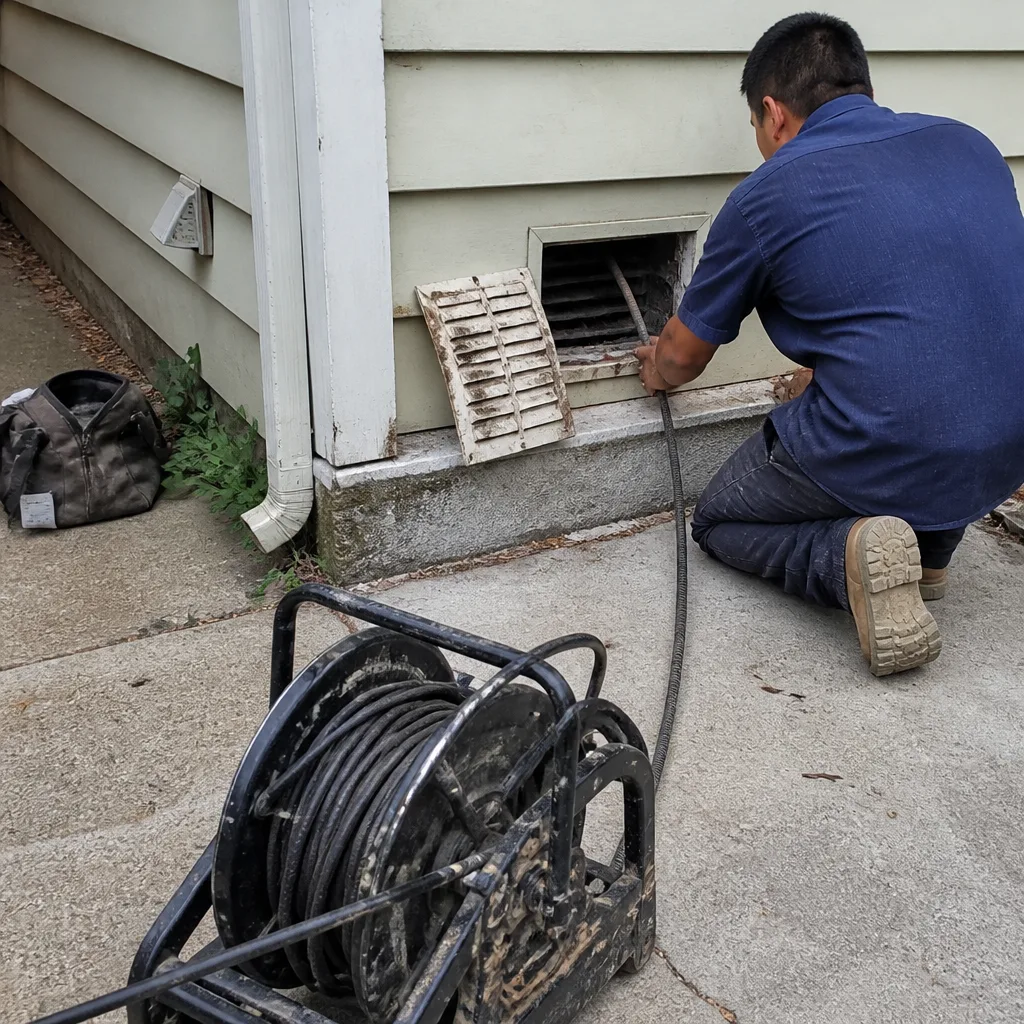 Before
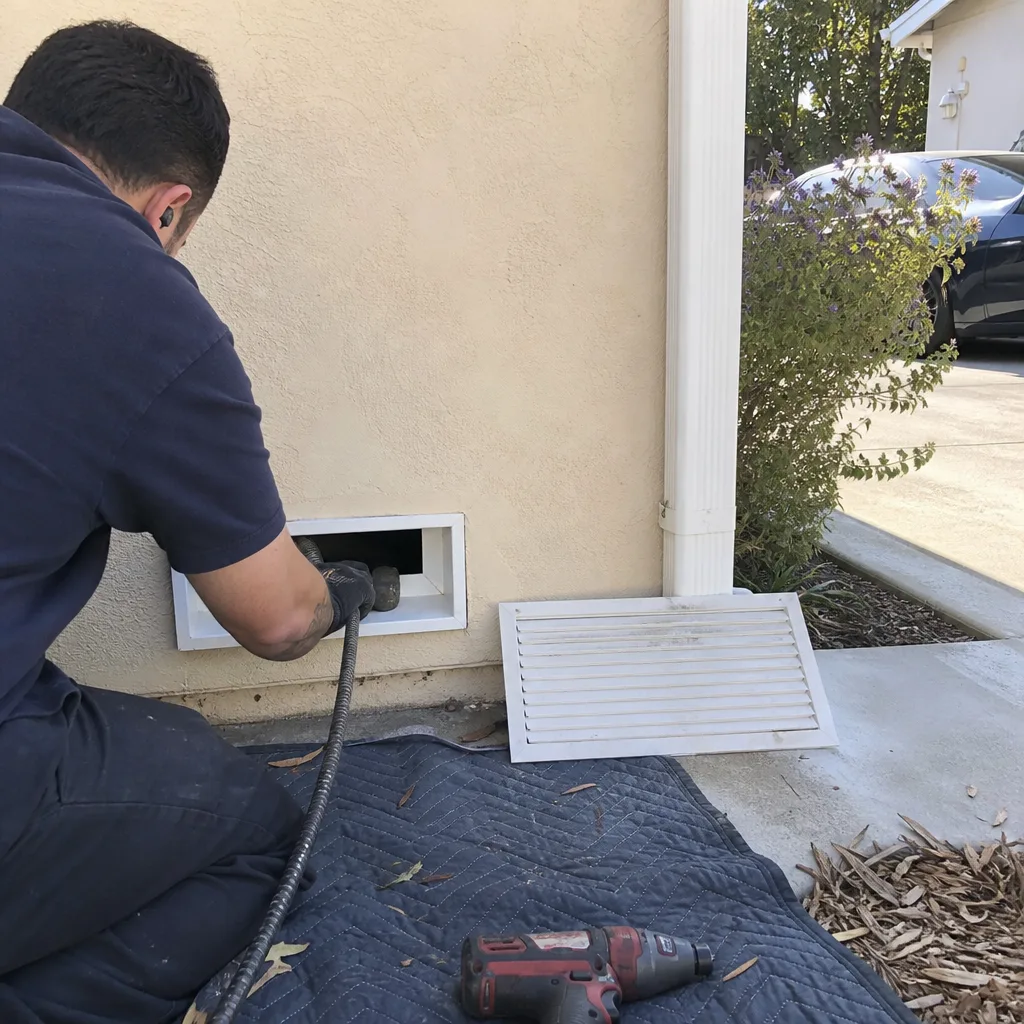 After