
Last updated November 2, 2026
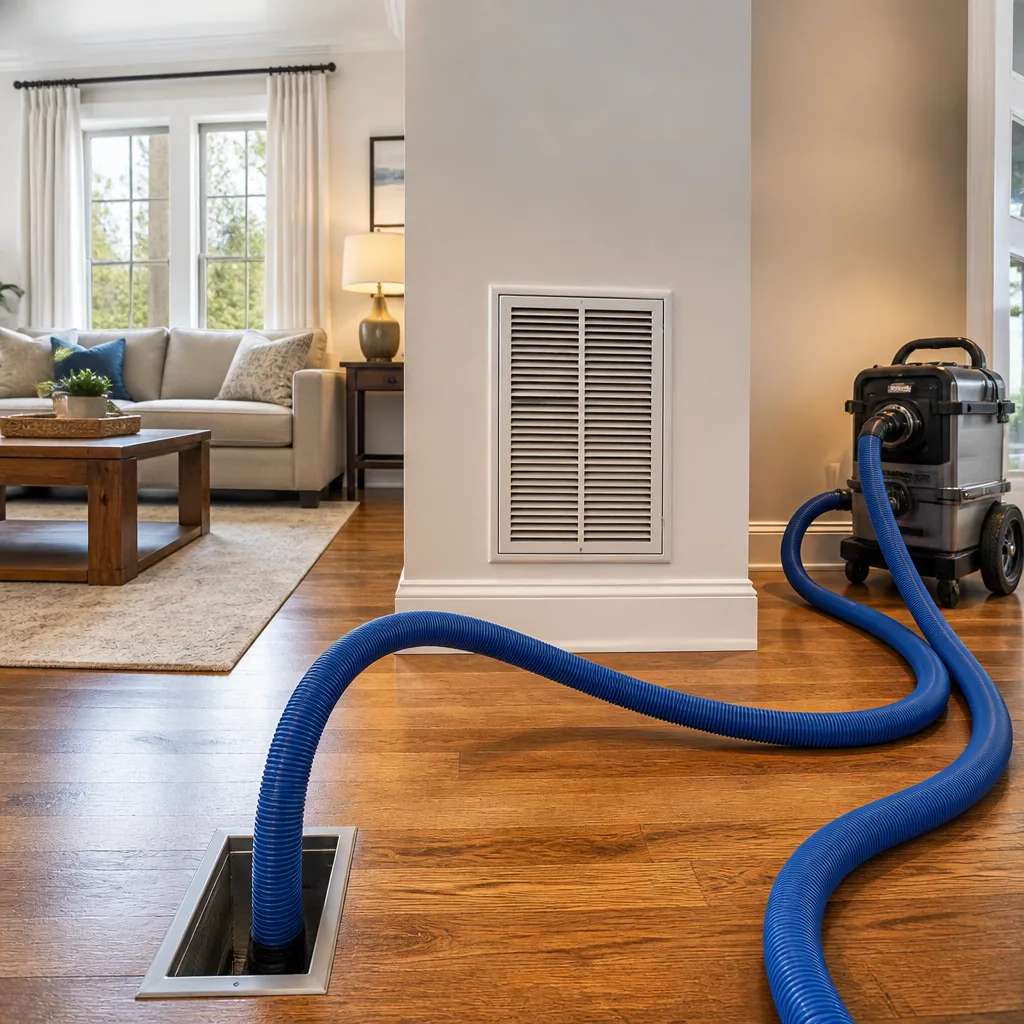 Whole-home duct cleaning
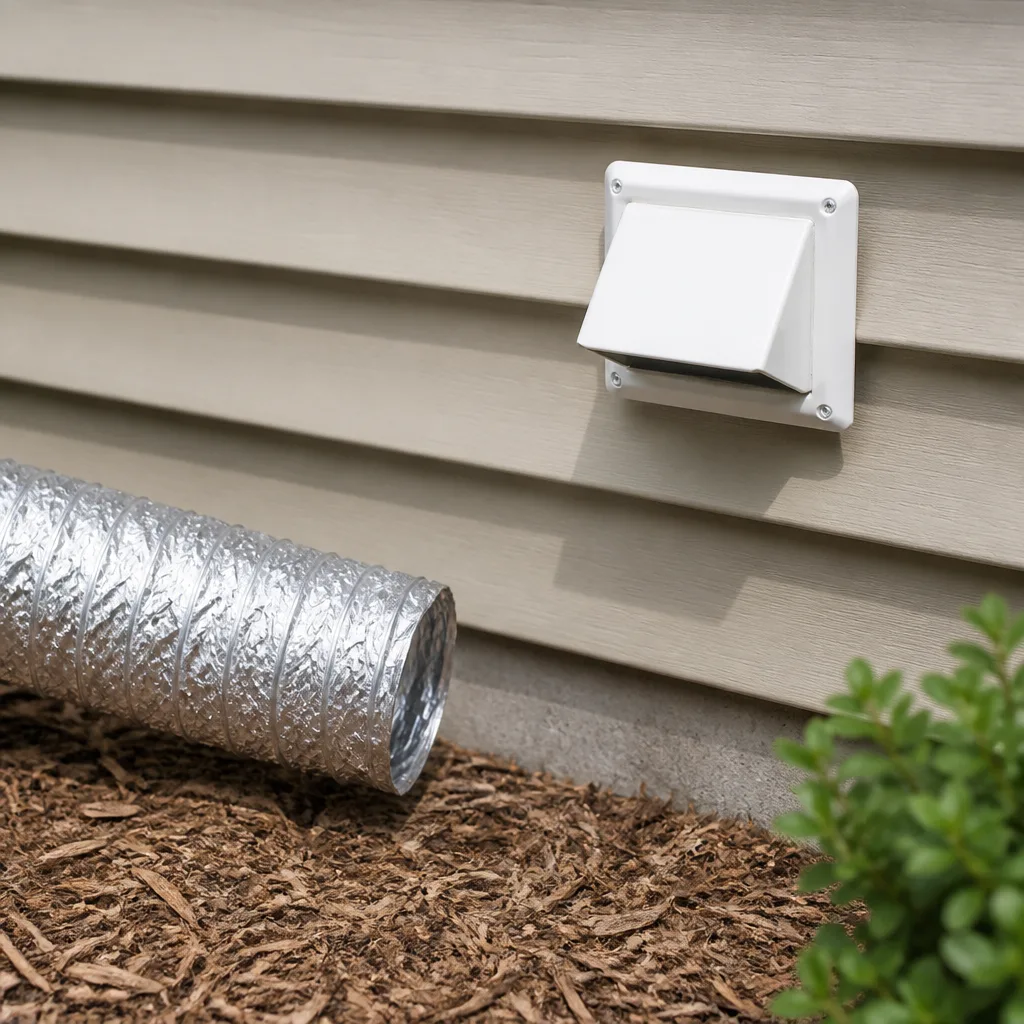 Dryer vent cleaning
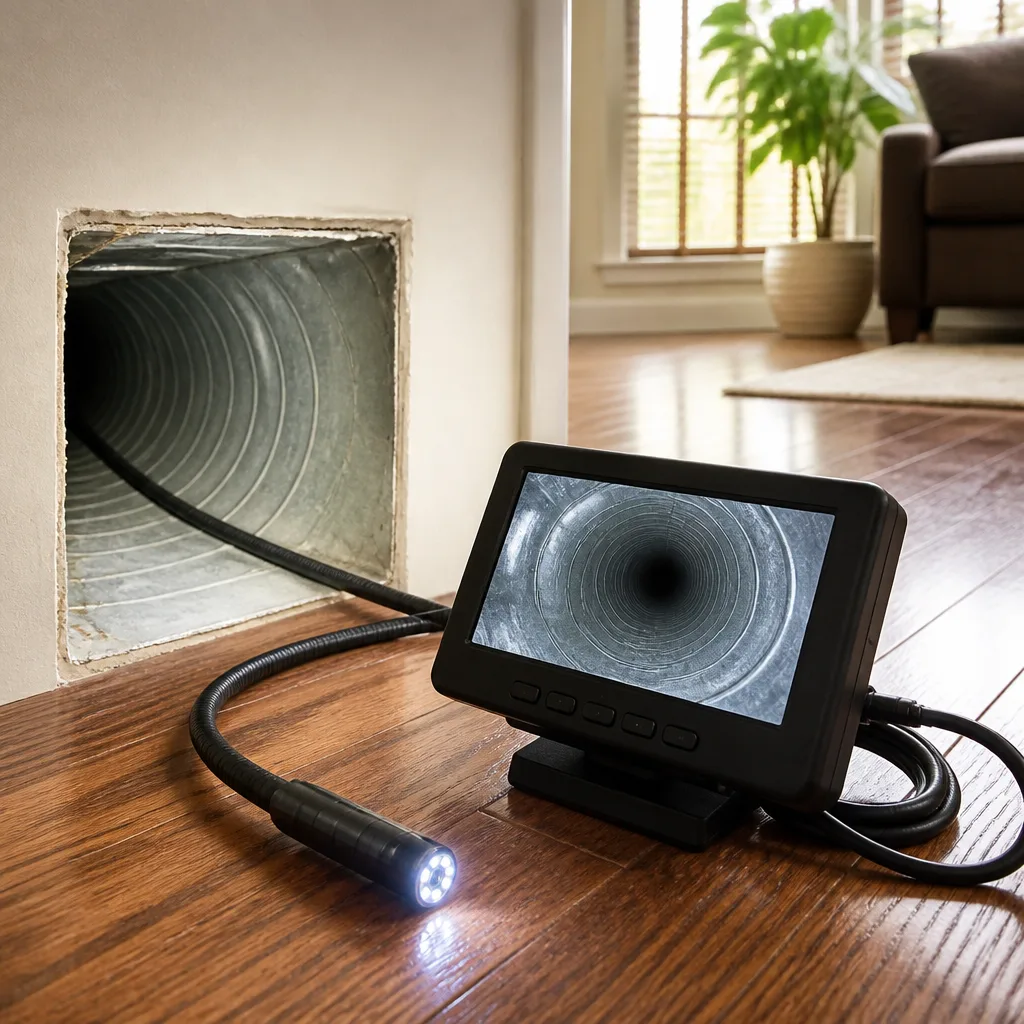 Camera inspection
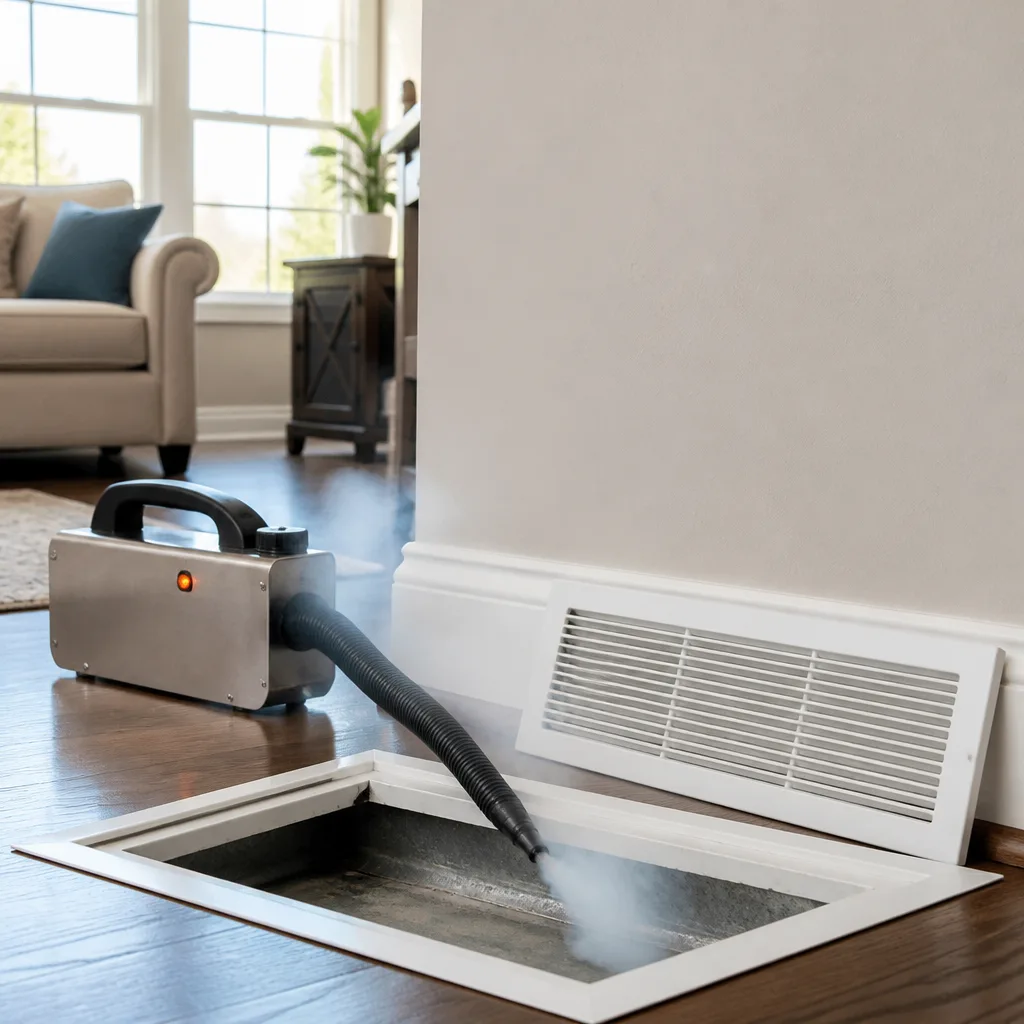 Sanitizing & deodorizing
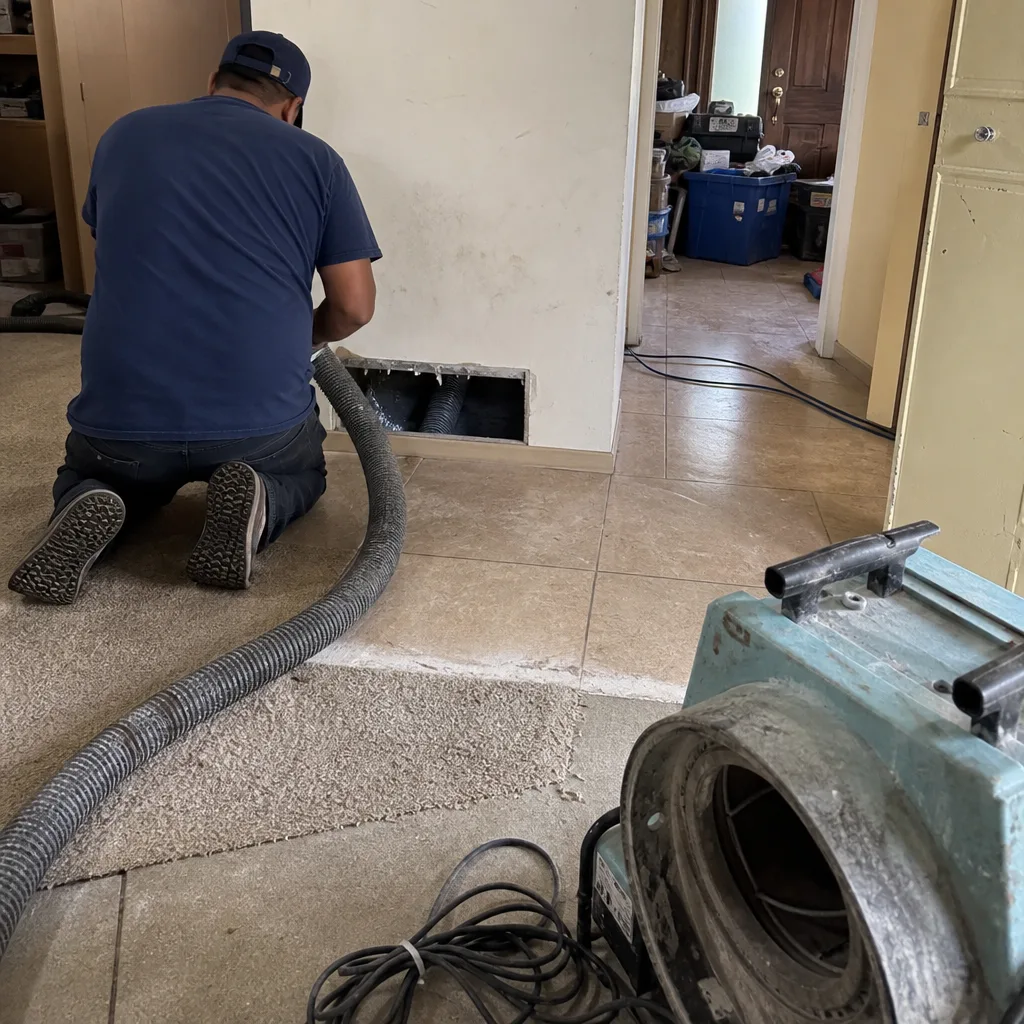
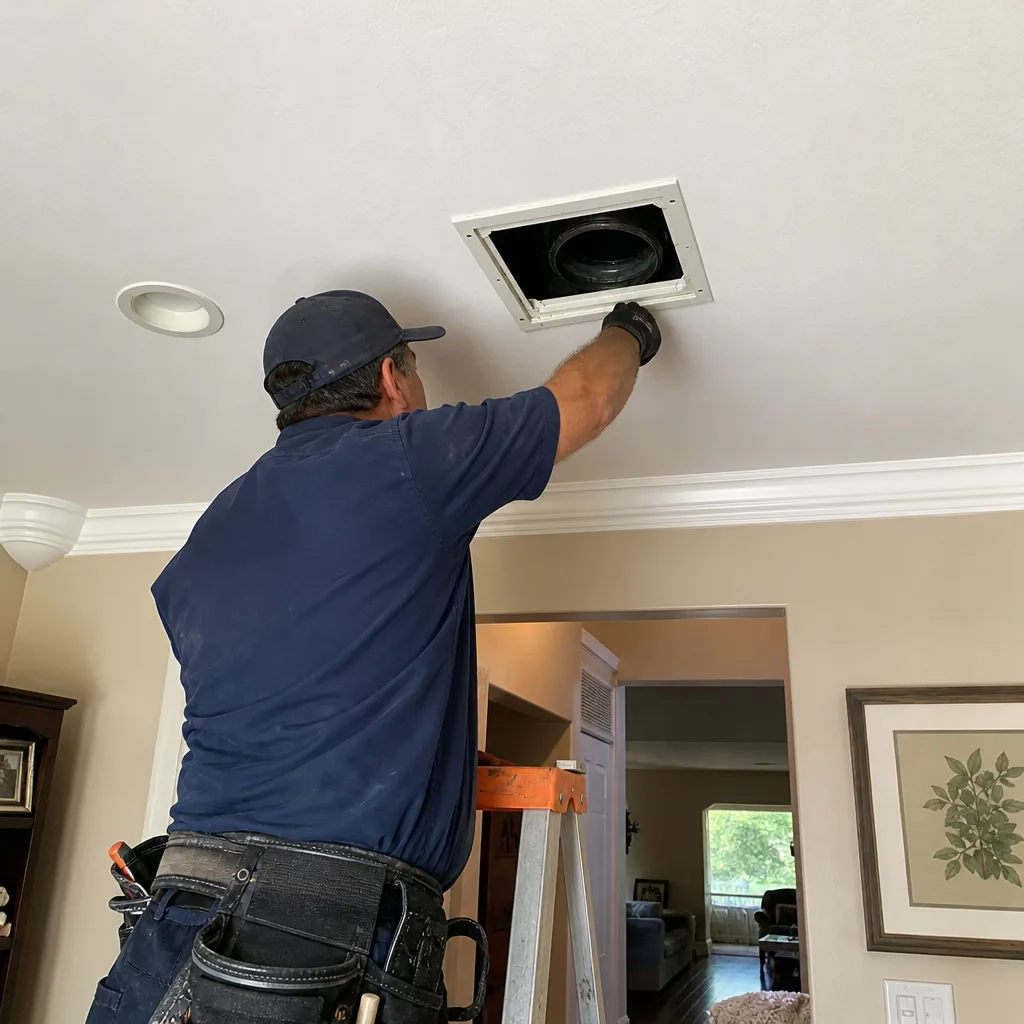
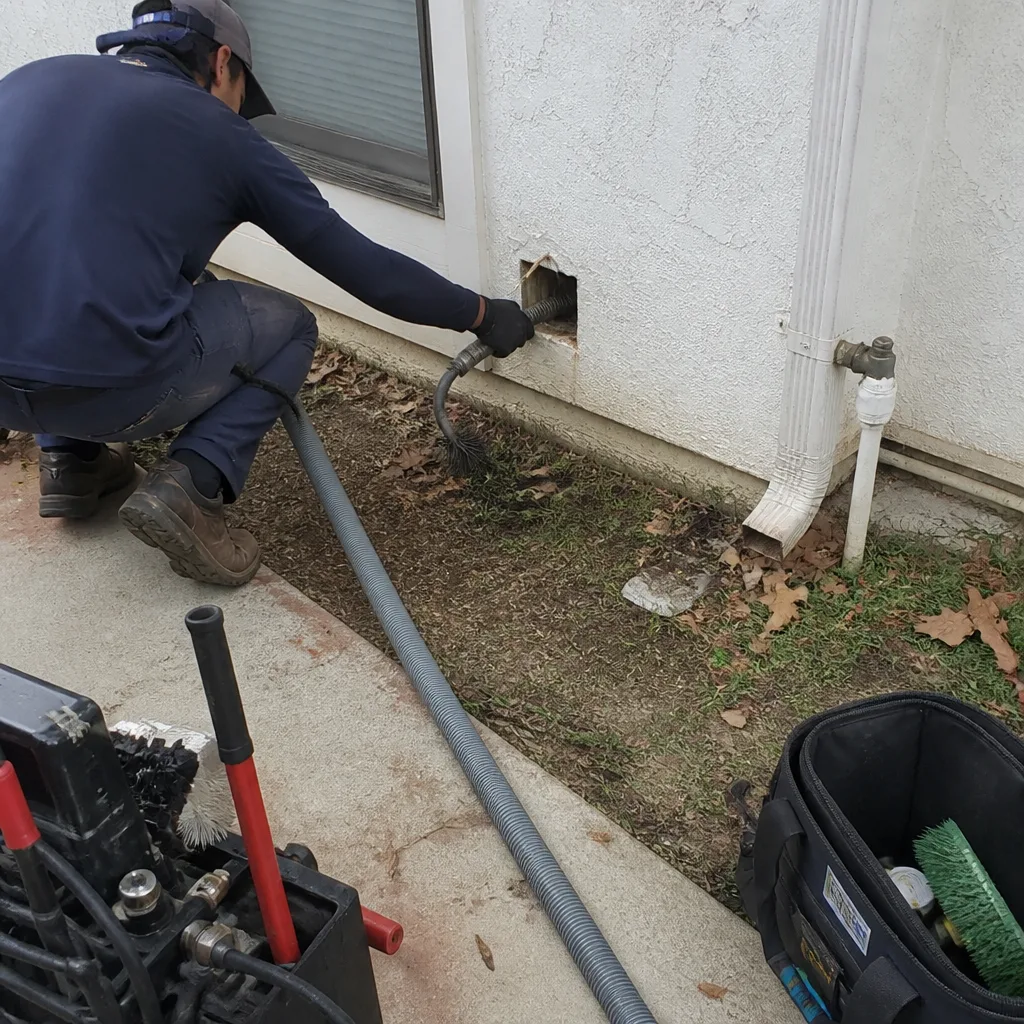
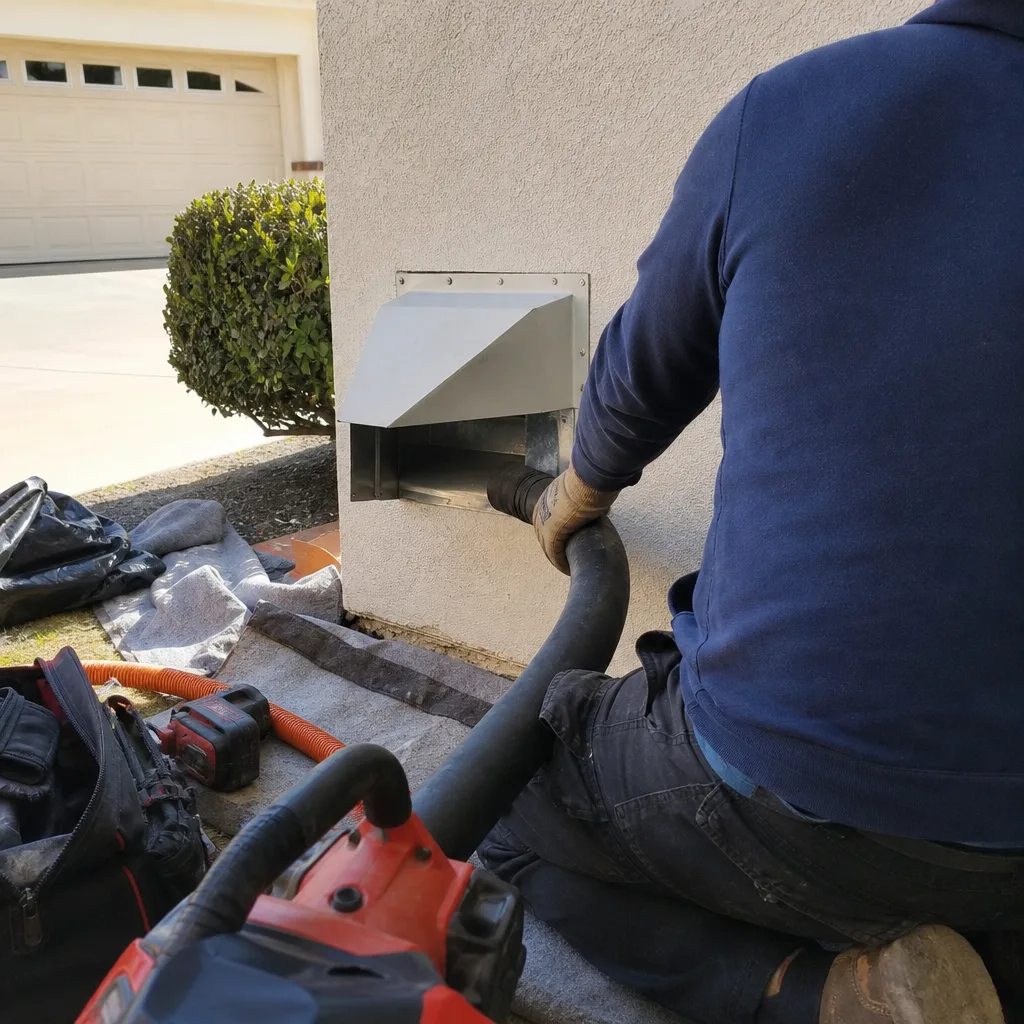
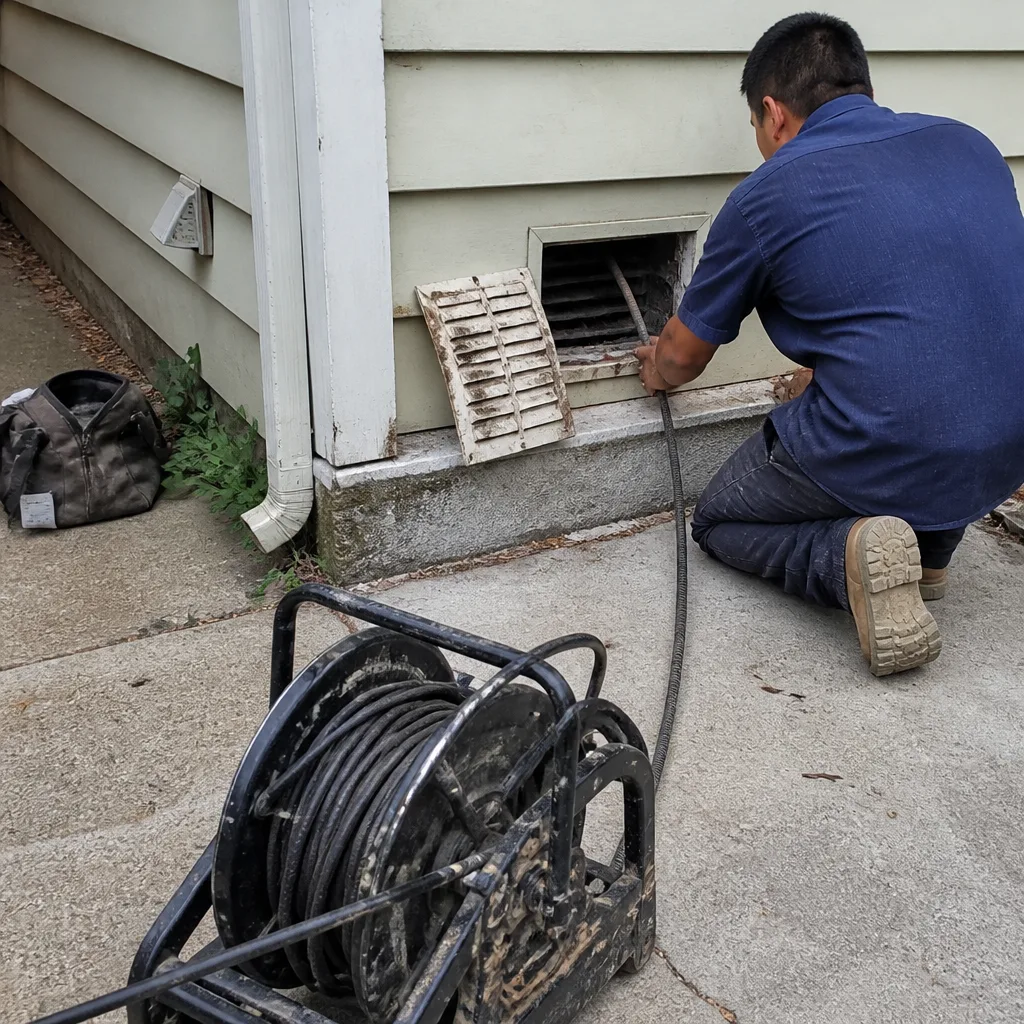
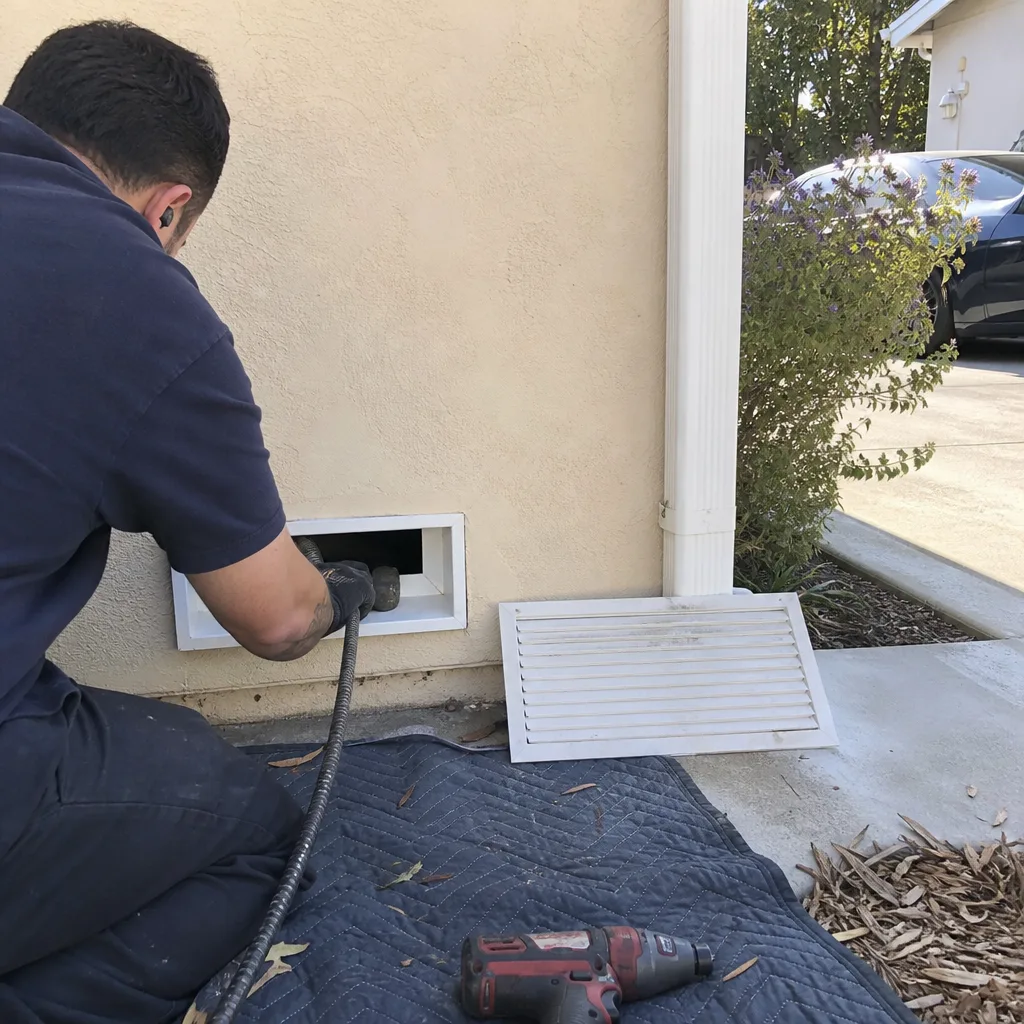
Whole-system duct and dryer vent check with before-and-after photos - you see exactly what came out of your vents
That "$99 whole-house special" is a bait ad - the real number appears once they are in your hallway, or the "clean" is a shop-vac at the register. We photograph the inside of your ducts before and after instead.
Seasonal Air Duct Cleaning Care for Ventura: Year-Round Homeowner’s Guide
Ventura doesn’t have a ‘pollen season’ the way the Midwest does. It has a fire smoke season, a marine layer mold season, and a dry Santa Ana season, each of which deposits different contaminants in your ductwork through different mechanisms. If you’ve been scheduling duct cleaning on an arbitrary annual date, you’re likely cleaning after the damage is done or before the real contamination arrives. This guide maps Ventura’s actual contamination calendar so you can time Air Duct Cleaning for maximum benefit. You’ll learn what each season puts into your ducts, how it gets there, what it does to your indoor air, and when a professional cleaning in Ventura actually pays for itself.
Styles & brands we work with
- Whole-home duct cleaning
- Dryer vent cleaning
- Camera inspection
- Sanitizing & deodorizing
Quick Answer
Ventura’s duct contamination follows a three-season pattern: late-summer-to-fall wildfire smoke residues, winter marine-layer humidity that encourages microbial growth, and fall Santa Ana winds that drive fine, electrostatically charged particulates deep into duct interiors. The highest-ROI timing for professional air duct cleaning in Ventura is late fall after the first Santa Ana events and the end of fire season, with a secondary window in early spring after winter humidity has peaked. Cleaning before these events means cleaning twice.
Table of Contents
- Ventura’s Contamination Calendar: The Three Seasons That Actually Matter
- Wildfire Smoke and Duct Systems: What Late Summer Through Fall Deposits
- The Marine Layer Problem: Winter Humidity and Biofilm in Coastal Ductwork
- Santa Ana Winds: Electrostatic Charging and Deep Particulate Penetration
- Spring Loading: Construction Dust, Landscaping, and Return Vent Proximity
- Timing a Professional Cleaning for Maximum ROI in Ventura
- What a Post-Contamination Inspection Should Cover
- Common Mistakes to Avoid
- When to Call a Professional
- Frequently Asked Questions
- The Bottom Line
Ventura’s Contamination Calendar: The Three Seasons That Actually Matter
Most duct cleaning advice online is written for places with four distinct seasons and a predictable pollen calendar. Ventura doesn’t work that way. Our coastal Mediterranean climate produces three distinct contamination events, each with a different mechanism, a different particulate profile, and a different effect on residential duct systems.
The fire smoke window (late July through October): Wildfire smoke from regional fires, including the Thomas Fire footprint and subsequent burns in the Los Padres National Forest, carries sub-2.5-micron particulates that HVAC systems draw in through fresh-air intakes and return vents. These particulates are small enough to pass through standard 1-inch fiberglass filters and deposit inside supply ducts, on blower fan blades, and on evaporator coils.
The marine layer window (November through March, peaking December-February): Ventura’s coastal zone, from Pierpont to the Avenue, sits under a marine layer for many winter mornings. Relative humidity in duct interiors, particularly in unconditioned attics and crawlspaces, can exceed 70% for weeks at a time. That moisture interacts with the organic dust already in the system, creating conditions where microbial films form on flex duct interiors. This is a distinctly coastal Ventura problem; homeowners five miles inland in East Ventura or Saticoy experience less of it, but the marine influence reaches surprisingly far up the river valley.
The Santa Ana window (September through November, with secondary events in spring): When high pressure builds over the Great Basin, dry air descends through the canyons and accelerates toward the coast. Relative humidity drops into the single digits. Fine dust from the Santa Clara River bed, agricultural fields, and unpaved lots gets airborne. The low humidity and high wind speed create conditions for electrostatic charging of particulate matter, and those charged particles stick to duct surfaces more aggressively than neutral dust.
Understanding this calendar is the foundation of smart scheduling. The rest of this guide and our more guides & resources explain each window in detail and how to time service so you’re not paying to clean ducts that will be recontaminated in three weeks.
Wildfire Smoke and Duct Systems: What Late Summer Through Fall Deposits
Wildfire smoke particulates are not like ordinary household dust. Household dust is mostly skin cells, textile fibers, and tracked-in soil; it’s relatively large, visible, and easy to capture. Smoke particulates from burning chaparral and timber are predominantly under 2.5 microns, which means they behave more like a gas than a solid in an airstream. They follow airflow around obstacles, they stay suspended for hours, and they penetrate deep into duct runs where larger particulates would settle out quickly.
In our experience working on air duct cleaning in Ventura after fire events, the pattern is consistent. The blower fan collects a fine black film. Supply ducts near the air handler accumulate a sooty residue that standard household vacuums cannot remove. Flex duct interiors show streaking where smoke particles impinged on damp sections of liner. Return ducts, especially those in hallways that draw from living areas where windows were intermittently opened during smoke events, show the heaviest deposition.
What makes smoke residue particularly problematic is its chemical complexity. Wildfire smoke contains not just carbon but also volatile organic compounds that condense onto surfaces as the airstream cools. Those compounds can off-gas for months, which is why a house can smell faintly of smoke long after the skies clear. Duct cleaning addresses the particulate load; whole-home filtration like an Aprilaire media cabinet or a Honeywell electronic air cleaner addresses the residual gas-phase and sub-micron fraction.
A post-fire-event inspection should examine the blower wheel, the evaporator coil, supply plenum, and at least the first several feet of the main supply trunk. If a homeowner sees black dust accumulating on supply registers within weeks after a smoke event, the system is redistributing captured smoke residue. That’s a sign the duct interiors need professional attention, not just a filter change.
The Marine Layer Problem: Winter Humidity and Biofilm in Coastal Ductwork
Ventura’s winter marine layer is more than a gloomy sky. It’s a persistent source of elevated indoor humidity, particularly in homes near the coast from the Ventura Harbor up through Midtown and along the hillside neighborhoods west of downtown. When outdoor humidity sits at 85-95% for hours each night, unconditioned attics and crawlspaces follow suit. Duct systems in those spaces become cool, damp chambers, and the thin layer of organic dust that accumulates on any duct interior becomes a substrate for microbial growth.
We’re not talking about the dramatic black mold that remediation contractors advertise. We’re talking about biofilm: a thin, sometimes barely visible layer of bacteria and fungi that forms on flex duct liners and sheet metal when moisture and organic matter co-exist. It produces the musty odor homeowners notice when the system first kicks on in the morning. It can irritate respiratory conditions. And it’s stubborn: once established, it persists even after humidity drops because the biofilm itself retains moisture.
Three factors determine whether a Ventura home is at risk:
- Proximity to the coast: Homes west of the 101 in Pierpont, Downtown, and the Westside see more marine layer hours than homes in East Ventura.
- Duct location: Ducts in unconditioned attics with poor ventilation are at highest risk. Ducts in conditioned spaces or well-ventilated attics fare better.
- System age and seal quality: Older flex ducts with deteriorated vapor barriers absorb humidity more readily. Leaky ducts pull humid air into the system from the attic.
The winter marine layer season is not the time to clean ducts if you can avoid it. Cleaning during peak humidity means reintroducing moisture into a system that’s already struggling to stay dry. The better approach is to monitor for musty odors and visible register staining through the winter, then schedule professional cleaning in early spring when the marine layer recedes and before the system transitions to cooling mode.
For homes with persistent winter humidity issues, we often recommend addressing filtration and air quality alongside cleaning. A whole-home dehumidifier integrated with the HVAC system, or upgraded filtration from Air Duct Cleaning Ventura home service partners like Honeywell or Aprilaire, can reduce the conditions that feed biofilm formation. The cleaning removes the existing contamination; the equipment change prevents recurrence.
Santa Ana Winds: Electrostatic Charging and Deep Particulate Penetration
Santa Ana wind events are the most underappreciated duct contamination mechanism in Ventura. Most people think of Santa Anas as a fire-weather problem, and they are. But they’re also a direct duct-loading event, even in years with no significant fires.
Here’s the physics. When air is very dry, as it is during a Santa Ana episode with relative humidity in the single digits, particulates don’t clump together and fall out of the airstream the way they do in humid air. They stay dispersed. Worse, the friction of wind over dry ground creates static charge separation, and the dust particles themselves carry a net electrostatic charge. When those charged particles enter an HVAC system through return ducts or fresh-air intakes, they’re attracted to duct surfaces, especially metal ducts and the metal components inside flex runs like connectors and dampers.
The result is that a single strong Santa Ana event can deposit more fine particulate matter in a duct system than three months of normal operation. The dust is also finer than typical household dust, which means it packs more tightly, resists removal by air movement alone, and requires physical agitation to remove. This is precisely why we use Rotobrush contact-cleaning systems rather than vacuum-only approaches. A vacuum alone cannot break the electrostatic and mechanical bond that Santa Ana dust forms with duct walls. The Rotobrush head physically agitates the duct surface while extraction runs simultaneously, removing the bonded particulate layer.
Santa Ana events typically peak between September and November, with a secondary window in late spring. Homeowners who schedule duct cleaning in August, before the first Santa Anas arrive, are essentially pre-cleaning a system that will be recontaminated within weeks. The smarter move is to schedule after the Santa Ana season has run its course in late November or December. If a major fire event coincides with the Santa Anas, the case for a post-season cleaning is even stronger.
Spring Loading: Construction Dust, Landscaping, and Return Vent Proximity
Spring in Ventura brings warm afternoons, open windows, and a significant increase in particulate loading from outdoor activity. Two sources dominate: construction dust and landscaping debris. Both enter the duct system through the same mechanism: the return vents that draw air from living spaces.
Construction has been a constant in Ventura for years, from residential remodels in Midtown to commercial projects along the 101 corridor. Drywall sanding, concrete cutting, and demolition all produce fine mineral dust that hangs in the air and drifts well beyond the property line. If a renovation is happening within a block or two and your windows are open, that dust is coming into your home. Once inside, the HVAC system’s return airflow pulls it through the filter and into the duct runs. Standard 1-inch filters capture some of it. The sub-10-micron fraction passes through and deposits in the ducts, on the coil, and on the blower.
Landscaping is the quieter contributor. Gas-powered blowers, ubiquitous in Ventura’s residential neighborhoods from Montalvo to the College area, aerosolize a fine mix of soil, pollen, and decomposed organic matter. When a blower operates near an open window or door, or near an exterior fresh-air intake, that aerosol cloud enters the home. Gardeners working with dry soil during spring’s low-humidity afternoons are effectively loading the return-air stream with fines that the system then distributes and partially deposits.
The practical advice for spring is about observability, not prevention. You can’t stop your neighbor’s remodel or your gardener’s blower. What you can do is pay attention to how fast dust accumulates on surfaces near return grilles. If a return vent shows visible dust caking within two to three weeks of cleaning, the duct system is likely accumulating the same material on its interior surfaces. That’s the signal to schedule a professional assessment rather than waiting for an arbitrary date on the calendar.
Timing a Professional Cleaning for Maximum ROI in Ventura
The core argument of this guide is simple: schedule duct cleaning to follow Ventura’s highest contamination events, not to precede them. Here’s the timing logic in concrete terms.
Best window: Late November through December. By late November, the bulk of fire season has passed, the first strong Santa Anas have typically occurred, and winter marine-layer humidity hasn’t yet peaked. This is the optimal time for a professional cleaning in Ventura. The system contains the fire smoke residue from the preceding months and the Santa Ana dust load, and you’re removing it before the winter humidity arrives to interact with it. If you clean in late November and the winter marine layer is mild, the system stays clean through spring.
Secondary window: March through early April. If you missed the fall window, or if winter produced persistent musty odors or visible microbial growth on registers, an early spring cleaning addresses the winter humidity’s effects before cooling season begins. This is especially relevant for coastal homes that experienced a heavy marine layer season.
Poor timing: August and September. Cleaning in late summer means paying to remove a year’s accumulated dust, then having the system immediately loaded with fire smoke and Santa Ana fines. You’ll see dust reaccumulate within weeks and wonder if the cleaning was ineffective. It wasn’t; the timing was wrong.
Poor timing: Peak marine layer months, December through February for coastal homes. If your ducts are in an unconditioned attic and the marine layer is active, cleaning introduces additional moisture and air movement into a system that’s trying to stay dry. It’s not catastrophic, but it’s suboptimal.
A practical recommendation for Ventura homeowners:
- Note the fire season activity each year. If significant regional smoke affected Ventura, a post-season cleaning is warranted regardless of the calendar.
- Note the Santa Ana events. Three or more strong events in a season means the duct system has taken a meaningful particulate load.
- Note winter musty odors. If the system smells musty when it first runs in the morning, biofilm formation is likely and a spring cleaning is indicated.
- Clean on evidence, not on a calendar. The best indicator is what you can observe: register accumulation rates, odor, and known contamination events.
What a Post-Contamination Inspection Should Cover
Whether you schedule professional duct cleaning or assess the system yourself first, knowing what a meaningful inspection looks like protects you from paying for a superficial service. Here’s what a post-fire-season or post-Santa-Ana inspection in a Ventura home should examine.
Supply register interiors: Remove a supply register and inspect the inside of the boot and the first few inches of the duct run. Use a clean white cloth or white glove. Black sooty residue indicates smoke deposition. Fine gray-brown powder indicates Santa Ana dust. Either finding supports scheduling professional cleaning.
Return duct interior near the filter: The return side of the system sees the highest particulate flow and typically shows the most accumulation. Inspect the return boot and the plenum wall just downstream of the filter slot. If the filter is doing its job, the plenum wall should be relatively clean. If it’s coated with dust, the filter has been bypassing or is undersized for the system’s airflow.
Blower fan blades: This requires opening the air handler cabinet, which most homeowners shouldn’t attempt themselves. A professional inspection will examine the blower wheel for dust coating. A heavy, uneven coating on the blower wheel reduces airflow, increases energy consumption, and unbalances the fan over time.
Evaporator coil, if accessible: The coil sits in the airstream year-round and acts as a particle trap, especially when the system runs in cooling mode and the coil is wet. Coil fouling reduces system efficiency more than any other single factor. If you’re having the ducts cleaned, the coil should be inspected and cleaned as part of the same service.
For homeowners who want verification after a cleaning, ask the technician to provide before-and-after photos of representative duct sections. A professional using dryer vent cleaning in Ventura grade equipment, like the Rotobrush system with its integrated camera option, can document the duct interior during service. If a company refuses to show you the inside of your ducts before and after, that’s a red flag.
Common Mistakes to Avoid
- Cleaning on an arbitrary annual date. A duct cleaning in August is wiped out by fire season and Santa Anas. A cleaning in December that follows the fall contamination events delivers months of clean-air benefit. Base scheduling on Ventura’s contamination calendar, not a sticky note on the fridge.
- Trusting standard 1-inch fiberglass filters during smoke events. Standard filters are designed to protect the equipment, not your respiratory system or your duct interiors. During wildfire smoke conditions, a MERV 13 or higher filter, if the system can handle the pressure drop, is a meaningful upgrade. Whole-home media filtration from Aprilaire or Honeywell offers better particulate capture without choking airflow.
- Ignoring musty odors in winter because “it’s just the marine layer.” Musty odor from supply registers is a symptom of microbial activity in the duct system, not a harmless coastal quirk. It warrants investigation, especially in Pierpont, Downtown, and other beach-adjacent neighborhoods.
- Assuming a new build or recent remodel means clean ducts. New construction and renovation load duct systems with drywall dust, sawdust, and construction debris. Builders in Ventura are not required to clean duct systems before occupancy. If your home is newer or recently renovated, have the ducts inspected.
- Choosing a duct cleaner based on price alone. The difference between a vacuum-only service and a Rotobrush contact-cleaning service is not cosmetic. Vacuum-only approaches do not remove bonded particulate layers from Santa Ana dust or smoke residue. You’ll pay twice: once for the cheap cleaning, then again for a real one.
- Neglecting dryer vent cleaning while scheduling duct cleaning. Lint accumulation is a fire hazard, and dryer vents are part of the same exhaust system philosophy as your HVAC ducts. If a crew is already at the house for duct work, having the dryer vent cleaned at the same time is logical and efficient.
When to Call a Professional
Some situations call for professional attention regardless of the season. If you’ve experienced a significant wildfire smoke event in Ventura and your home was exposed, schedule a post-event duct inspection. If your registers are accumulating dust within two to three weeks of cleaning, the system has an internal particulate reservoir that needs professional removal. If you notice musty odors from the supply registers that persist beyond the first few seconds of operation, especially during the marine layer months, biofilm is likely present and requires professional mitigation. If any family member has experienced unexplained respiratory irritation that improves when away from home, the duct system is a reasonable suspect. Finally, if your dryer takes longer than one cycle to dry clothes, the vent line needs attention, and that’s a fire-safety issue, not a convenience issue. Air Duct Cleaning Ventura offers free estimates in Ventura and Ventura County. Call (855) 507-7508 to schedule an assessment.
Frequently Asked Questions
Duct cleaning costs in Ventura vary based on system size, number of returns, and contamination severity. Homes with heavy smoke residue or Santa Ana dust loading typically require more contact time than lightly contaminated systems. We provide a fixed quote after inspecting the system, not a teaser price that gets inflated after work begins. Call (855) 507-7508 for a free estimate.
There’s no universal answer. A Ventura home with no smokers, no pets, a well-sealed building envelope, and MERV 13 filtration may go three to five years between cleanings. A coastal home with marine-layer humidity issues, or a home that experienced a major fire smoke event, may warrant cleaning after a single season. We recommend cleaning on evidence: visible register accumulation, odor, or known contamination events, not on a calendar.
The difference is almost always equipment and time. Vacuum-only services can complete a job in under an hour and charge accordingly. They do not remove bonded particulate layers from duct walls. Contact-cleaning systems like the Rotobrush equipment we use physically agitate duct surfaces while extracting simultaneously, which takes longer but removes material that vacuums alone cannot. If a quote seems too low, ask what equipment they use and whether they can show you the duct interior before and after.
Ask for before-and-after photos of duct interiors. Professional equipment like the Rotobrush system supports camera inspection during service, and a legitimate company in Ventura will document the work. If a company refuses to show you the inside of your ducts or offers only “it’s done” as evidence, look elsewhere.
Smoke particulates rest on duct surfaces and can off-gas compounds for months, but they don’t structurally damage the ducts themselves. What they do is reduce indoor air quality every time the system runs by re-entraining the residue. Professional cleaning removes the particulate load. In severe cases, porous flex duct liners may retain enough smoke compounds to warrant replacement rather than cleaning. An inspection determines the right approach.
It’s the real thing. The NFPA identifies dryer vent lint accumulation as one of the leading causes of residential dryer fires. Lint is highly flammable, and when airflow through the vent is restricted, the dryer runs hotter and the risk rises. Air duct repair in Ventura and dryer vent cleaning are complementary services: both restore proper airflow and reduce household risk. If your dryer takes more than one full cycle to dry a standard load, have the vent line inspected.
Yes. We handle air duct repair alongside cleaning, which means a single provider can address tears in flex duct, separated connections, crushed sections, and other defects discovered during a cleaning service. Many duct cleaning companies will point out damage and leave you to find a separate contractor. We handle the full Air Duct Cleaning Ventura home system scope internally.
The Bottom Line
Ventura’s seasonal contamination pattern is different from the rest of the country, and your duct maintenance schedule should reflect that. Fire smoke season deposits sub-micron particulates deep in the system. Santa Anas bond fine dust to duct walls through electrostatic charging. The marine layer creates conditions for microbial films in coastal homes. Spring brings construction and landscaping fines through the return vents. The smartest move is to schedule professional cleaning in late fall, after the contamination events have run their course, and to inspect on evidence rather than defaulting to an arbitrary annual date – see our Air Duct Cleaning Emergency Preparedness Guide for Ventura Homes for additional planning guidance. Clean ducts verified by before-and-after documentation, combined with proper filtration, deliver the indoor air quality that Ventura homeowners deserve.
Written by the team at Air Duct Cleaning Ventura, serving Ventura since 2017.
See the difference
 Before
 After
 Before
 After
 Before
 After